1906 in Russia Was, Frankly, a Bad Year
1906 in Russia was, frankly, a bad year. Especially for self-presentation abroad. In January the first attempt at revolution was bleeding out. The country had not yet recovered from Bloody Sunday, the mutiny on the Potemkin, the December fighting on the Presnya, the dreadful Treaty of Portsmouth and the defeat by Japan, together with two fleets and Port Arthur. In April the First State Duma opened in the Tauride Palace; in July it was dissolved.
And while the deputies in Vyborg were drafting their famous manifesto, the first World's Fair in the history of Italy opened in Milan's Parco Sempione. The theme was transport, since the event had been timed to coincide with the opening of the longest railway tunnel beneath the Alps. Russia was among the forty participating countries.
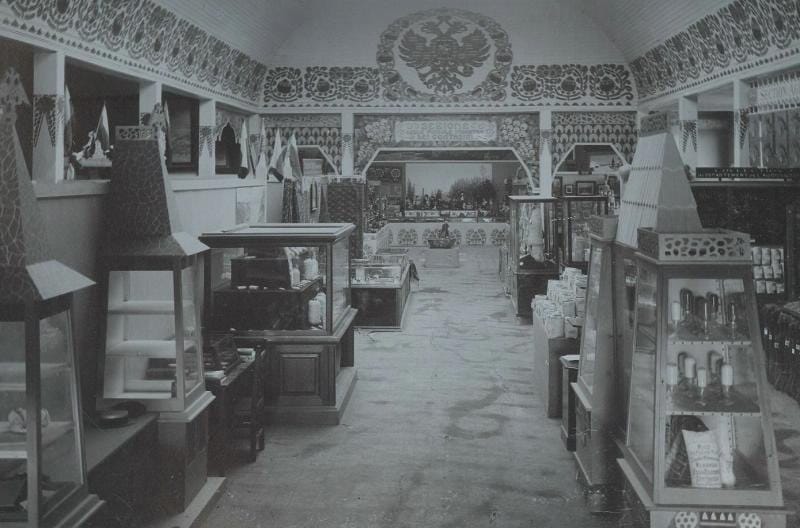
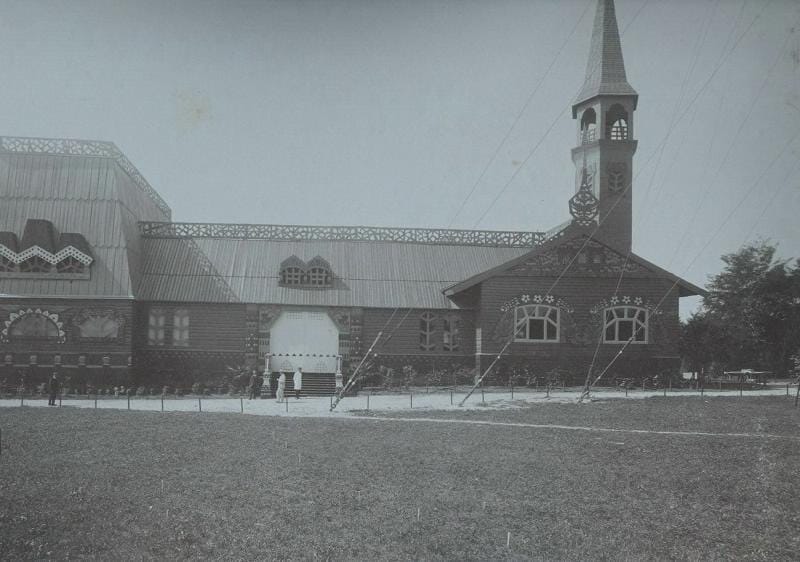
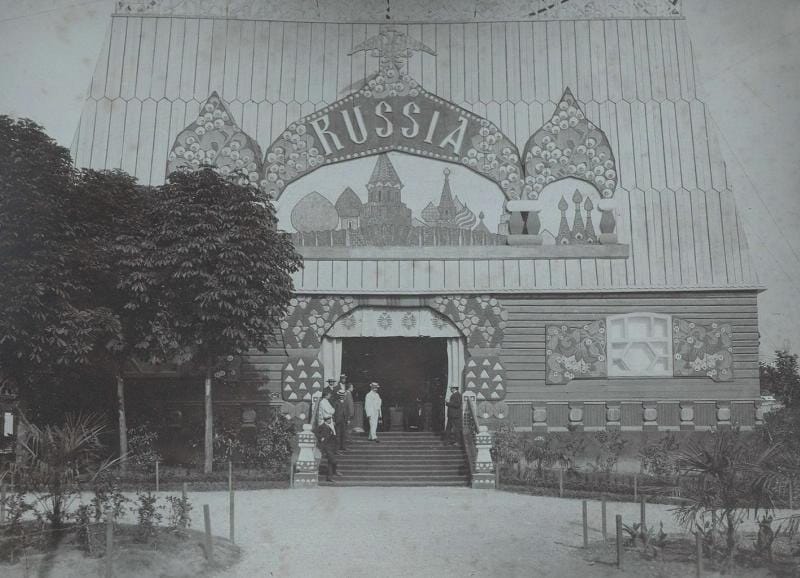
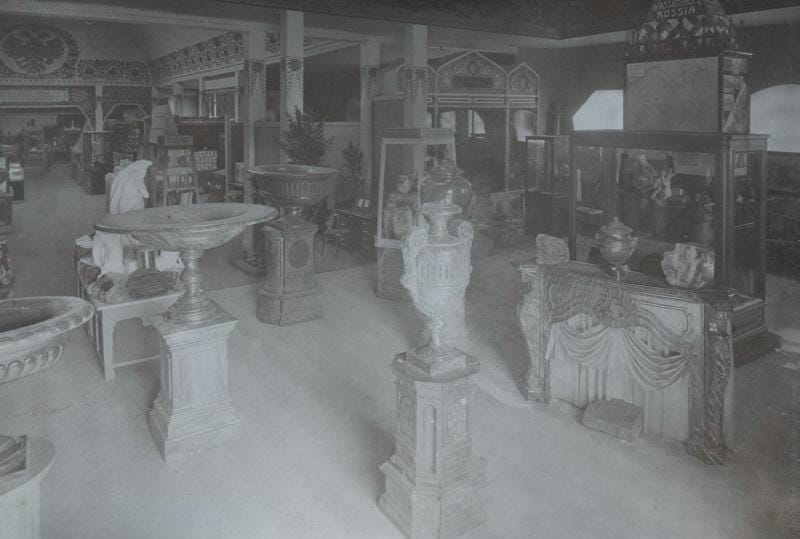
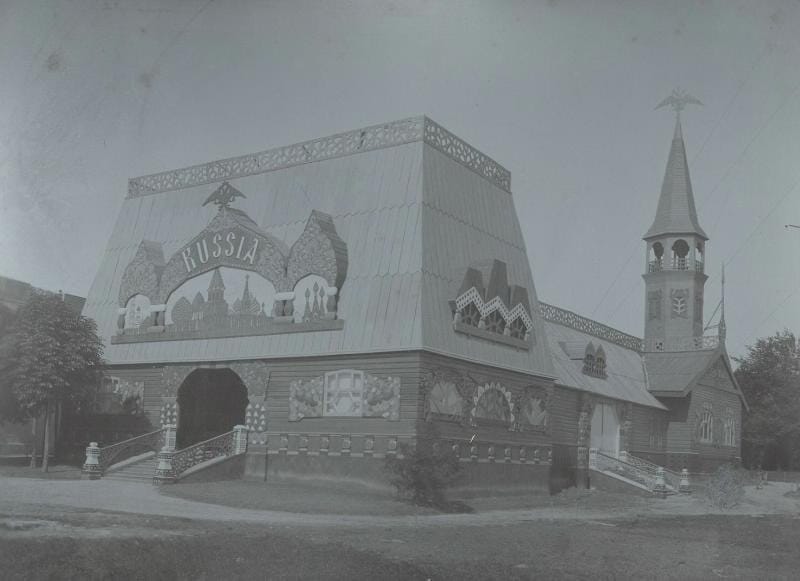
The Russian pavilion was built in the customary genre: wooden towers and turrets in the spirit of medieval Muscovite architecture. The author was the artist Durnovo. A sort of architectural souvenir, a pastila box in the wooden style. The very same aesthetic had already been tried and tested in Paris in 1867, in Vienna in 1873 and in Paris again in 1900.
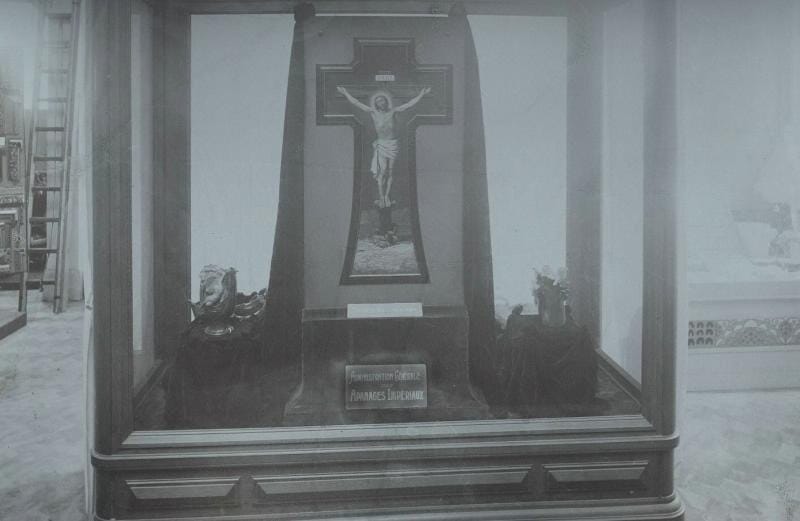
And what was to be shown in Italy? Not marble columns, surely. Kokoshniks would do the job better in any case. One of the chief exhibits was a sizeable collection of porcelain from the Imperial Factories, presented in person by Nicholas II. Why not send the tsar's dinner services to Milan while parliament was being dissolved at home?
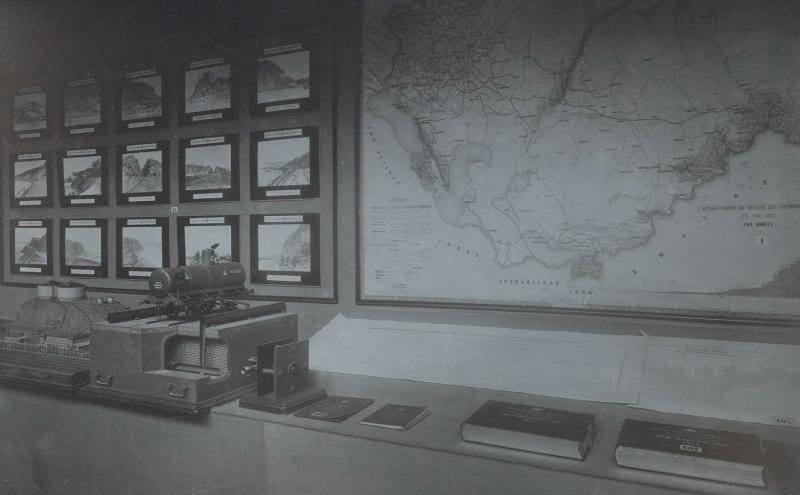
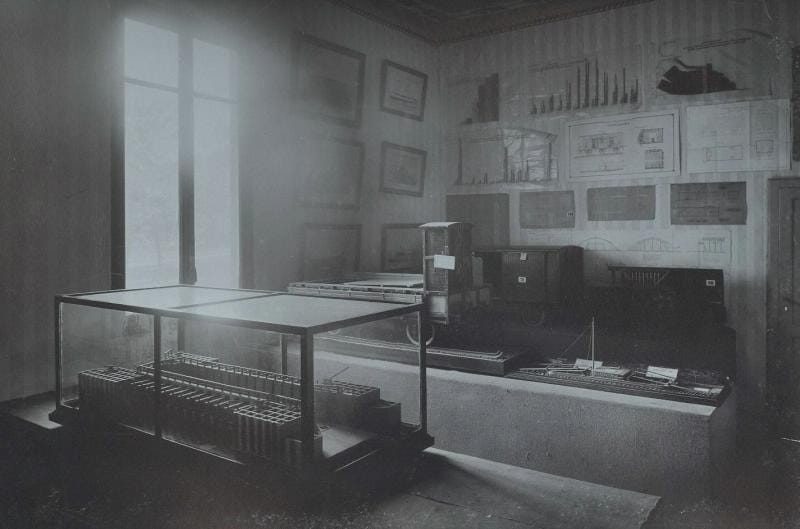
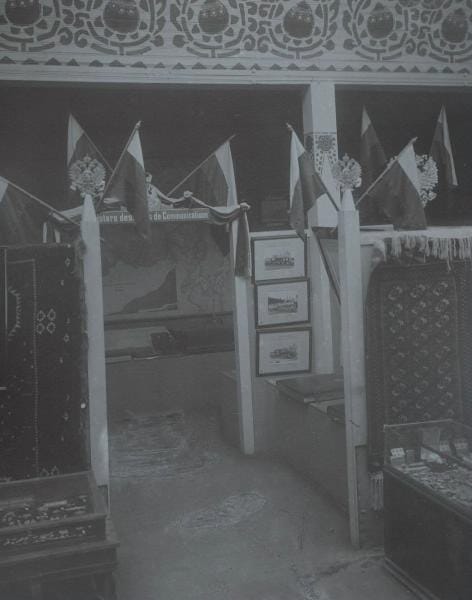
But the transport theme could not be avoided. In 1900 the Trans-Siberian Railway had already been shown in Paris. For the Paris exhibition the artist Pavel Piasetsky painted a moving panorama of Russia hundreds of metres long. Visitors boarded genuine railway carriages and saw, from the windows, magnificent paintings of Siberian landscapes as they journeyed on to the Chinese section. It was a truly astonishing spectacle and won a gold medal. To Milan they brought new carriages, a map of the line with its key points illuminated, relief models of the bridges and the crossings of Lake Baikal, stereoscopic photographs, printed albums in four languages and other such loveliness, already tried out at other international exhibitions, as the country's chief trump card, proof of one of the key achievements of humankind in its day.
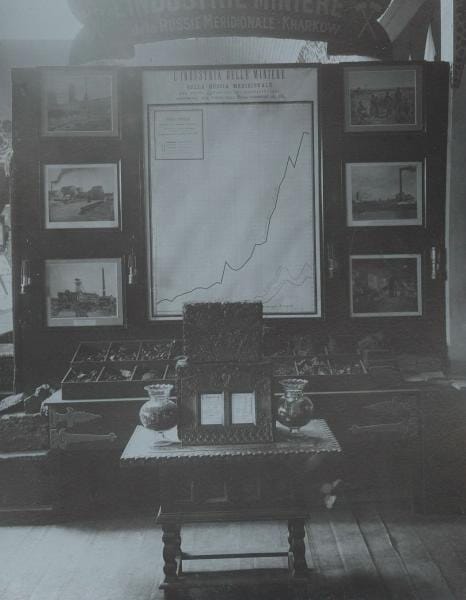
True, the Trans-Siberian had not distinguished itself in moving troops to the Pacific, but now there was an occasion to show Europe that the line had been completed throughout and was being modernised. All this was supplemented with crafts, porcelain, handicrafts, a little religious art, a little extractive industry and other cute things.