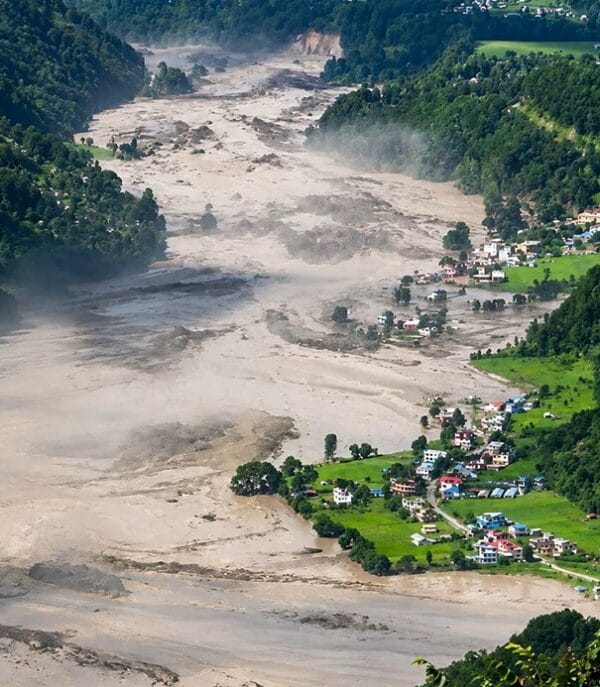
You know, when they started digging up all of Kolomenskoye in 2024 under the reserve's "improvement" programme, I made a private wager: would they, I wondered, tackle the matters that genuinely call for intervention?
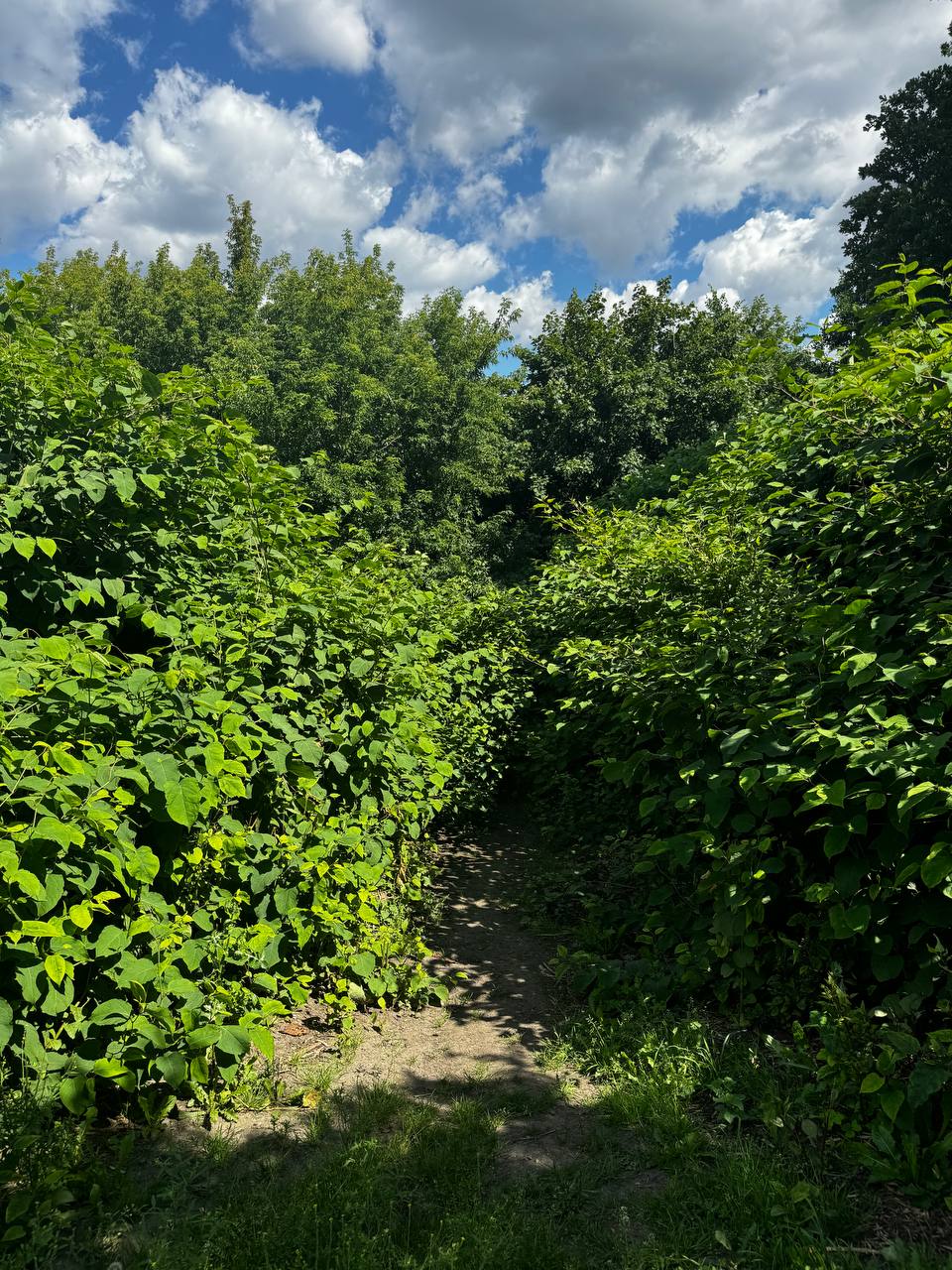
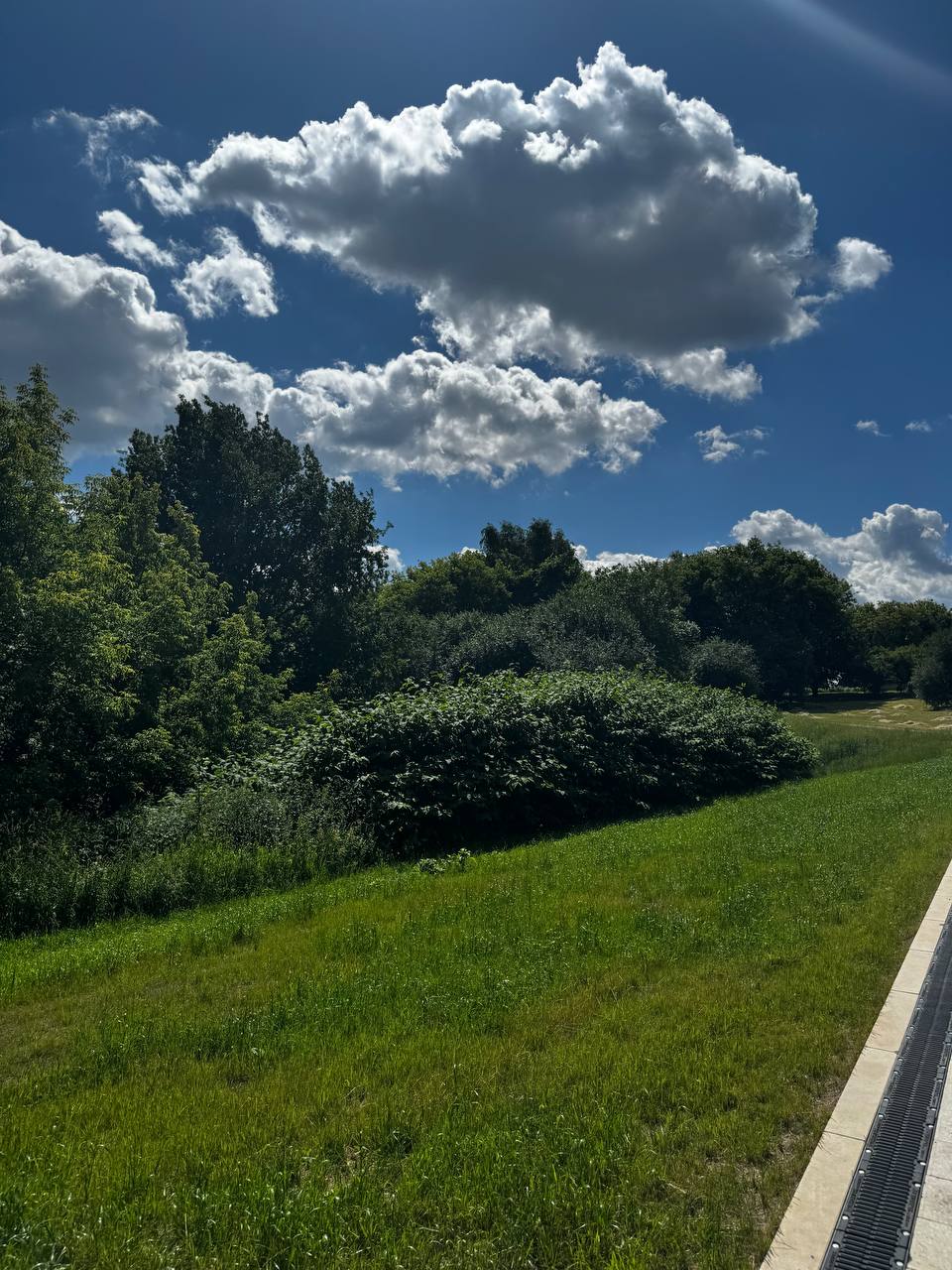
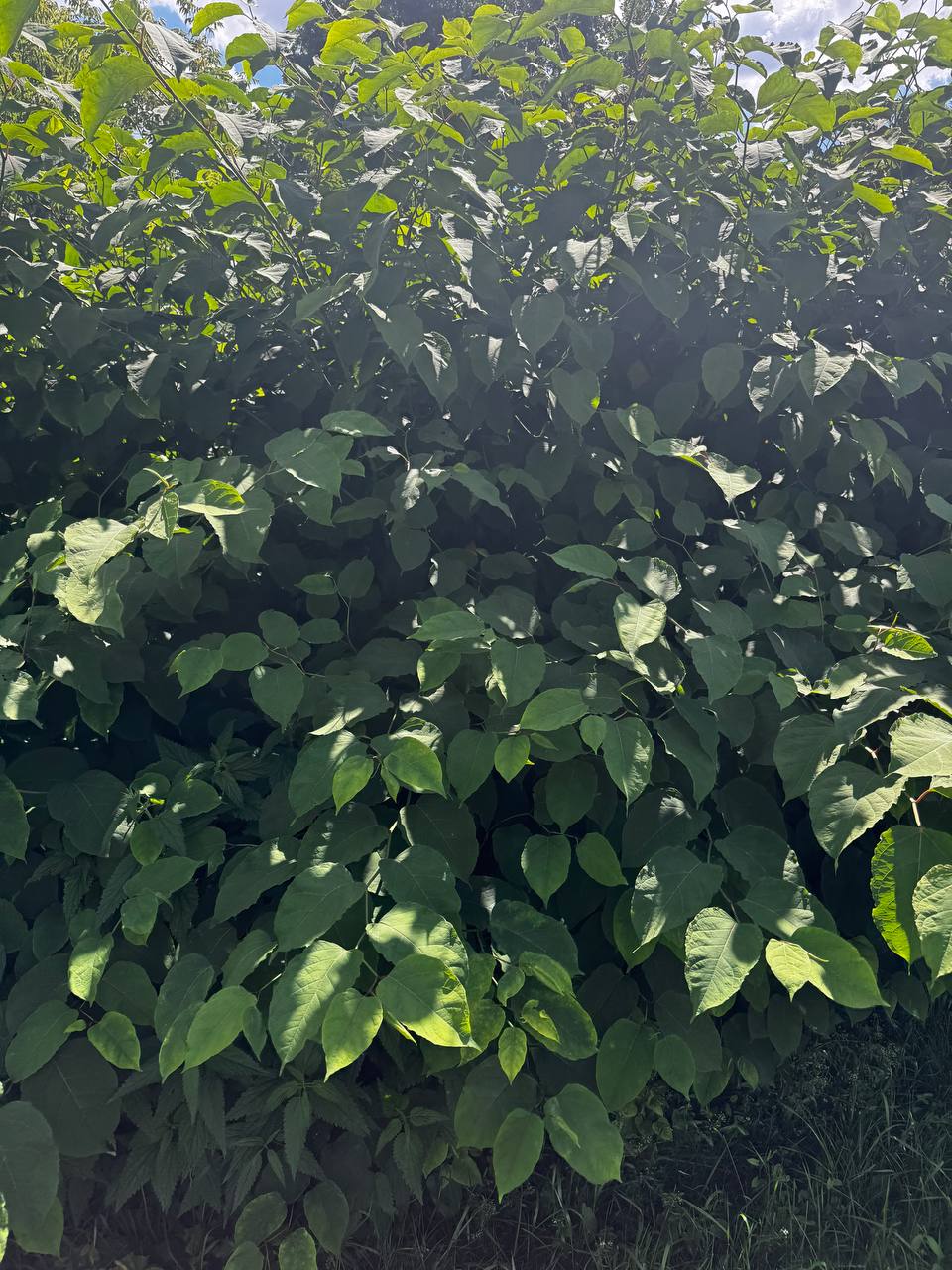
You know, when they started digging up all of Kolomenskoye in 2024 under the reserve's "improvement" programme, I made a private wager: would they, I wondered, tackle the matters that genuinely call for intervention? The destruction, for instance, of the thickets of an invasive species, Sakhalin knotweed (Reynoutria sachalinensis), which is rapidly seizing the protected land of Golosov Ravine. And yesterday I went to see for myself that nothing whatever has been done about the knotweed: it has been spreading for thirty years, and spread it does.
I cannot describe this situation other than as a bureaucratic and ecological impasse, in stark contrast to the lavish funding of Moscow's parks.
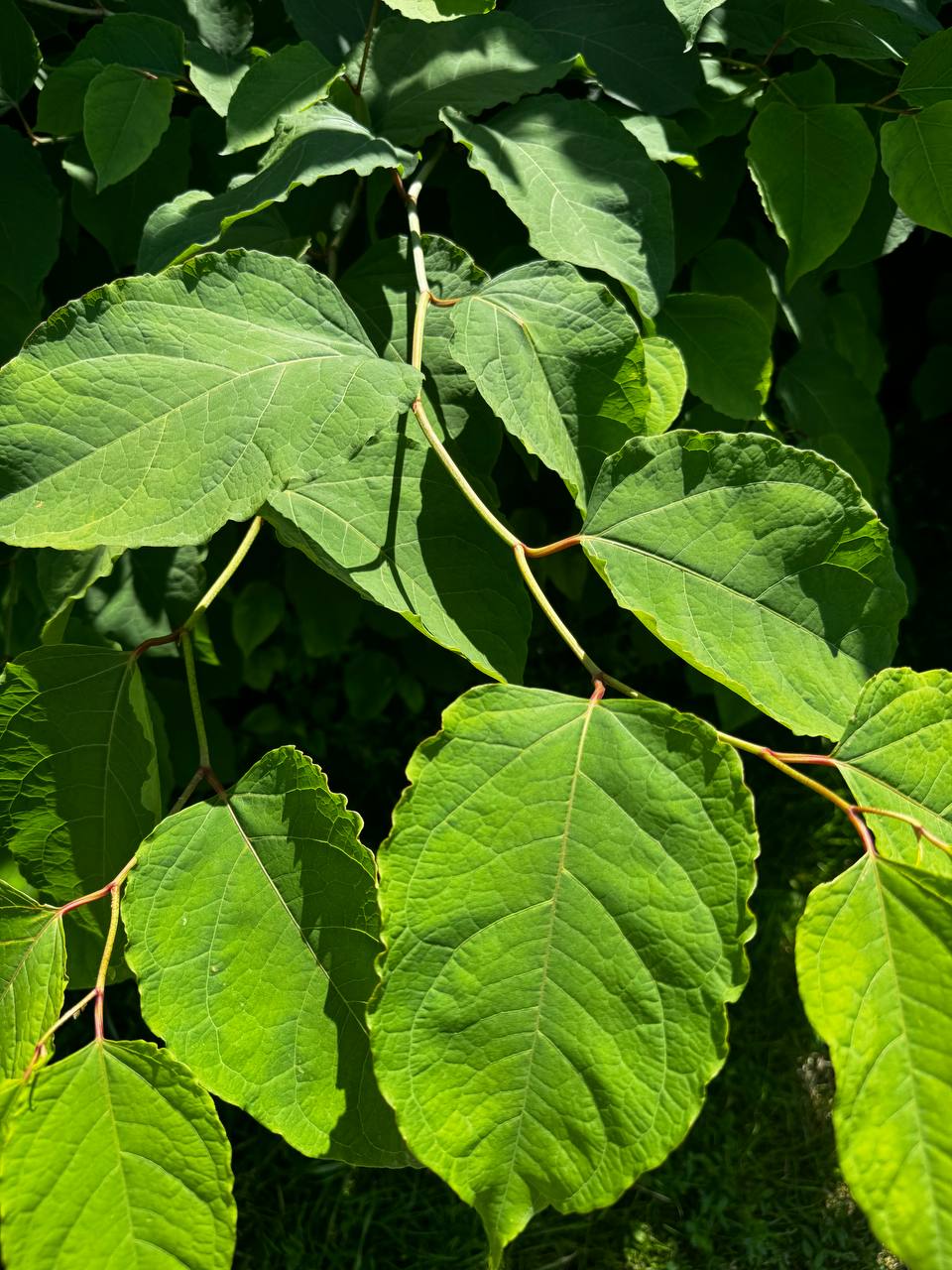
This aggressive Far Eastern weed is officially listed in the "Black Book of the Flora of Central Russia". The plant reaches four metres in height, with enormous heart-shaped leaves up to forty centimetres long, a formidable root system reaching three metres down, and vigorously growing hollow stems.
In Kolomenskoye the knotweed has already overrun a vast part of the protected ravine, and adds to its area with every year that passes.
The main problem is that effective chemical treatment of the thickets with herbicides is strictly forbidden here because of the territory's highest protected status. Golosov Ravine is a natural monument of regional significance, a specially protected natural area and a water protection zone, through which the never-freezing Kolomenskoye stream flows and where the Savvin springs rise.
Ordinary mowing, which is all the park administration is able to apply, proves useless, since it merely stimulates the invader's underground growth, while the steep slopes of the ravine rule out the use of heavy machinery for uprooting.
The species' expansion began in the 1980s, when residents of the local villages of Dyakovskoye and Kolomenskoye planted knotweed in their kitchen gardens for decoration and as cattle fodder. After the villages were cleared at the turn of the 1990s, the plant escaped into the ravine, where the abundance of springs and the microclimate created ideal conditions for its spread. As of today, the approximate area of the solid mass of knotweed on the ravine's left slope, between the Savvin springs and the former Ascension Garden, runs to thousands of square metres.
The situation is being actively criticised by biologists and eco-activists, who are sounding the alarm over the complete displacement and death of native grasses and flowers. The paradox lies in the glaring contrast with the mega-reconstruction of Kolomenskoye, under which promenades, an amphitheatre and a two-kilometre ice rink are going up on the embankment. The park steadily ranks among the three best-funded recreation areas in Moscow, yet the colossal sums spent on outward embellishment nonetheless do nothing to resolve an acute ecological problem in the very heart of the reserve.
And, incidentally, the paving has not merely been relaid over the past two years of reconstruction of the museum-reserve's grounds: it is already being replaced all over again! Bliss!