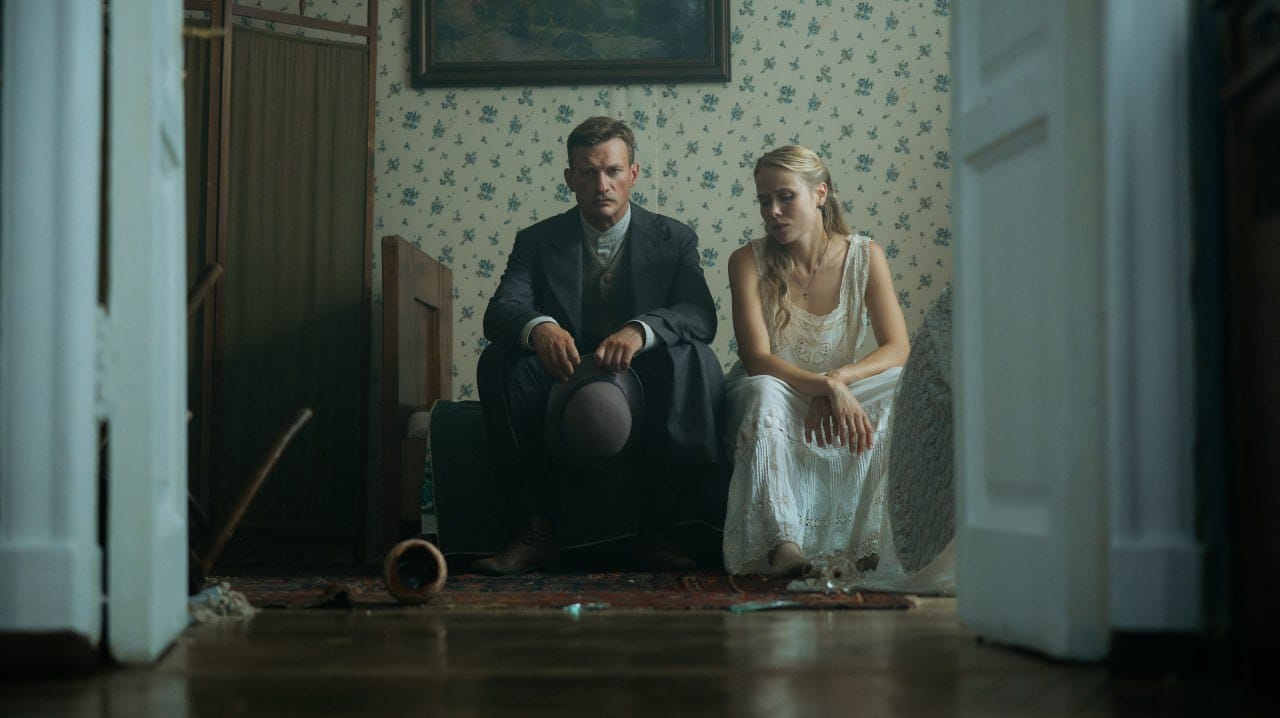
Ever wondered where our crime films get all this taste for a grey, oppressive palette?
Ever wondered where our crime films get all this taste for a grey, oppressive palette? No, Dostoevsky, with his gloomily coloured texts, is not the chief culprit here. It is chiefly the influence of the textbook templates of the English detective story, tied precisely to the Victorian era, which has tinted films from Sherlock Holmes and Agatha Christie right up to the present day in the colours of John Everett Millais and J. M. W. Turner: the palette of rainy London, the mournful tones of Queen Victoria's reign, and the perpetual atmosphere of rain, slush and slums.
But the colours of Russia are nothing like that. Ours are green, gold, white and blue: precisely what we have most of, the boundless expanses of meadow, field and forest, and the canvas of the heavens.
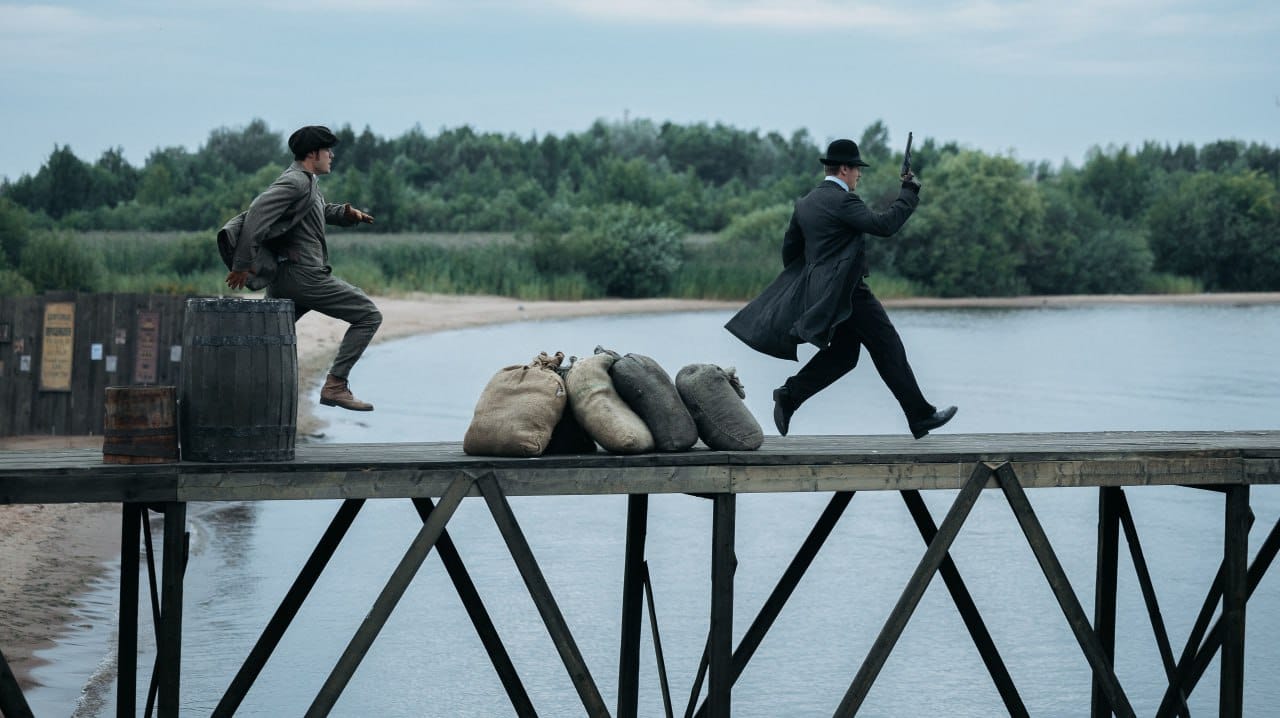
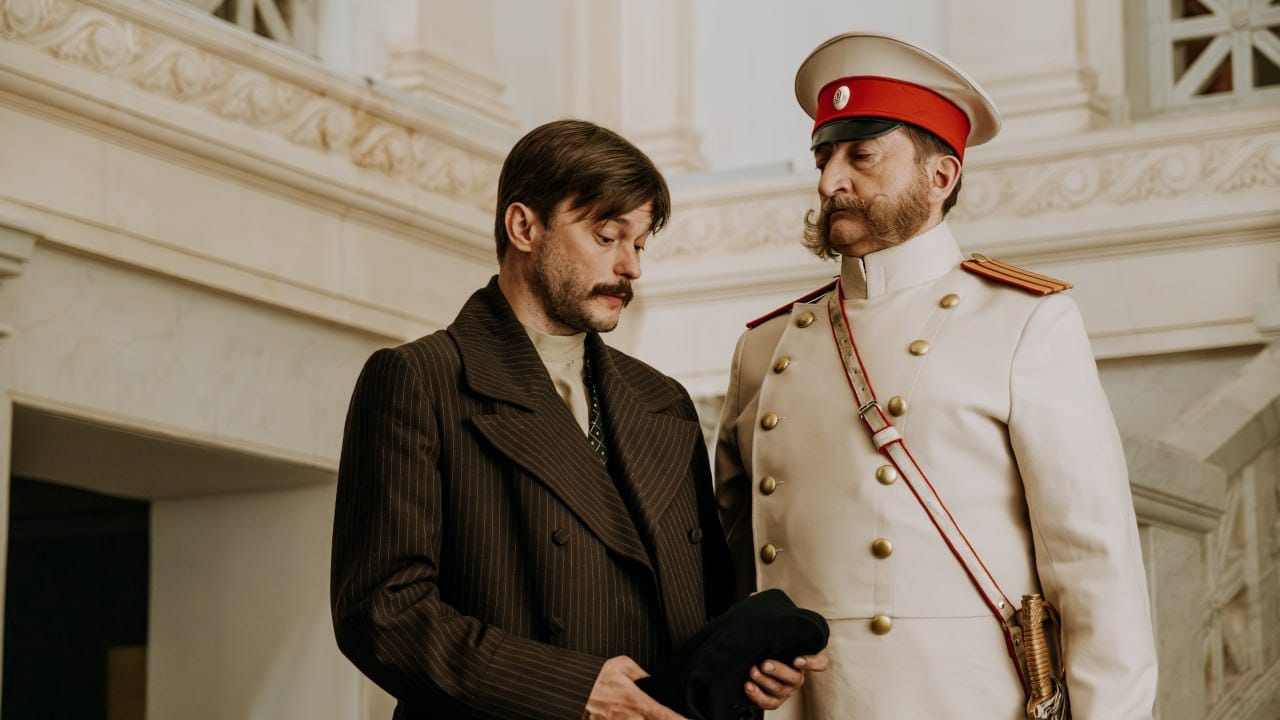
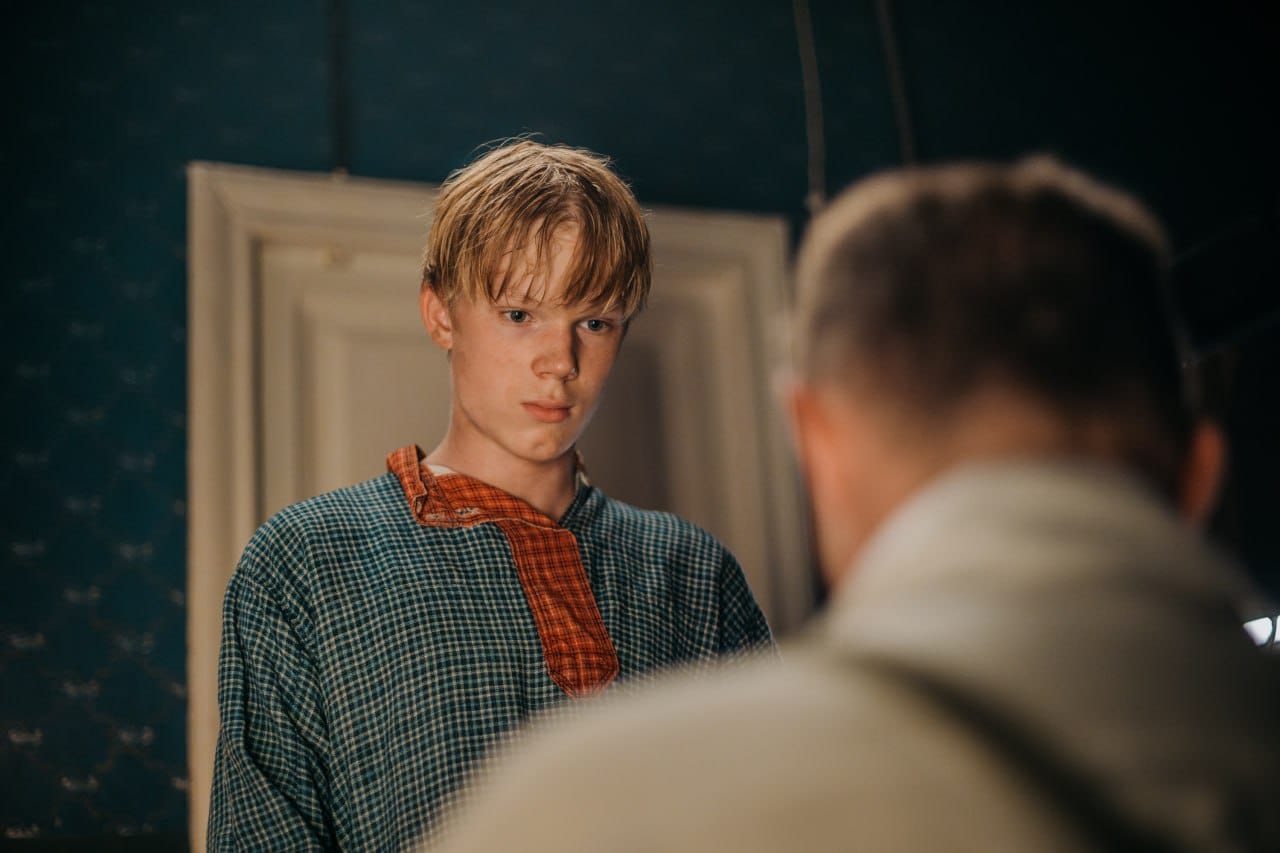
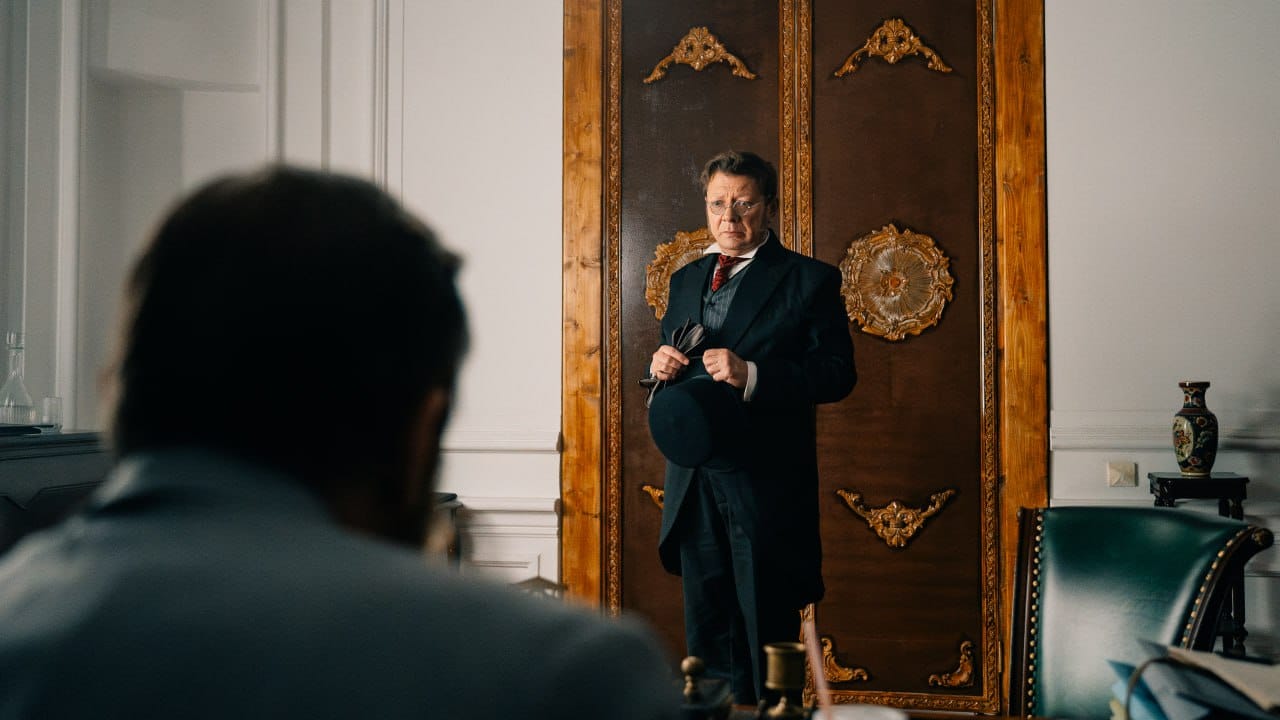
I am currently going through footage from the filming of the new historical detective series «Zlye lyudi» [Wicked People] for work, which plunges us into the turbulent atmosphere of Nizhny Novgorod on the eve of the great fair of 1895, and I rejoice in the brightness of the Russian landscape, the lovely streets of Nizhny, the vital nature of the Nizhny Novgorod region, the Russian peasant huts and the incredibly picturesque urban life of the nineteenth century.
It is pleasant to realise that our cinema has at last outgrown the snares of the Victorian detective story, and that the setting of domestic projects is ever more often not "foggy London" but golden-domed Russia with her lush greenery, white-stone architecture and charming rural pastoral.
This is noticeable, of course, not only in the palette and the sets but in the plot choices too. The setup is this: the measured life of the townsfolk is disturbed by the sensational murder of Nefedyev, the Marshal of the Nobility of the province. The screenplay is based on the famous stories from the «Chronicles of Detection» series by the Nizhny Novgorod writer Nikolai Svechin. Against the backdrop of the Volga expanses (and in shot are the Upper Volga Embankment by the Rukavishnikov mansion, the bank of the Oka near the Shukhov Tower, and the river Linda), there unfolds the investigation of a former soldier, played by Pyotr Rykov.
In short, my list of beautiful little Mother Russia in Russian films and series has gained one more screen incarnation of Nizhny Novgorod, which already leads the field in mentions in cinema. Why does the Nizhny Novgorod region so often find its way into big-screen productions? I think one obvious answer, besides the beauty and uniqueness of the local historical landscapes, is the systematic support for local filmmakers and the rebates for out-of-town professionals working in the region, whose filming costs are compensated. The casket, as they say, opened simply.