Two Museums at Moscow Waste Processing Plants Have Collected Over 400 Discarded Items
From time to time the news carries reports that some masterpiece has been found among the rubbish. Not long ago in Bavaria, originals by the Dutch artist Samuel van Hoogstraten and the Italian Pietro Bellotti were discovered in a dustbin.
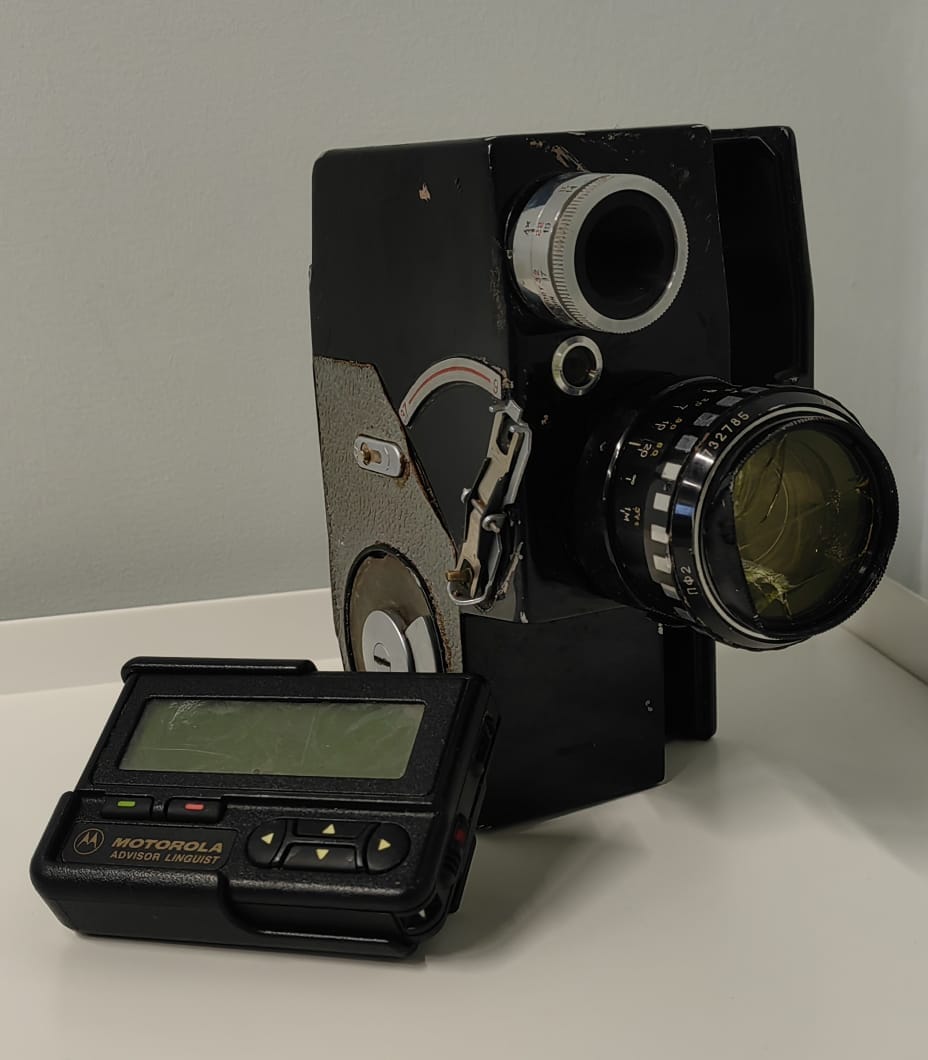
We, too, have something to boast about: two museums holding curious exhibits retrieved from the sorting lines of the waste-processing complexes "Vostok" and "Neva". The collections already number more than 400 items, among them cameras, genuine swords, gramophone records, Soviet cine cameras and even a pager from the 1990s. All of this was thrown into bins in the courtyards of Moscow.
Since the waste of Muscovites is carefully sorted and divided by fraction, material and eventual purpose, the staff of the recycling complexes do not overlook the numerous valuables that have found their way into one of the 60,000 blue and grey containers, the very ones of the Moscow separate waste collection programme. Blue is for clean recyclables (plastic, metal, glass and waste paper), and grey for mixed waste.
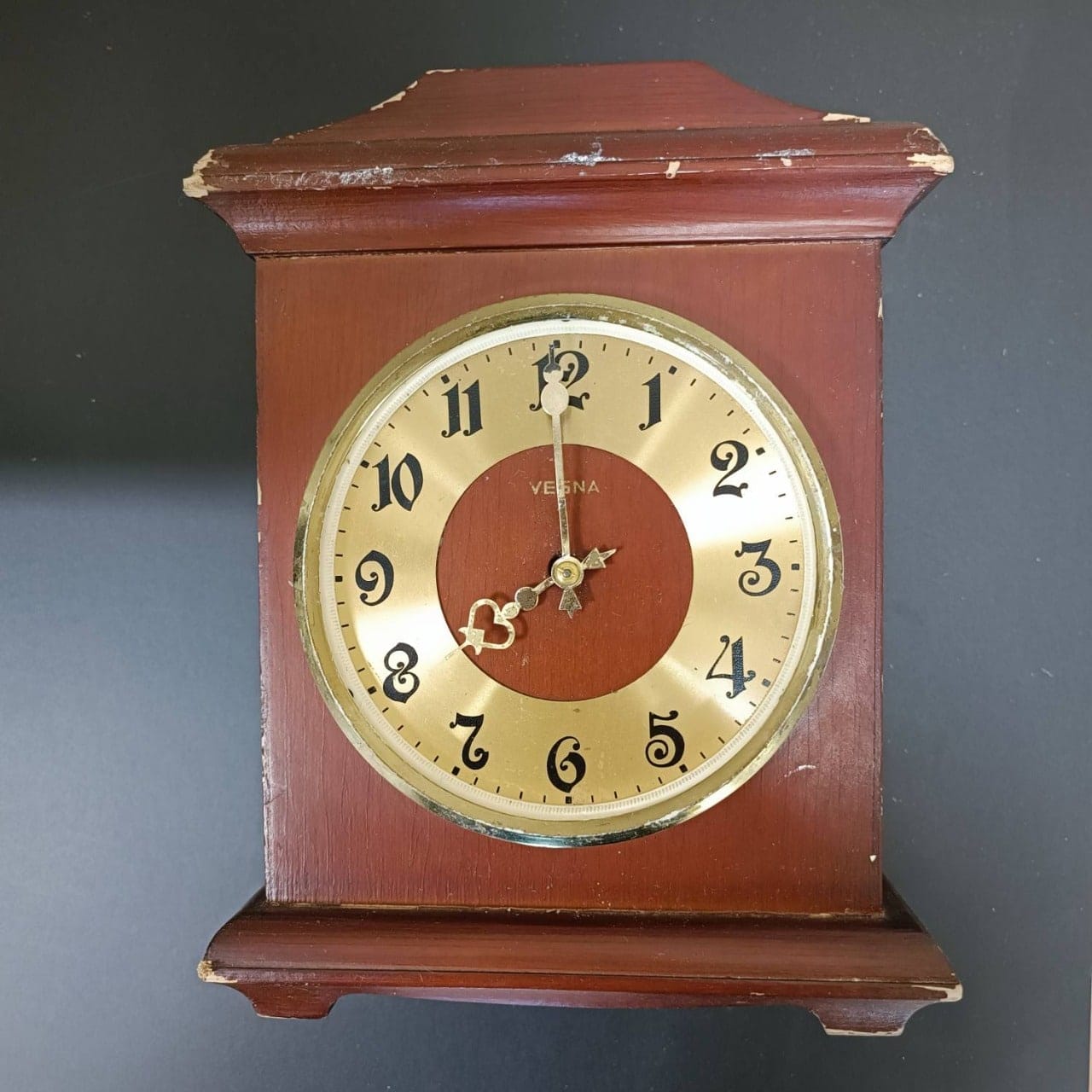
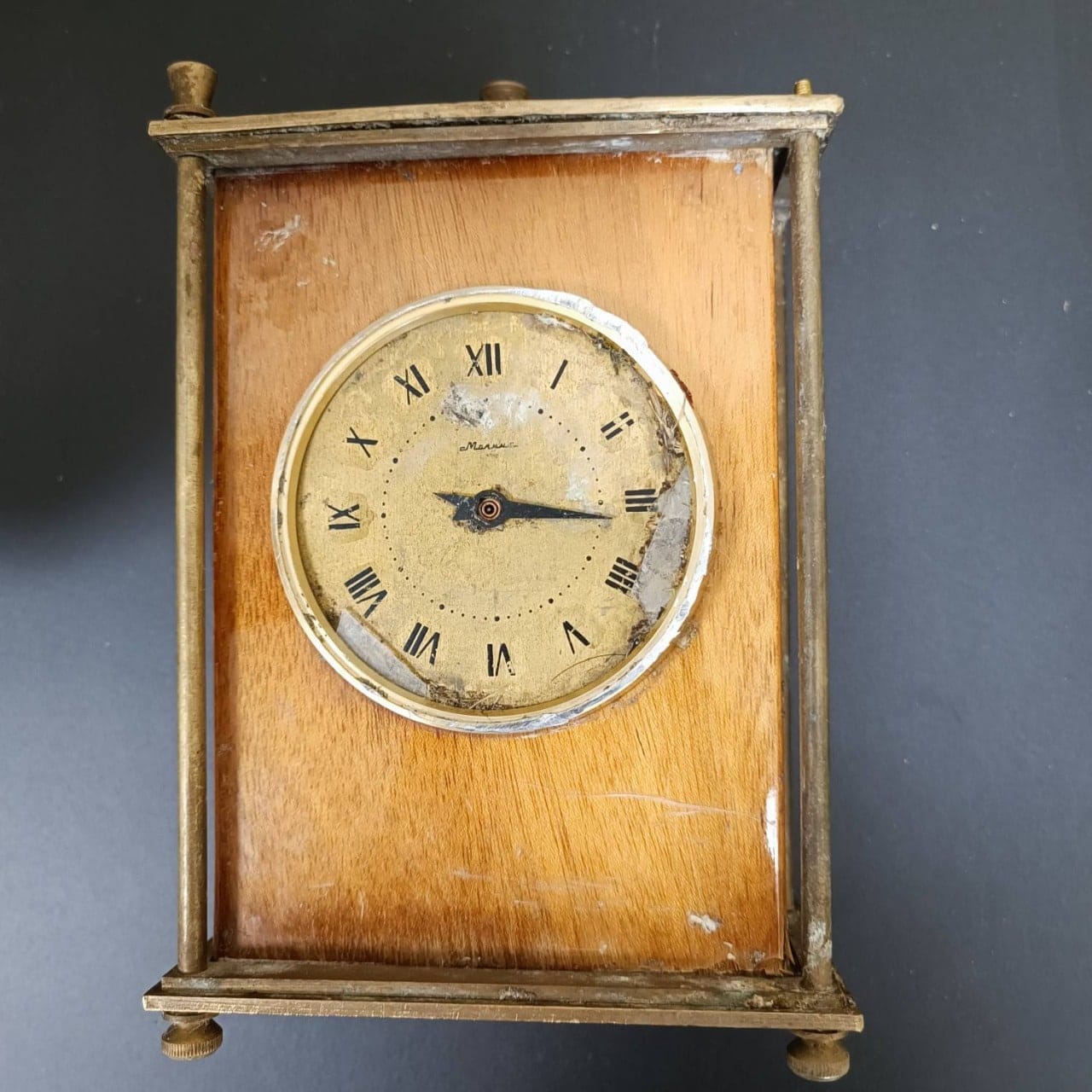
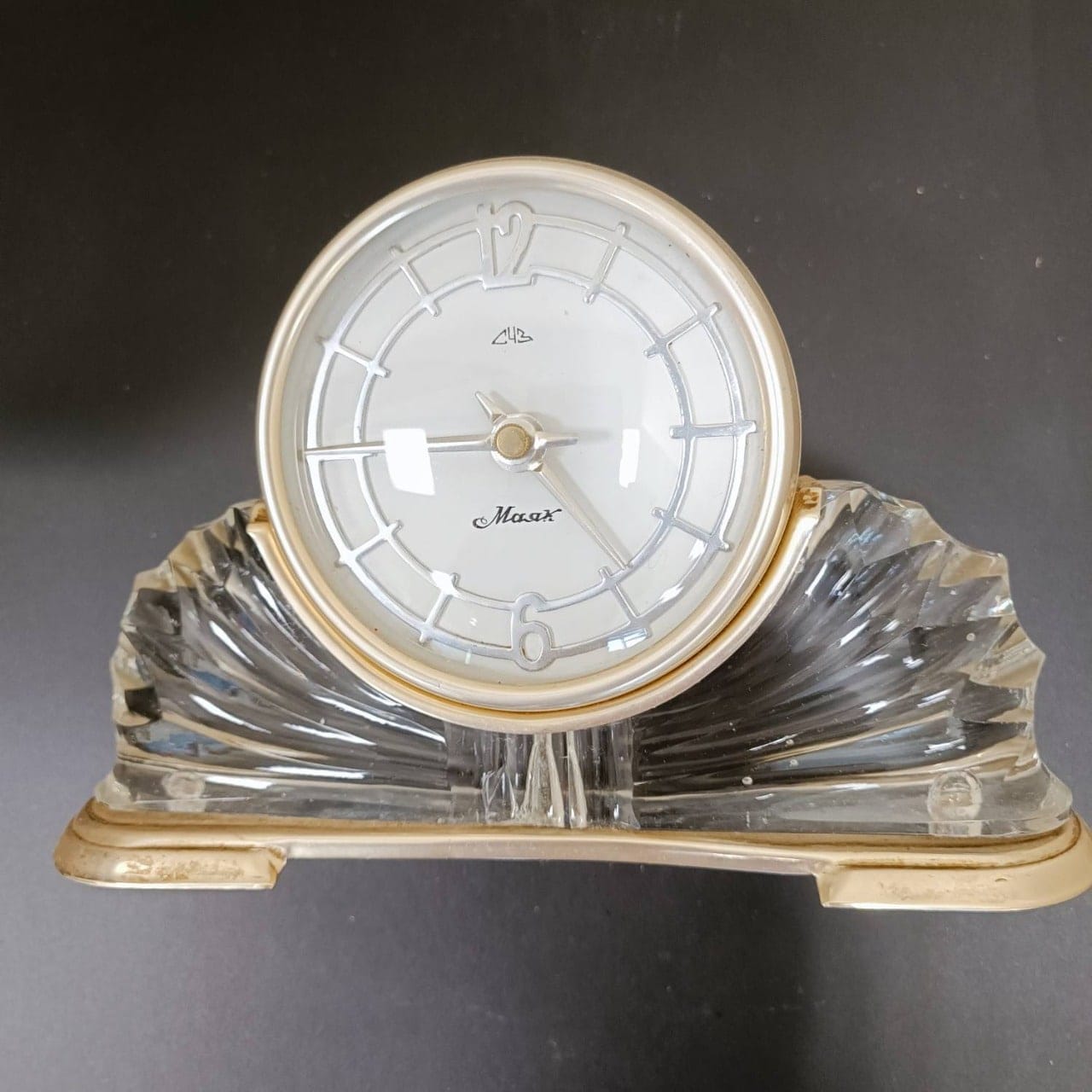
I was struck by the number of watches and clocks in the museum display cases: "Vesna" ("Spring"), first made at the Vladimir Watch Factory in 1947; the mechanical "Molniya" ("Lightning") clock in a wooden case with a bronze-and-brass mount; "Mayak" ("Lighthouse") in a crystal case from the 1960s; a massive three-kilogram "Mistress of the Copper Mountain" in Kasli cast iron; and the more modern "Slon" ("Elephant") clock.