Wood analysis dates the Chair of Saint Peter to no earlier than the 6th century
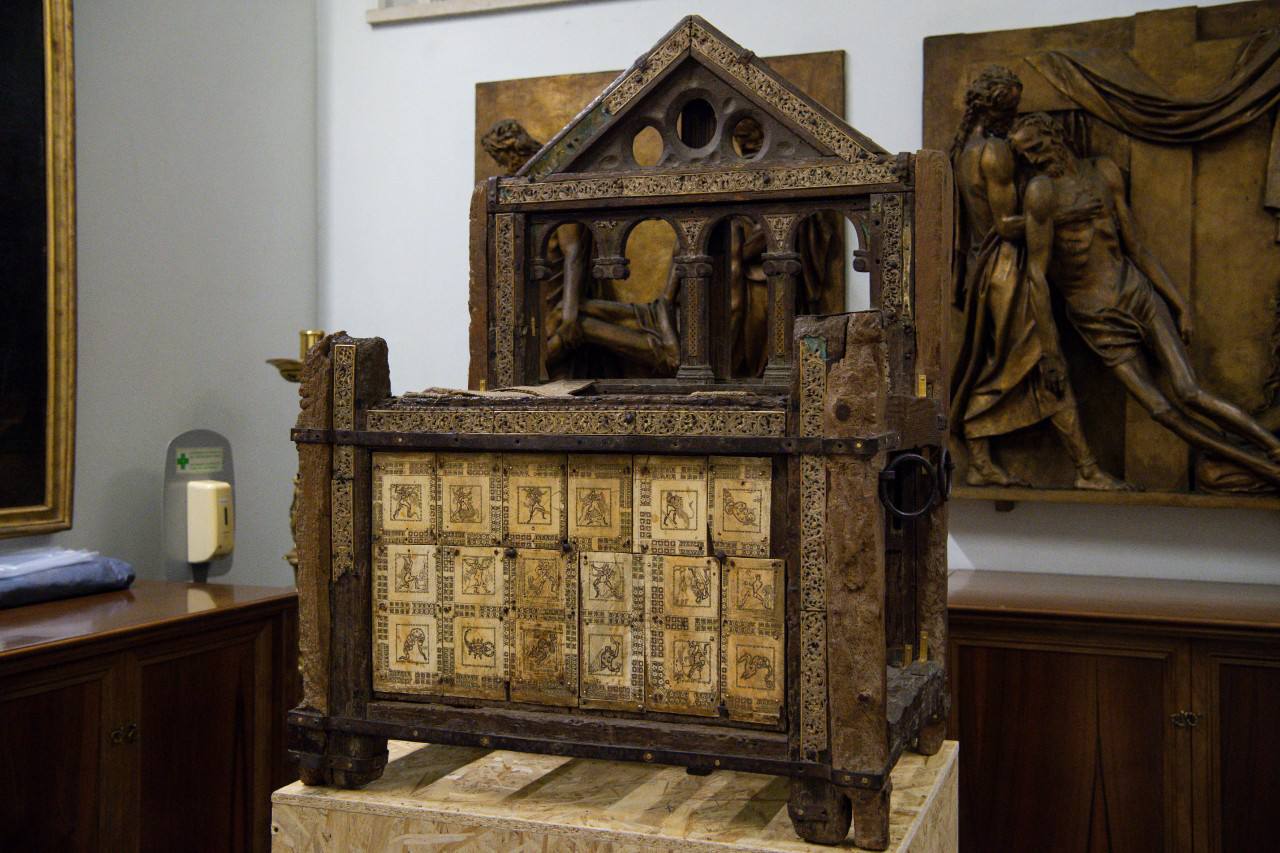
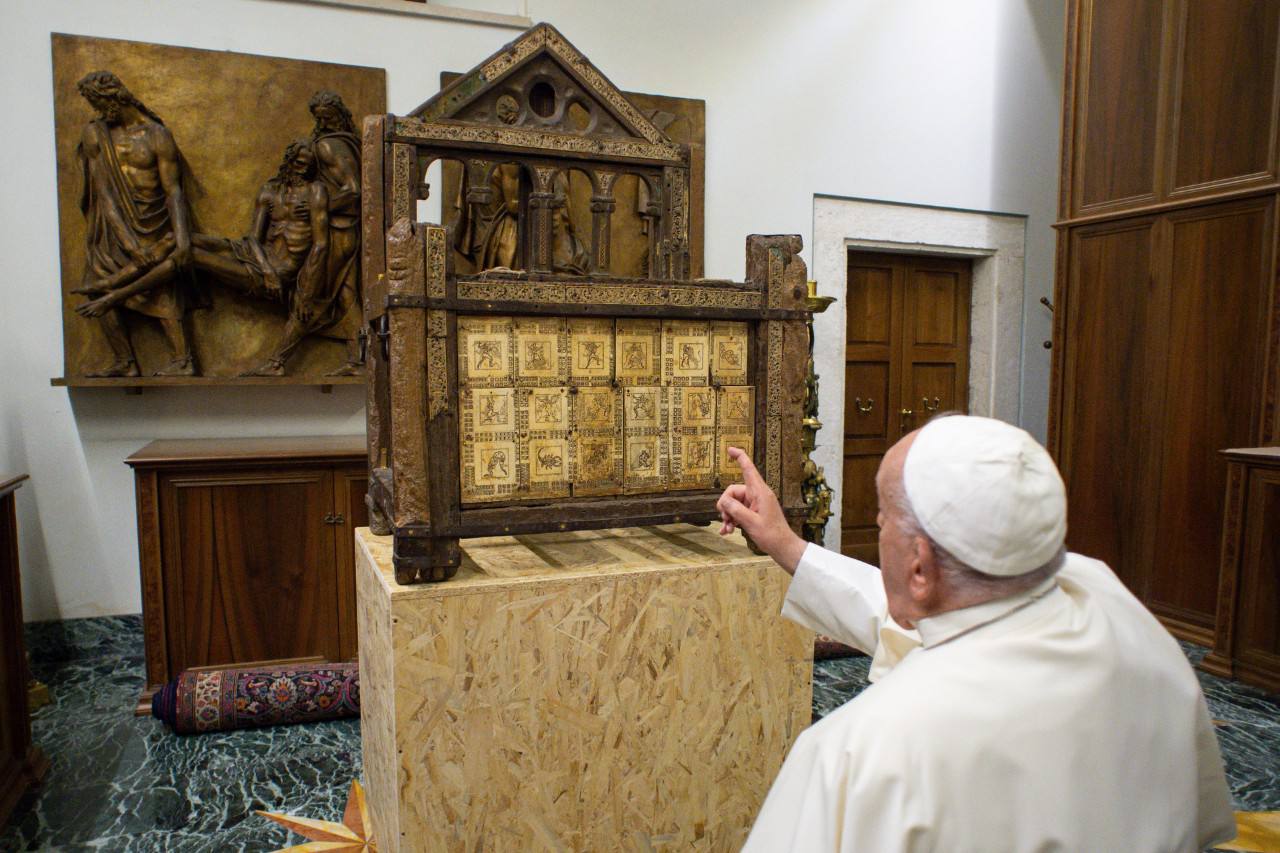
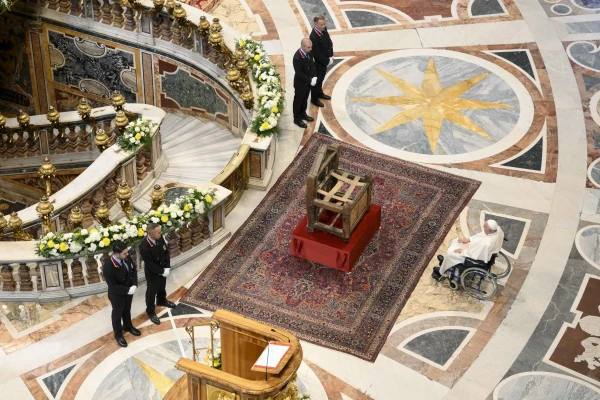
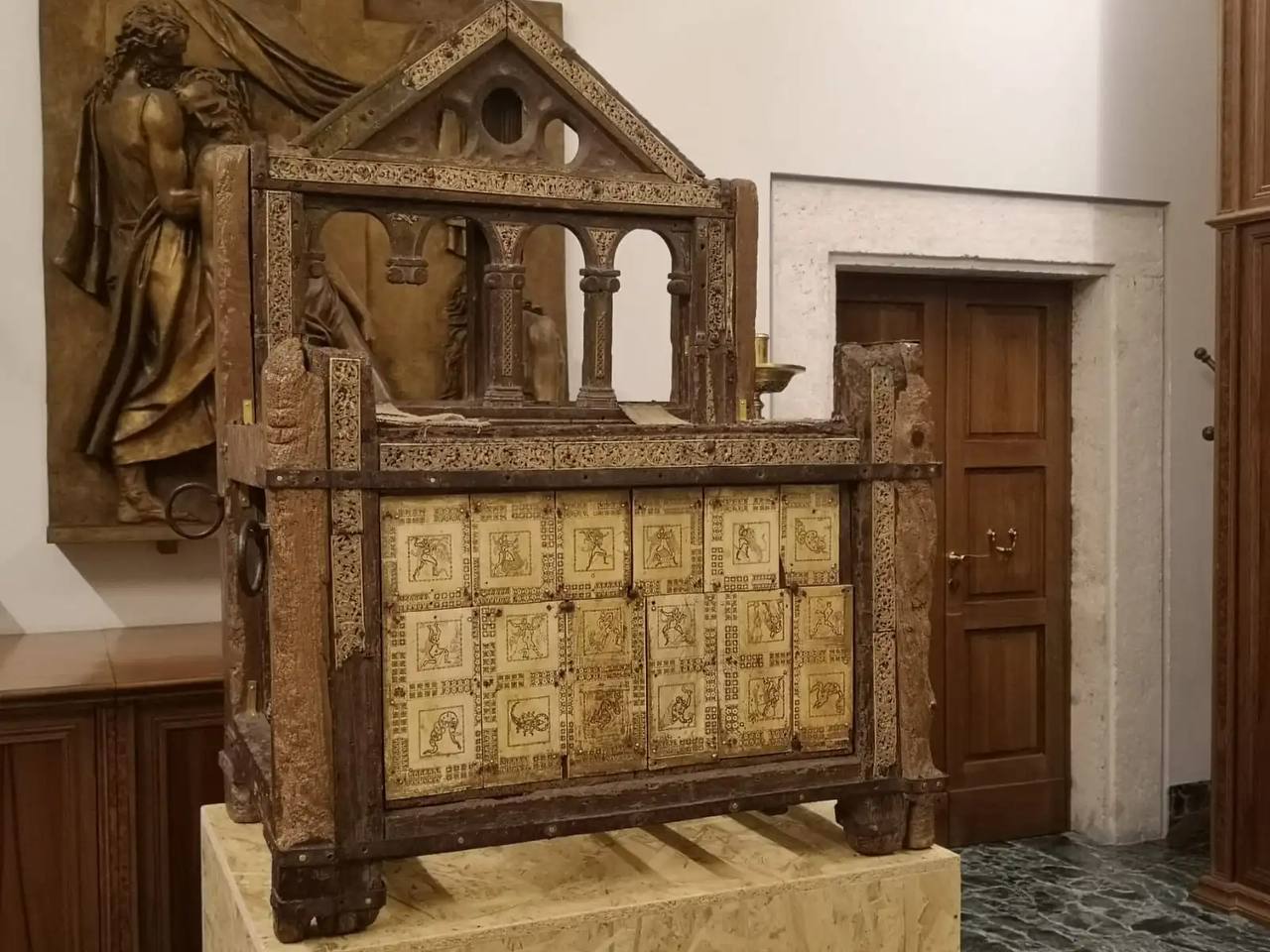
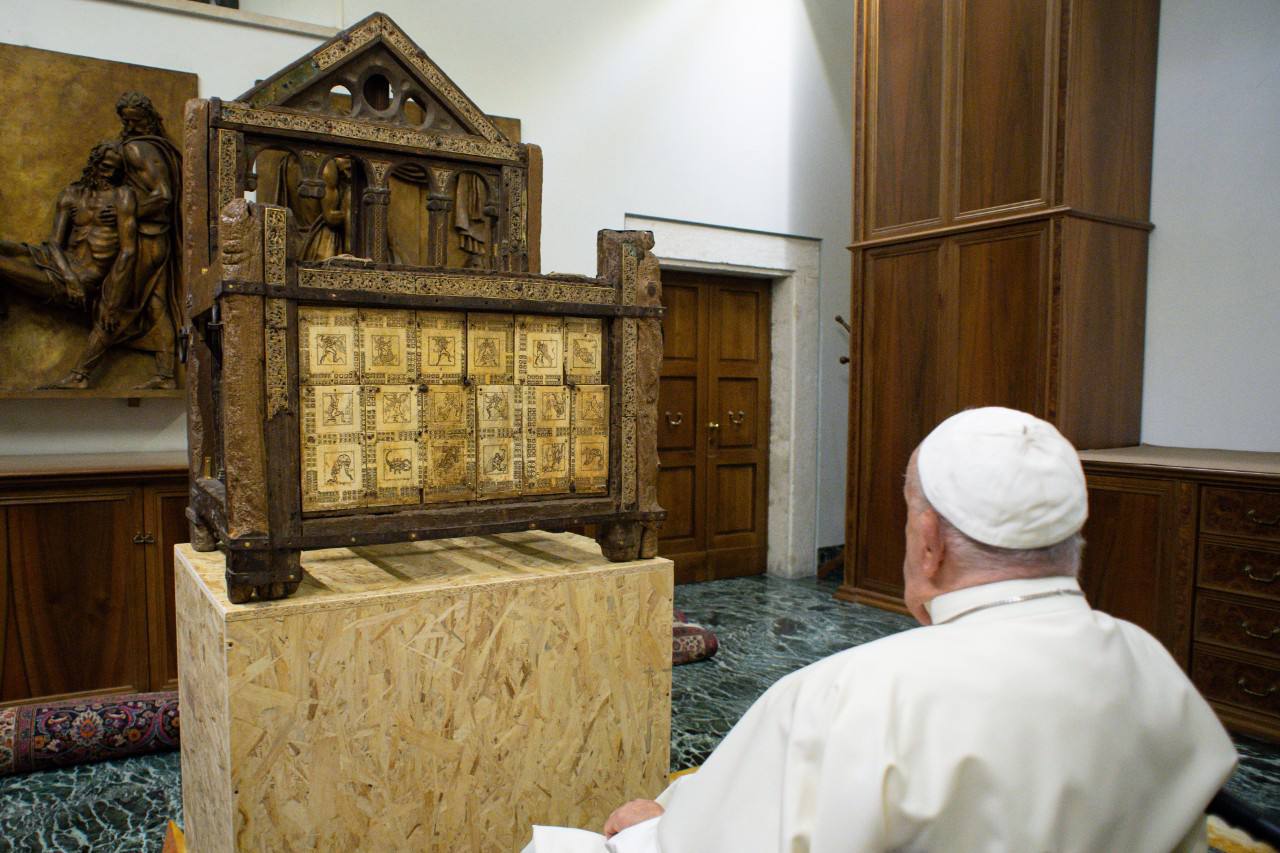
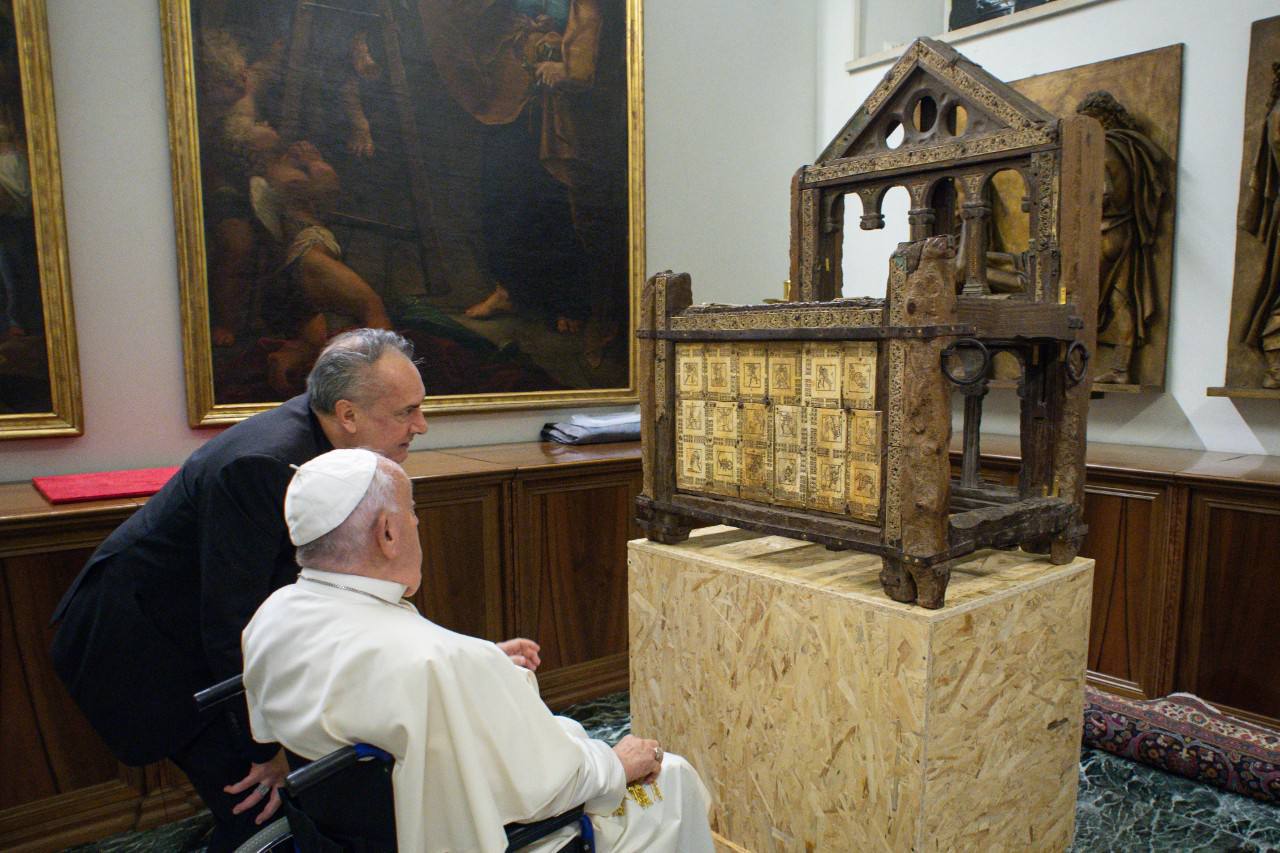
For the first time in 150 years, tourists and residents of Rome can see the wooden throne of Saint Peter the Apostle, previously hidden within the Chair of Saint Peter in the apse of Saint Peter's Basilica in the Vatican.
Flying to Rome at once!
The relic was enclosed in the Chair of Saint Peter, designed by Gian Lorenzo Bernini, in 1666, and remained hidden from view until 1867, when, to mark the 1800th anniversary of the martyrdom of the Apostles Peter and Paul, the shrine was exhibited for veneration by the faithful for just 12 days, on the initiative of Pope Pius IX.
In the second half of the 20th century the Chair of Saint Peter was restored. During the work, experts carried out analyses of the throne's wood. Scholars established that the fragments examined date from no earlier than the 6th century. Given that the Apostle Peter lived and died in the 1st century, it was evidently not a question of an authentic part of the throne, but either of a later insertion or of a renovated structure of a more ancient artefact.
Moreover, despite the results of the latest research, specialists do not rule out that new investigations into the materials and methods of the throne's manufacture, using modern technology, will reveal other data on the origin of the relic.
“The investigations will show whether it can be attributed, as some scholars would like, to the 3rd century,” Pietro Zander, head of the Necropolis and Artistic Treasures department of the Fabbrica di San Pietro, remarked in an interview with Vatican Radio.
Be that as it may, the Throne of Saint Peter the Apostle is one of the chief relics of the Vatican, and the chance to see it today is unique.