"Beyond the Hundred-and-First Kilometre" Opens in Tarusa
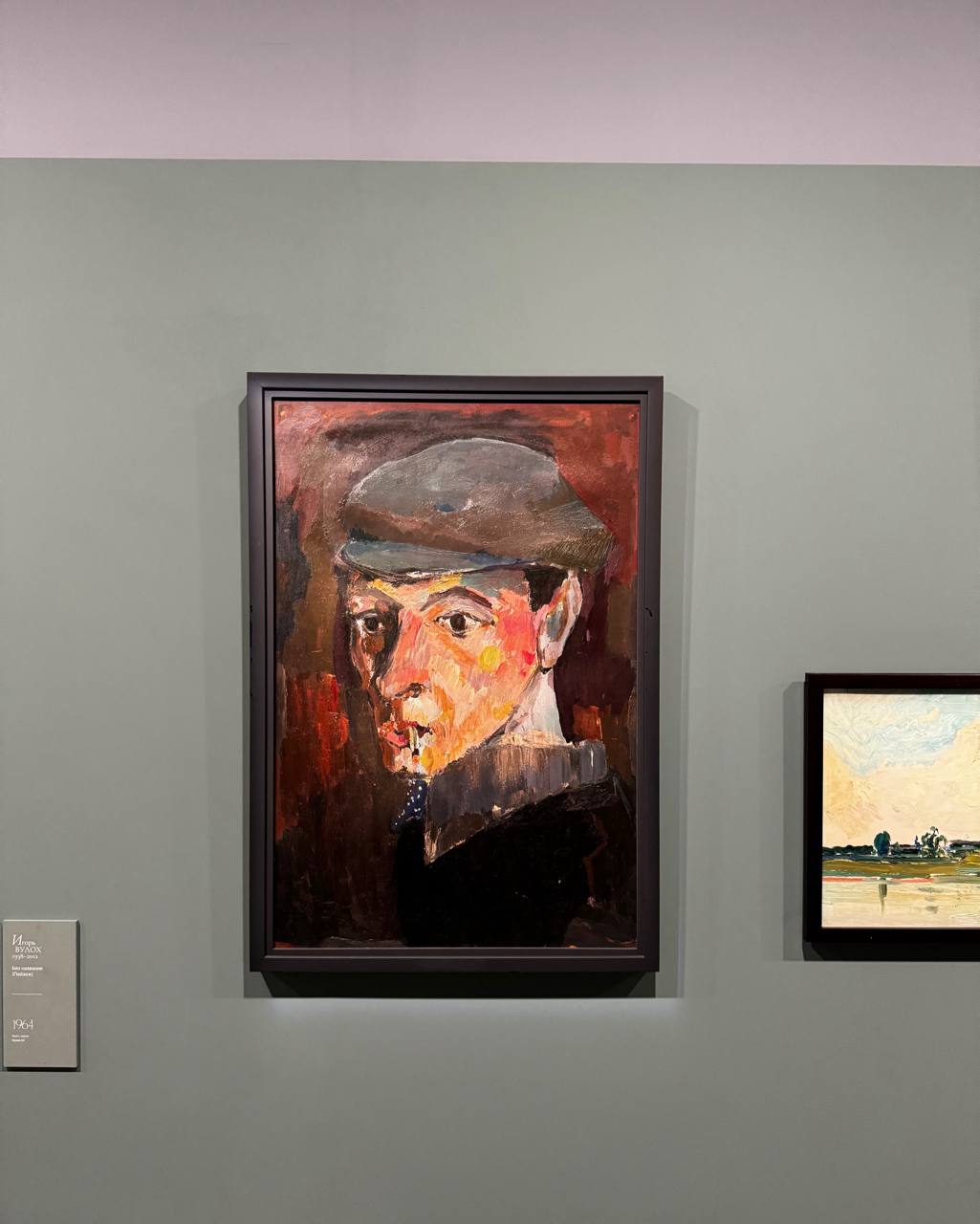
An exhibition called "Beyond the Hundred-and-First Kilometre. Nonconformists in Tarusa" has opened in Tarusa, marking the 65th anniversary of the "first free exhibition" of unofficial artists, held here in 1961 in the premises of the town club. That was a year before the Manege exhibition, at which Khrushchev had his fit.
Back in 1961 the show was opened through an oversight: some minor regional official approved it by accident, the rest let it pass, and the young artists Eduard Steinberg and Valentin Vorobyov, together with their Moscow friends Mikhail Grobman and Mikhail Odnoralov, simply took their works, never before shown to the public, and hung them in the House of Culture. And, you know, it worked.
Are these paintings? This is abstraction, said one of the Communists, but he did not interfere. In essence, the employees of the provincial department-sub-department-of-culture-party-and-everyday-life and the like may not have suspected that the Soviet viewer must not be shown certain pictures by Soviet artists. The exhibition ran quite freely for about a week; exiles banished beyond the 101st kilometre and other Tarusa residents, their guests, summer residents from Moscow and, of course, the most active of the creative young, in search of fresh impressions, managed to see the event. It was not, however, particularly advertised. Then, when the party cockerel had pecked whom it needed to, where it needed to, the exhibition was shut down at the speed with which the stench of disturbed bureaucrats spreads, not without dismissals from posts and strikings-off from the queue for a two-room Czechoslovak crystal carpet.
Higher up, they began to look into how such sedition had been overlooked. And the artists, the artists finally learned that it was, it turned out, possible to exhibit without the sanction of a mechanical inkwell. Today the exhibition is not merely a legend but a kind of bronzed golden fund of independent art, and there is a sea of legends around it, for instance that it was closed the very next day.
How it really was, the context of what happened, portraits of the participants and the mood of that summer are described in his memoirs by Valentin Vorobyov. I have a couple of his drawings, but habitués of fashionable fairs usually wrinkle their noses and ask: who is this? Indeed, who? Some of the artists of that generation, independent, dissenting, free and bold, are today scarcely known at all. Some, like Vorobyov, managed to emigrate but failed to arrange an exhibition destiny for themselves. Some, like Paustovsky, lived too short a life. For some it simply did not work out; few have heard, for example, of Borukh Steinberg's original epoxy pours.
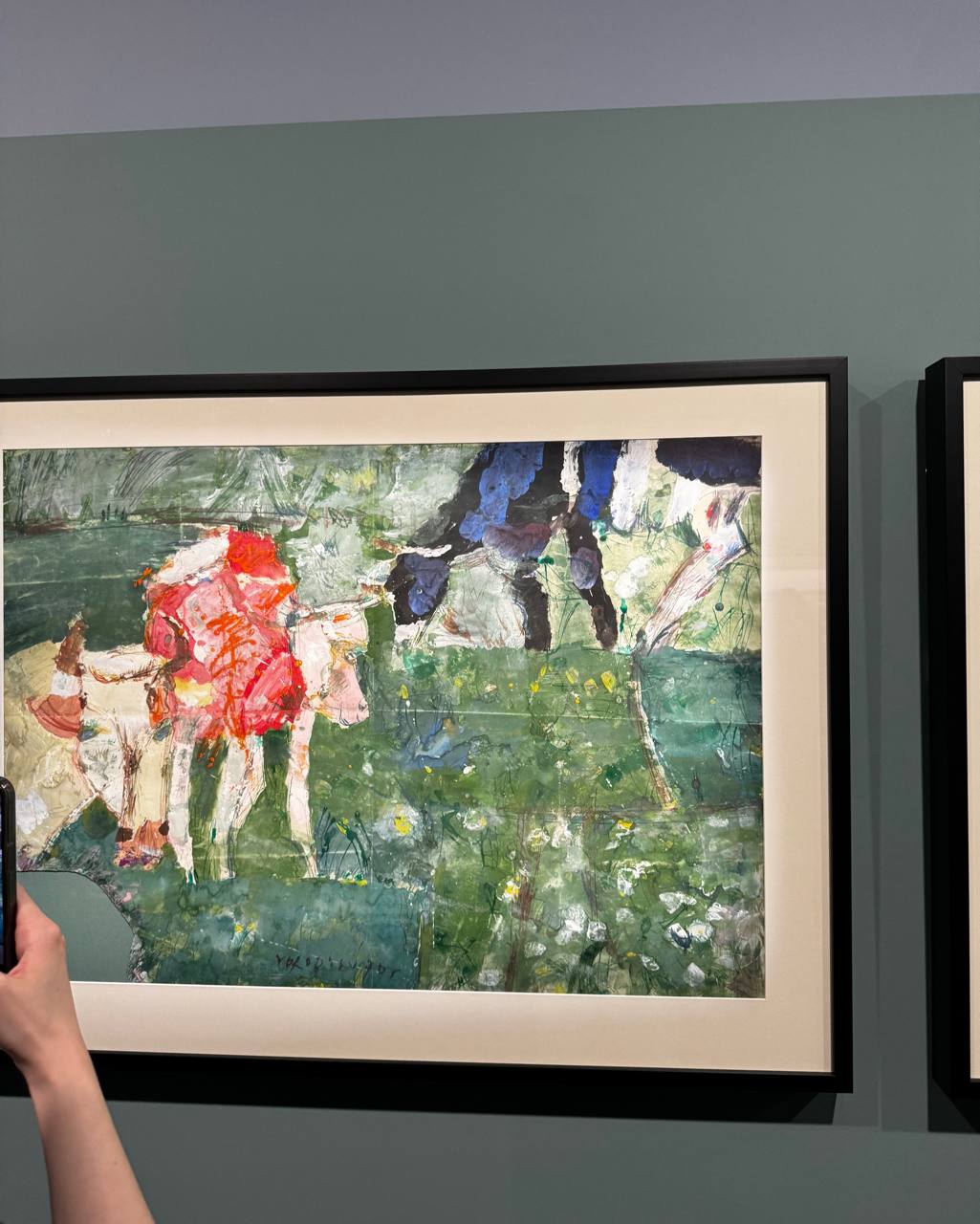
This time they did not attempt to recreate the exhibition, although there is a roughly complete list of its participants; thanks to memoirs it was even supposed that Yakovlev came to Tarusa in the form of drawings in a closed folder, but the list of works, let alone images of them, does not lend itself to any detailed reconstruction. Vorobyov recalled that they took his "Cow" from him; the curators tracked down one of the probably similar, though somewhat later, cows and hung it here, in "Beyond the Hundred-and-First Kilometre". In fashionable terms this exhibition would be called an homage or a tribute. In essence it is a sensible, carefully worked-out reflection on the milieu and the life that gave birth to that exhibition and to those particular artists.
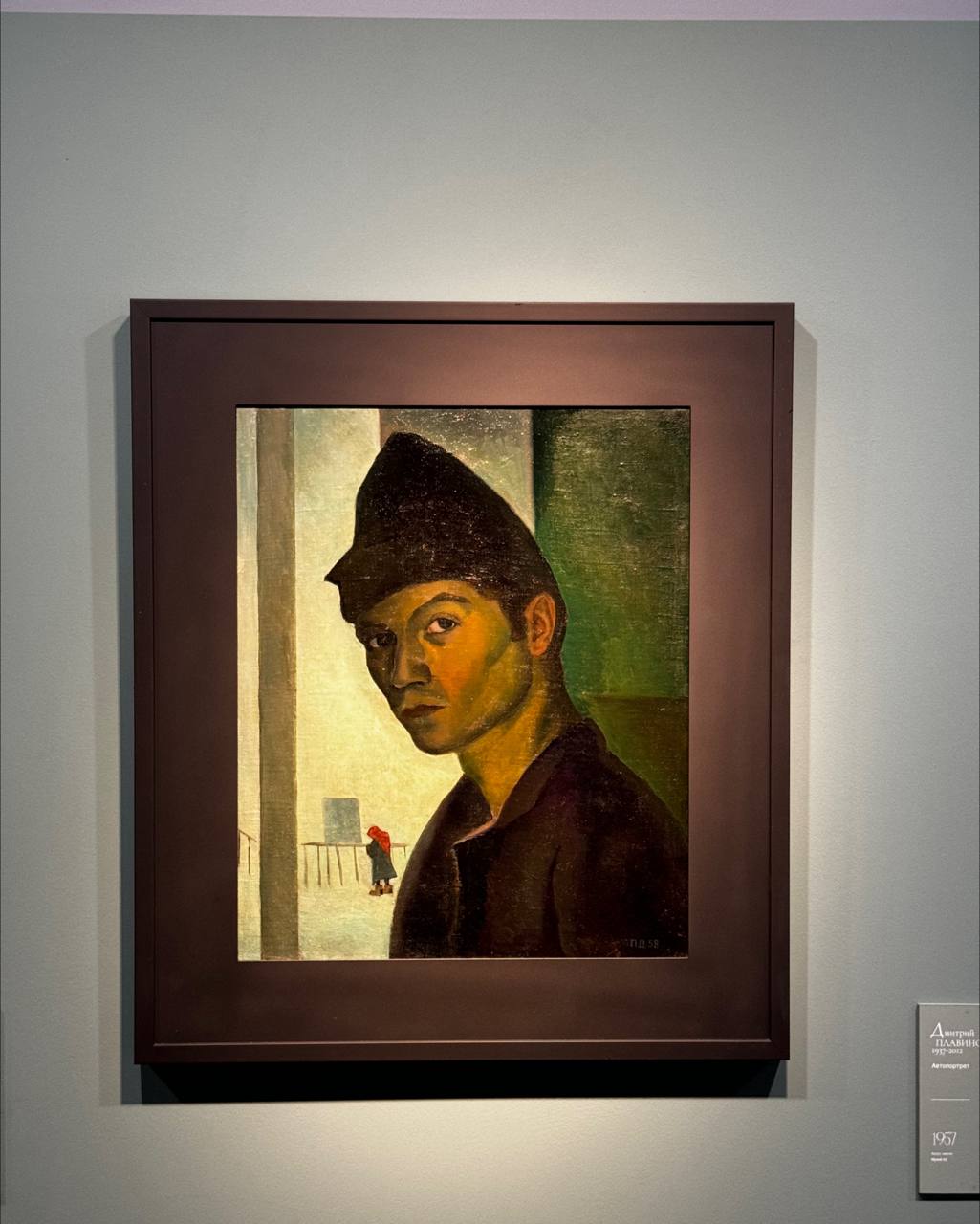
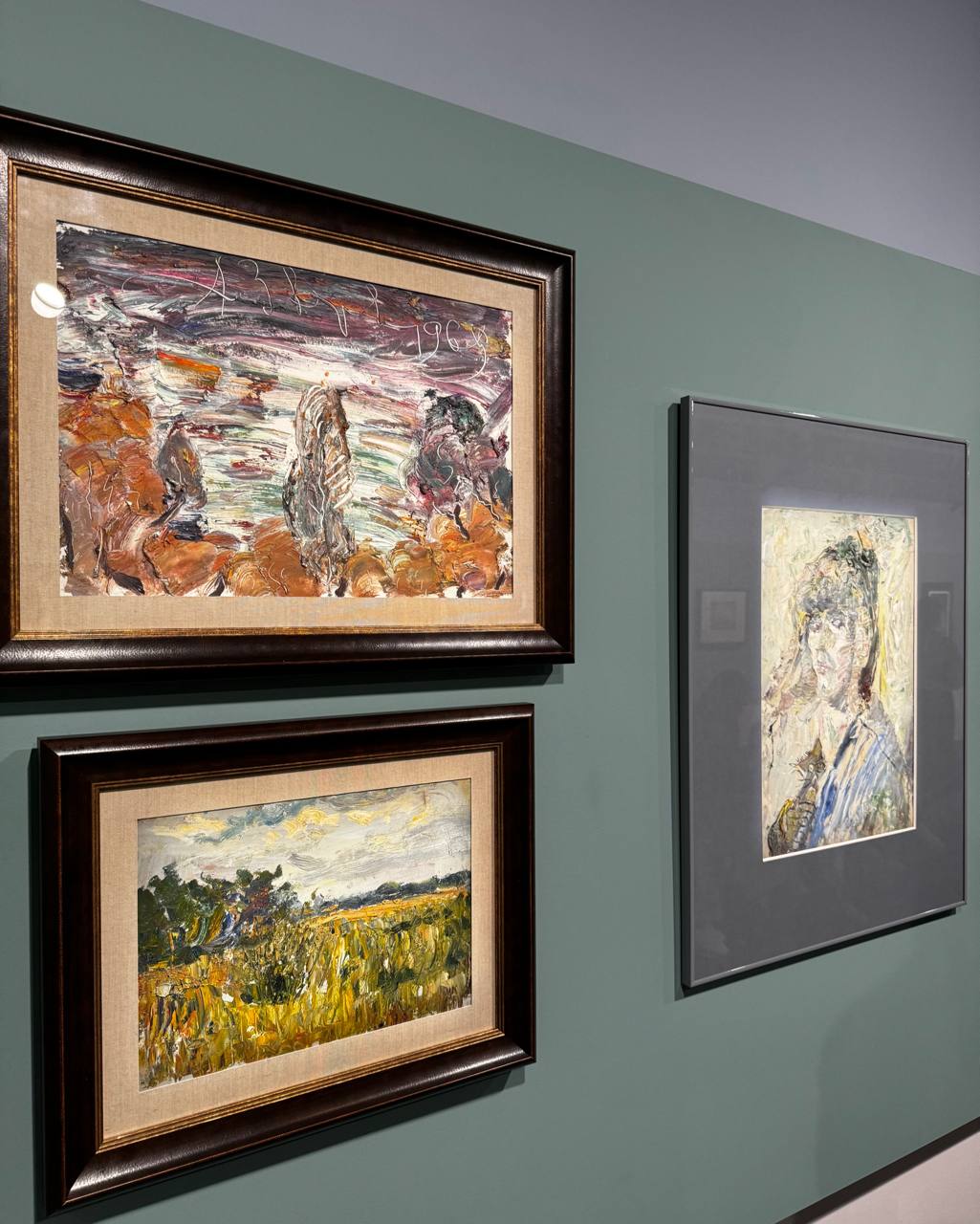
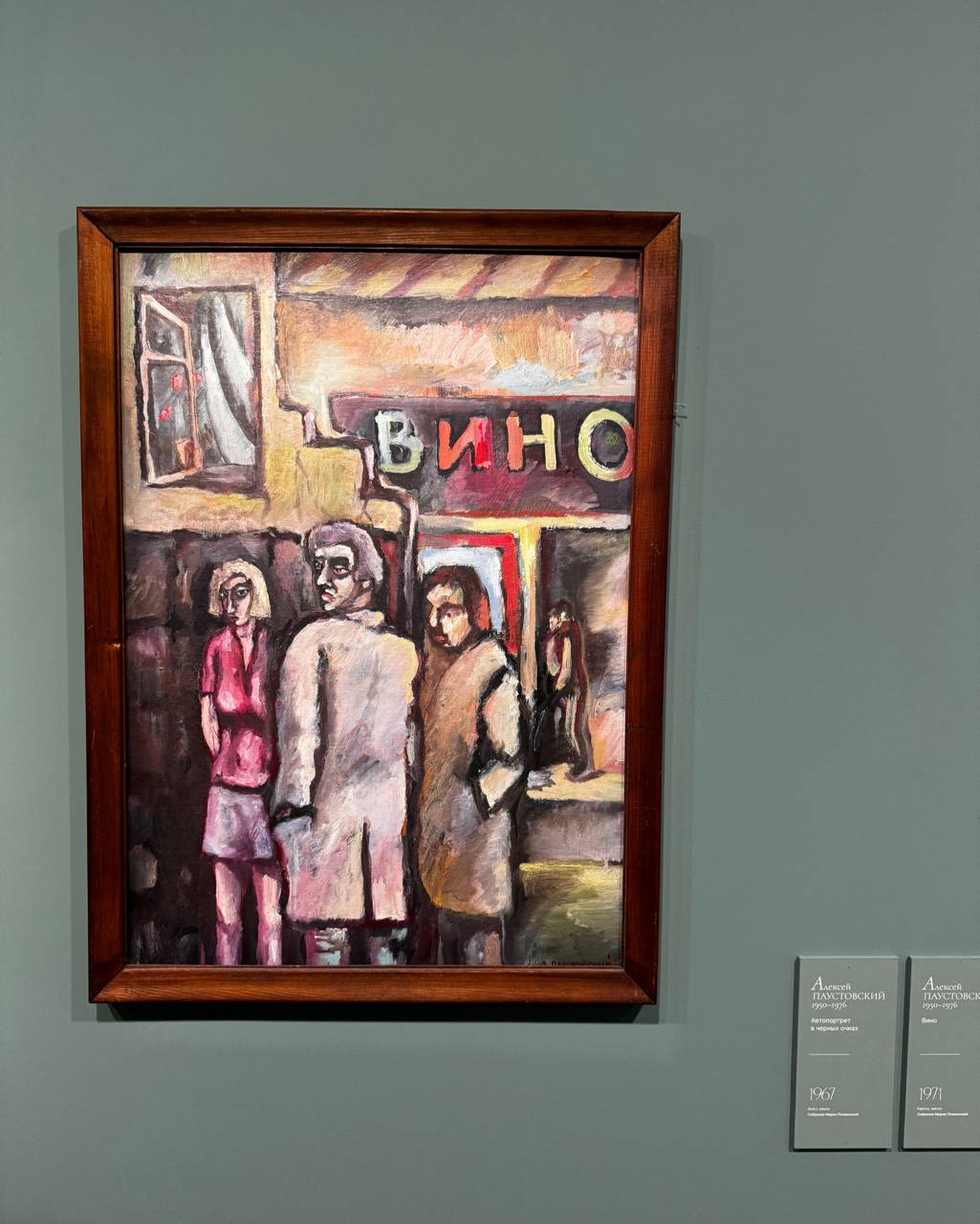
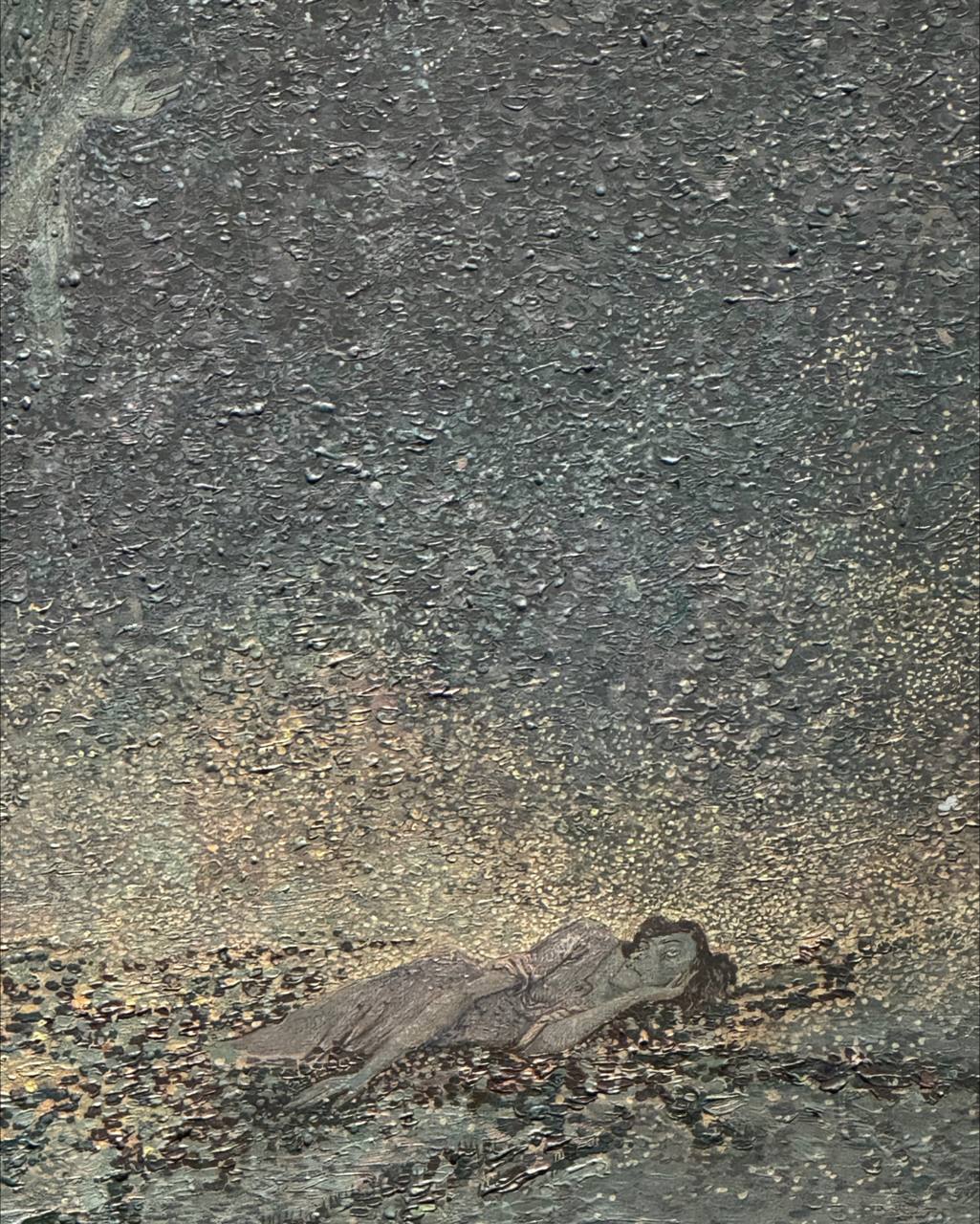
The show includes not only works by participants in the 1961 exhibition but also those of their friends and circle, who might have exhibited at the original show or who can add something new to its story. Eduard and Borukh Steinberg, Valentin Vorobyov, Alexei Paustovsky, hero of Sapgir's "Firebird", an unrecognisable Sveshnikov, a non-objective landscape by Igor Vulokh, perhaps not even a Tarusa one. Zverev, of course, Plavinsky, in short all the young and early nonconformists.
There are more than forty works, which is not so very many, and one would have liked more; one could have freed up the deposits of mosaic in the House of Writers. The works come mainly from the collection of the AZ Museum, with some lent by widows, friends and the collection of the Tarusa foundation. Curators: Elena Kamenskaya and Natalia Volkova. Behind every graphic work and painting lies either a social drama, an anecdote, or an entry from the encyclopaedia of unofficial art. The exhibition is worth seeing, not only as a tribute to the fleeting surge of 1961 but as a beautifully assembled ontology of an era.
Tarusa, Vesyolaya Street, 23. Until 20 September. Entry by registration at tarusa.museum-az.com