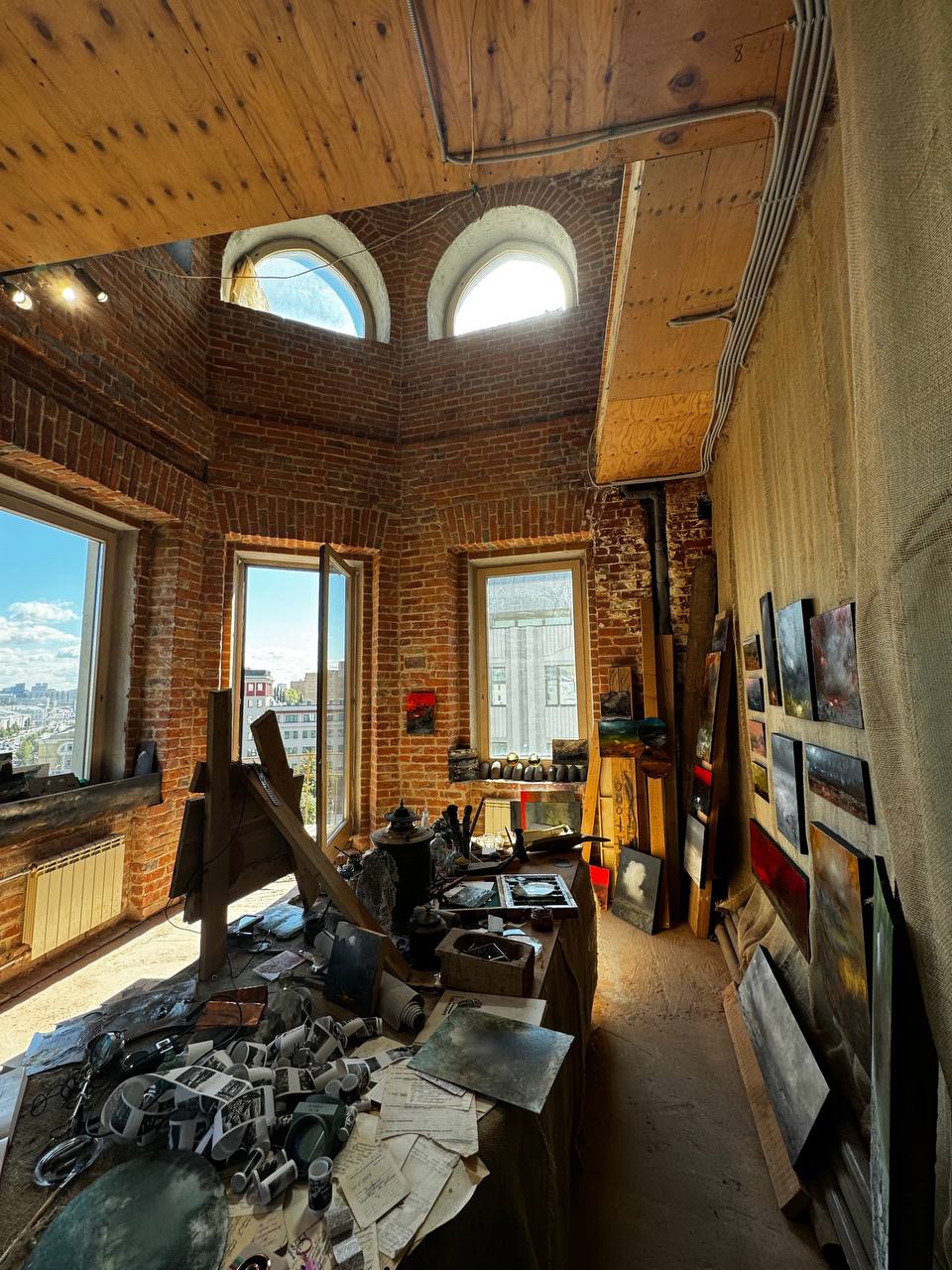
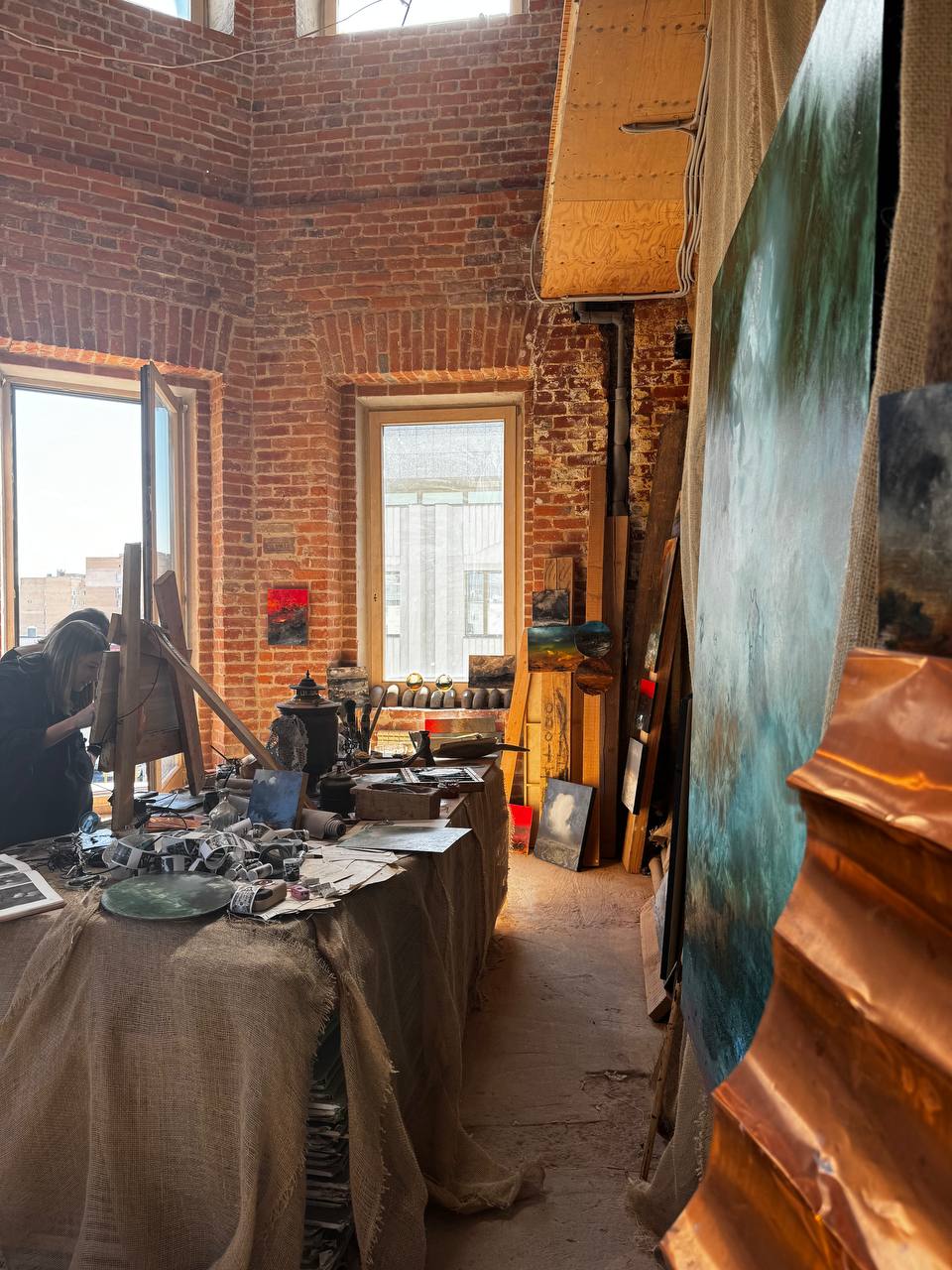
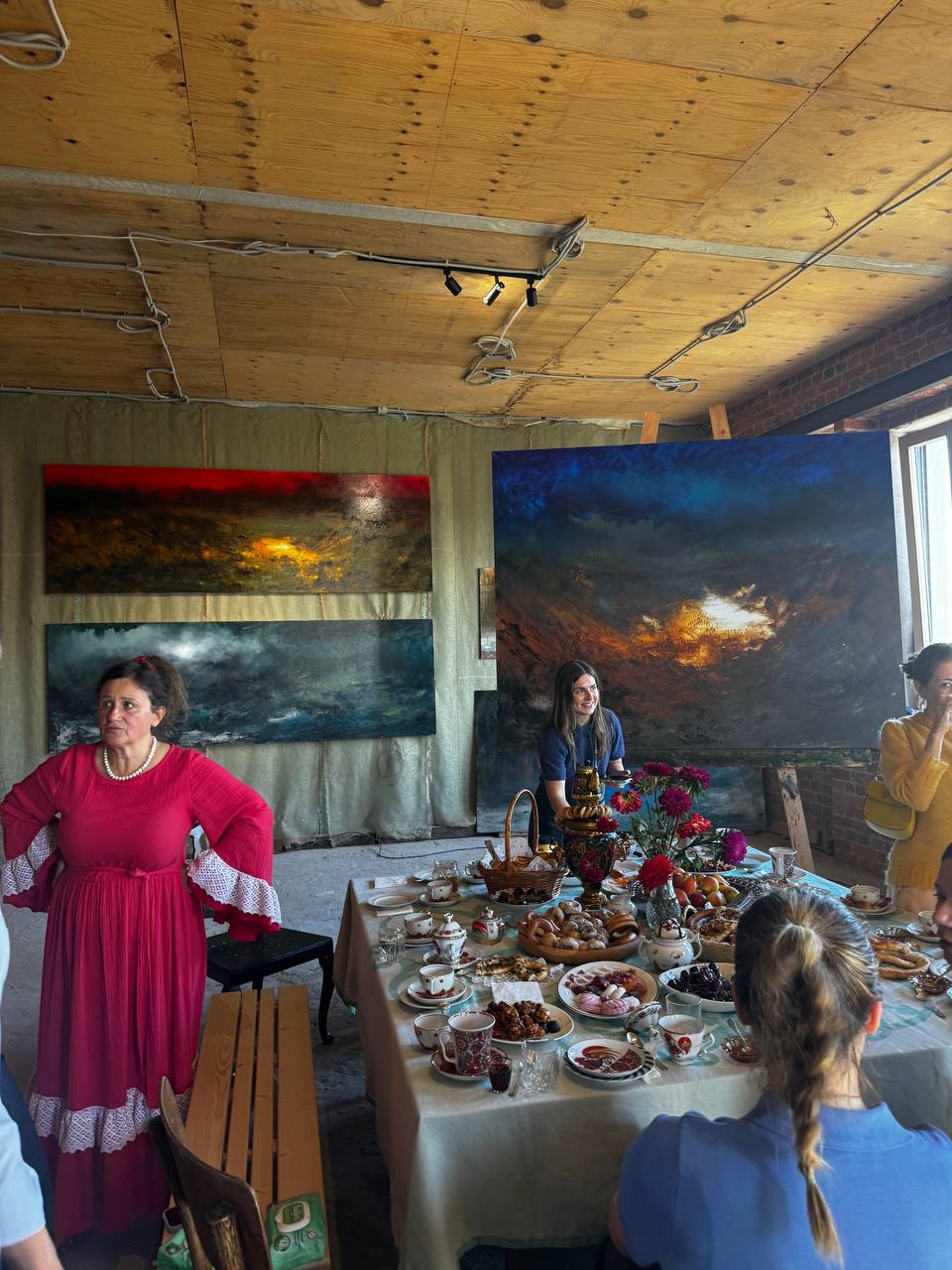
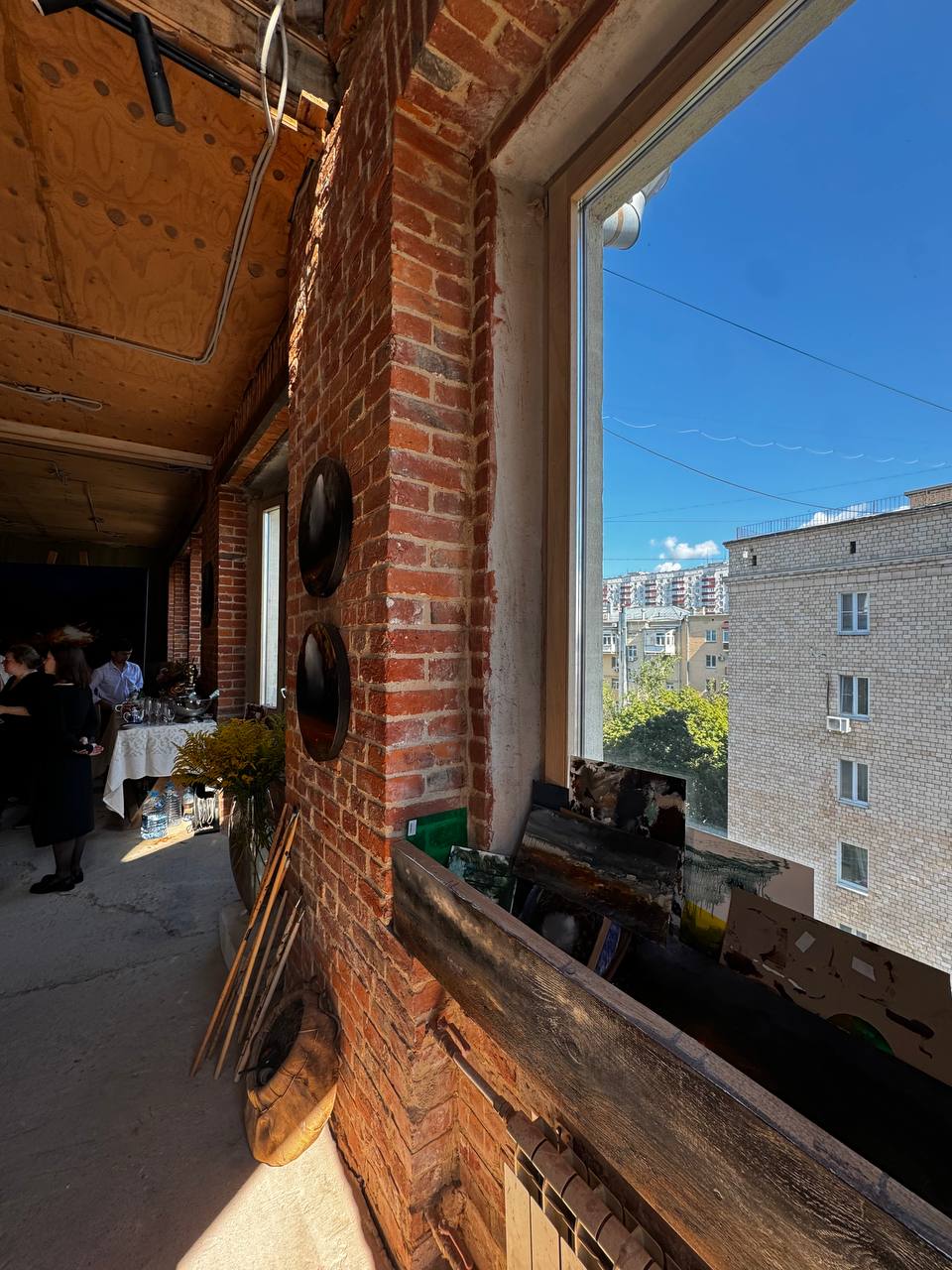
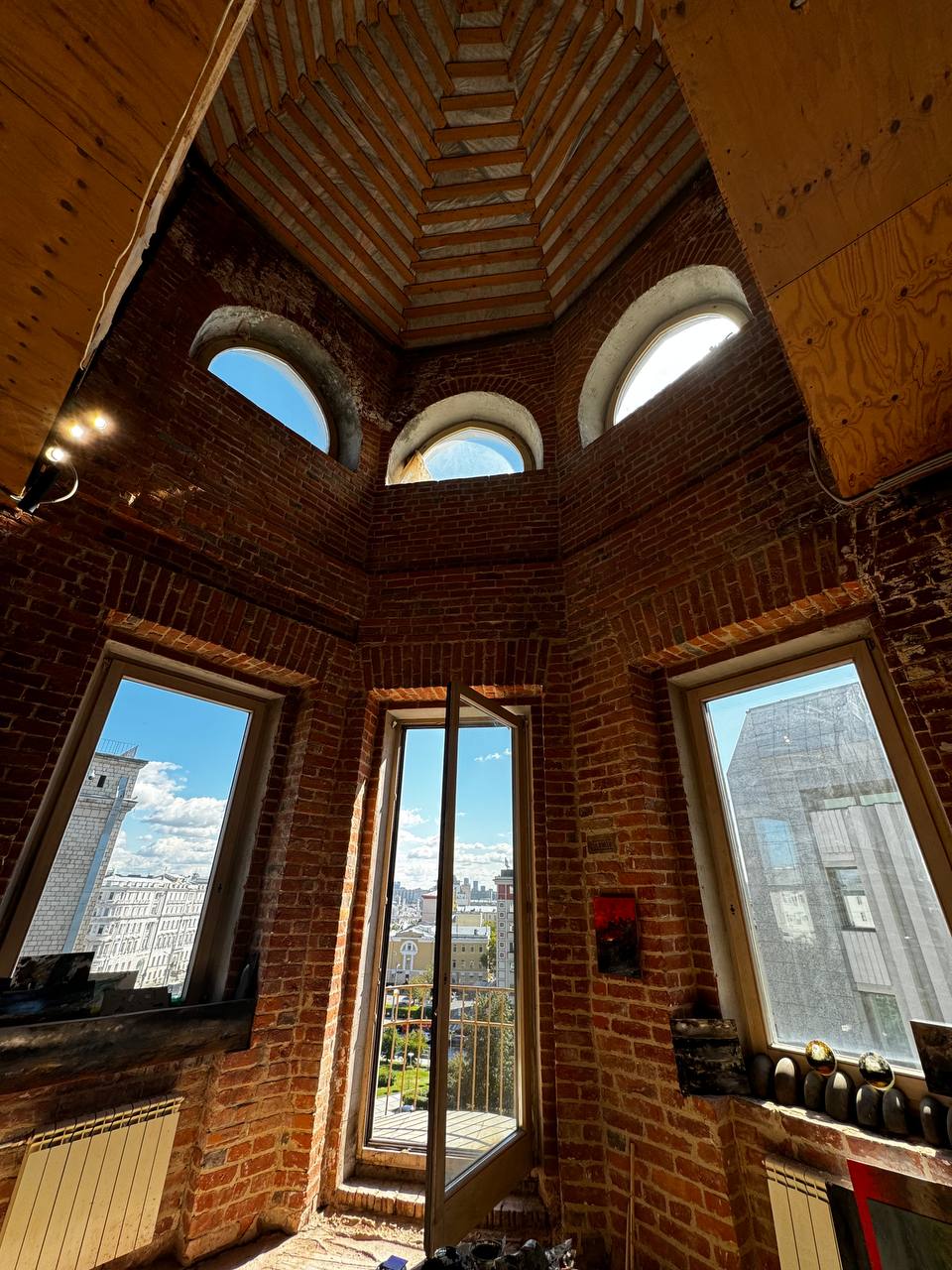
On Friday I breakfasted in Kandinsky's flat, in a room whose windows look out over Zubovskaya Square
Where did Rodchenko and Stepanova live in Moscow?
E. L.: At first they made do in other people's flats, in tiny rooms. They lived in a house belonging to the family of Vasily Kandinsky, at 8 Dolgy Lane (now Burdenko Street), in flat 25, while Kandinsky spent almost a year in Germany. There was a piano there, and Rodchenko began to improvise, although he had never studied music and could not read notes.
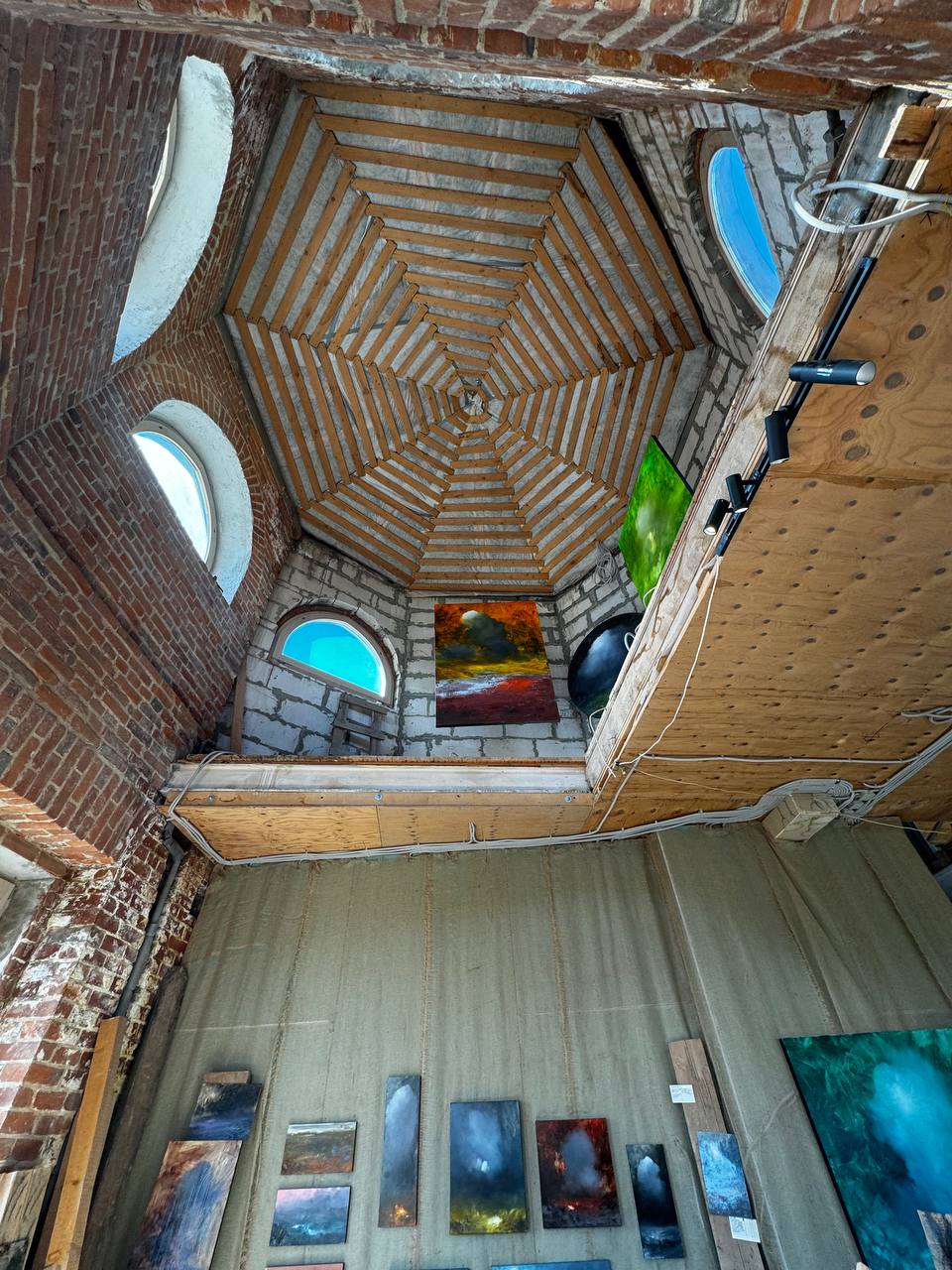
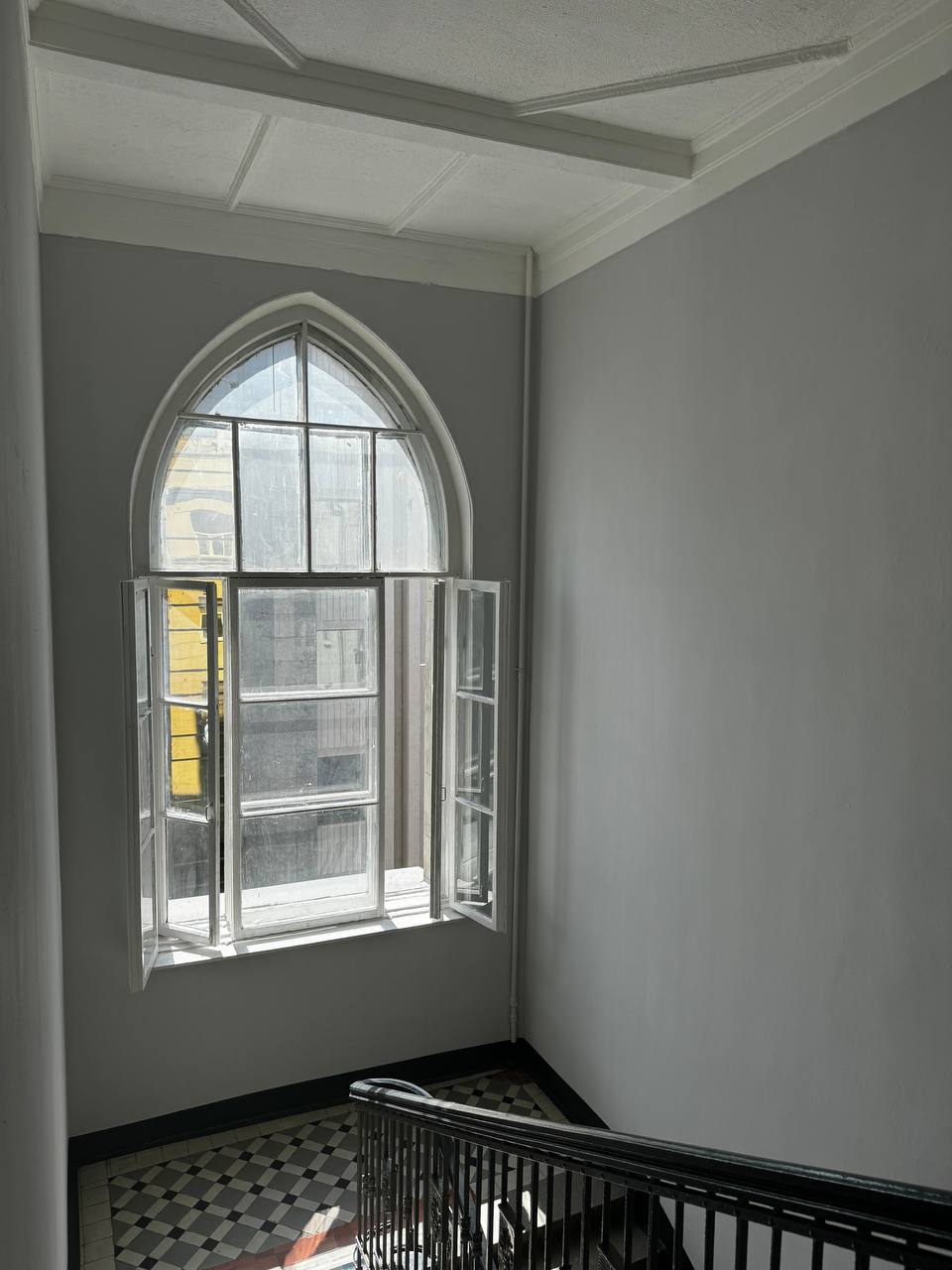
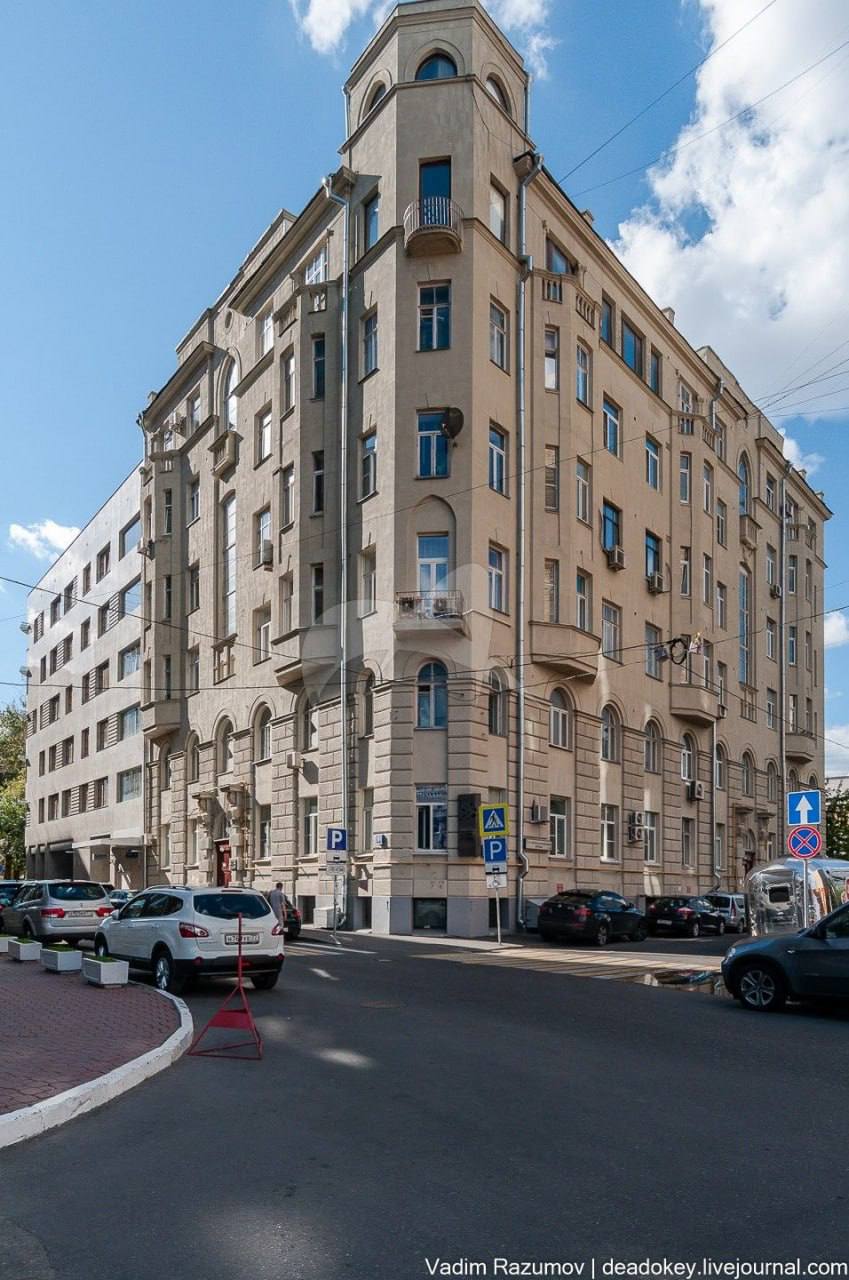
In 1913 Kandinsky, by then a thoroughly prosperous and thoroughly European artist, bought a plot in Dolgy Lane (today's Burdenko Street) for 31,500 roubles and commissioned the architect Dmitry Chelishchev to build a six-storey apartment block of 24 flats in the neoclassical style. At the top, on the roof, stood a corner turret with three windows, the only room in the entire building designed not to be let but for the owner himself. A modest studio for Kandinsky, not what one would call vast or luxurious.
And then a very recognisable plot from Russian history unfolds. When the artist returned to Moscow in 1915, he found his own turret let to tenants, and was obliged to live for a year in a hotel, then on the fifth floor of the same building, and only at the end did he reach the coveted studio. From these windows he painted views of Zubovskaya Square; a study of 1916 bears exactly that title.
By 1921 the revolution had completed the picture: expropriation, compulsory lodgers, a shared kitchen for six housewives. A memorial plaque mentioning Kandinsky appeared on the façade only in 2017.
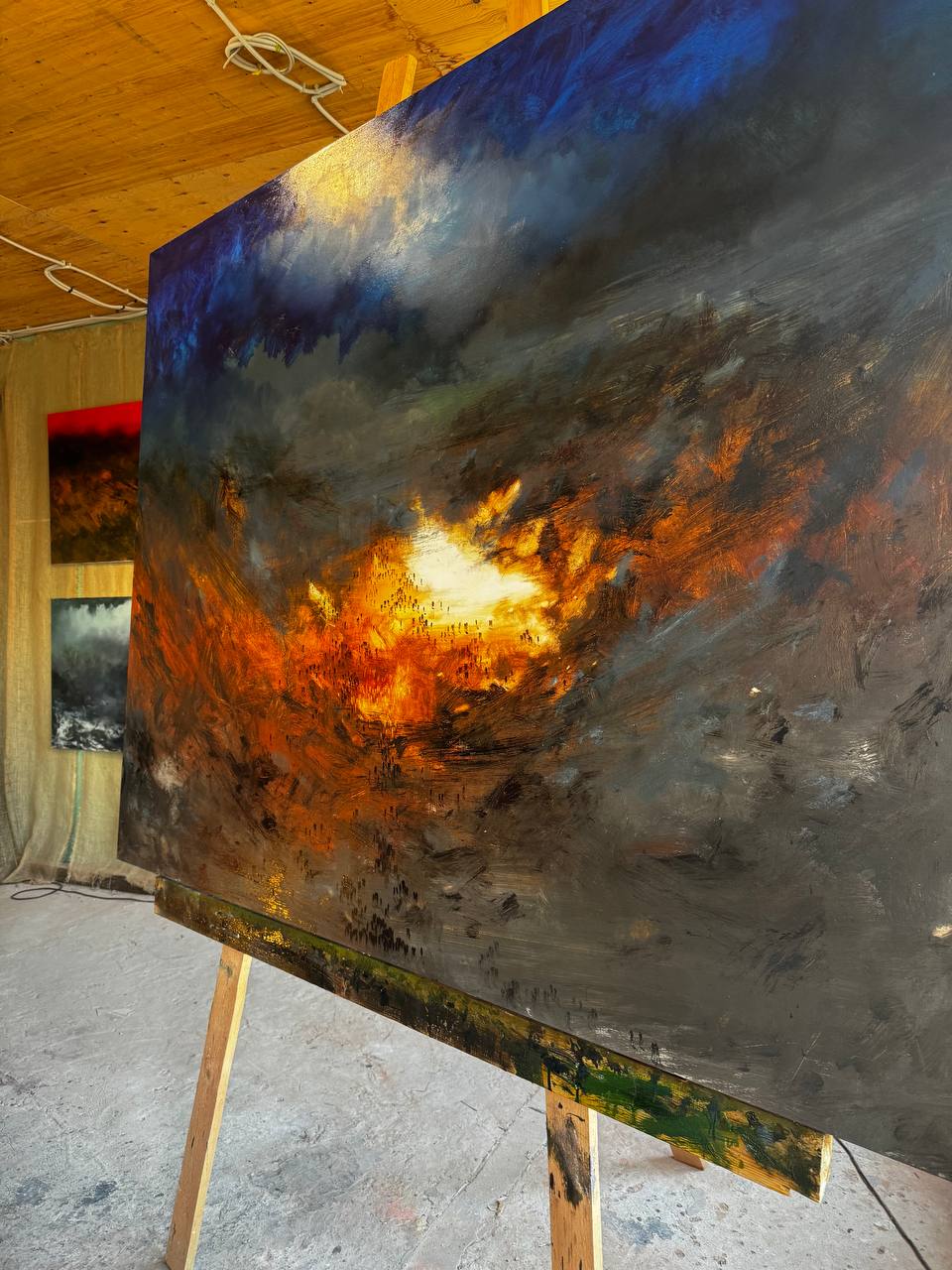
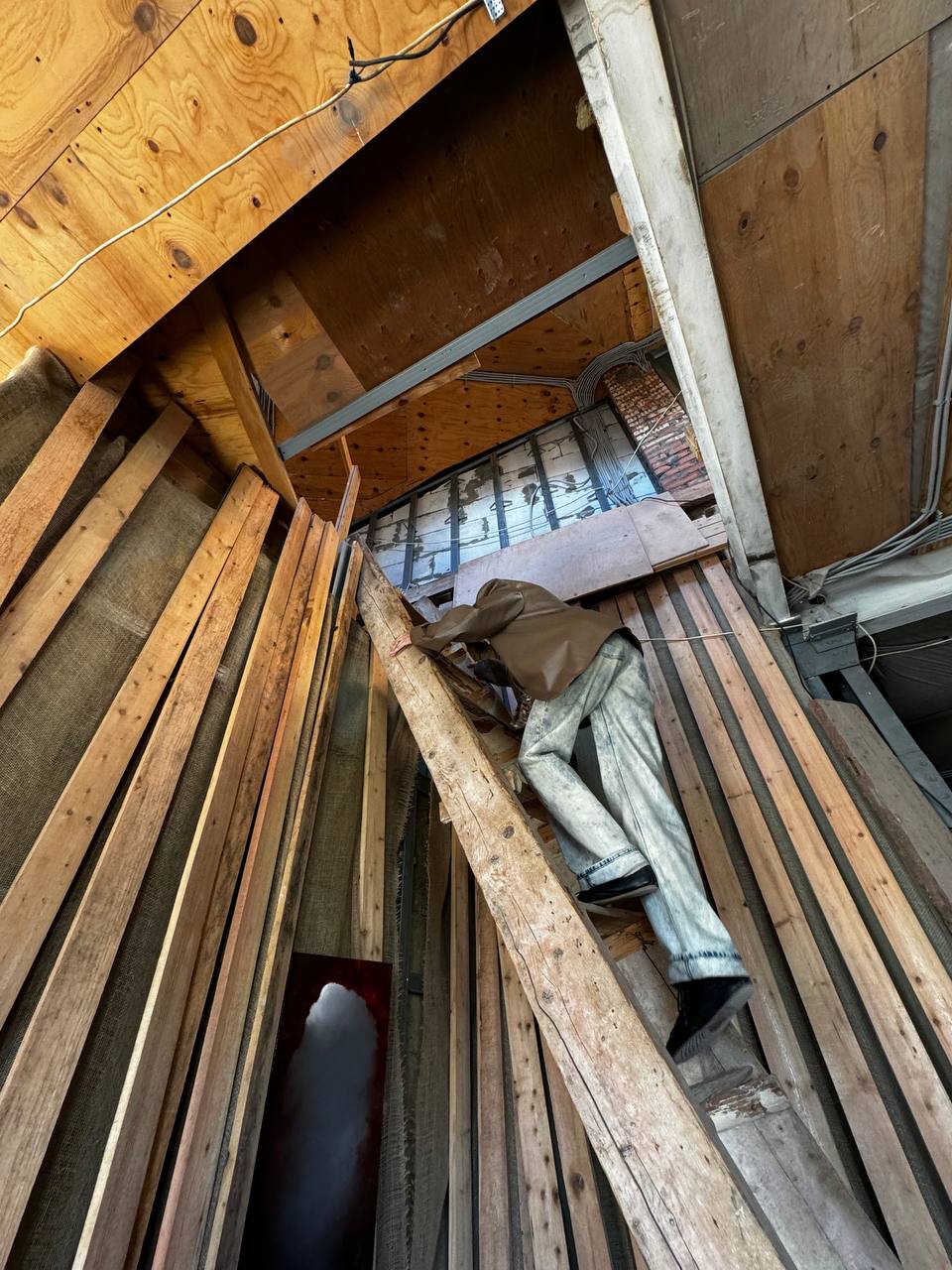
A little over 20 years ago the flat was bought by Natalya Stepanyuk, a Petersburger with a marketing agency and a good deal of media experience behind her, and for the next ten-odd years she spent her time restoring the turret to its proper form: she brought in old bricks from demolished Petersburg houses and stripped out the remnants of the communal flat. The owner gradually came to understand that she had no intention of turning her home into a memorial display case under glass in the former studio of a great Russian artist. So it was that a creative laboratory appeared in the flat. Of the atmosphere of Kandinsky's day only the walls and the panorama of the Garden Ring remain; in all else the spirit of the free arts is supplemented by young creative forces. Instead of the retrospective on Kandinsky that one would expect by default, and an attempt to recreate a memorial space, the first conversation about art held here is the project of the artist Daniil Arkhipenko, “Origins. Vologda. Kandinsky”, followed by an expedition to the very Zyrian villages where, in 1889, the famous resident's road to abstraction began.
The lady of the house calls the space a laboratory and promises collaborations with creative people of various professions, Abrikosov tea parties and all that sort of thing. It was very interesting to be a guest in a famous house I have walked past for many years. And that inside, in place of the museumification of a residential space which, to be honest, no longer has any connection with Kandinsky's name, there is such an unusual format, a residency, a creative loft, is only a pleasure. Here people will once again drink tea and talk about colour without having to sign a visitors' book. My congratulations on the opening of the tower to the owner, to the team, and to Muscovites