The Museum of Russian Impressionism is showing an exhibition devoted to one of the first glossy magazines of pre-revolutionary Russia, "Capital and Country Estate", which first appeared in 1913
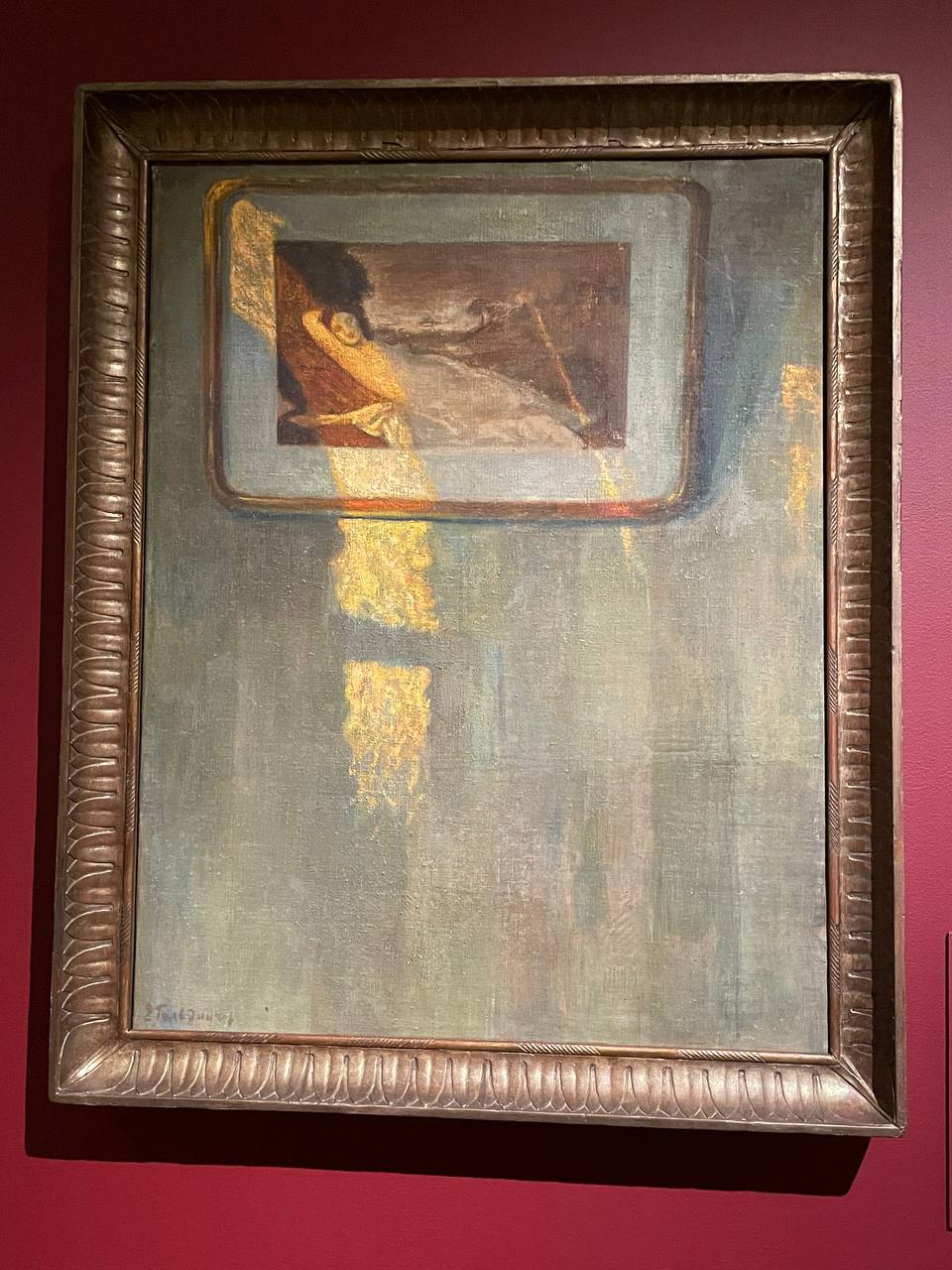
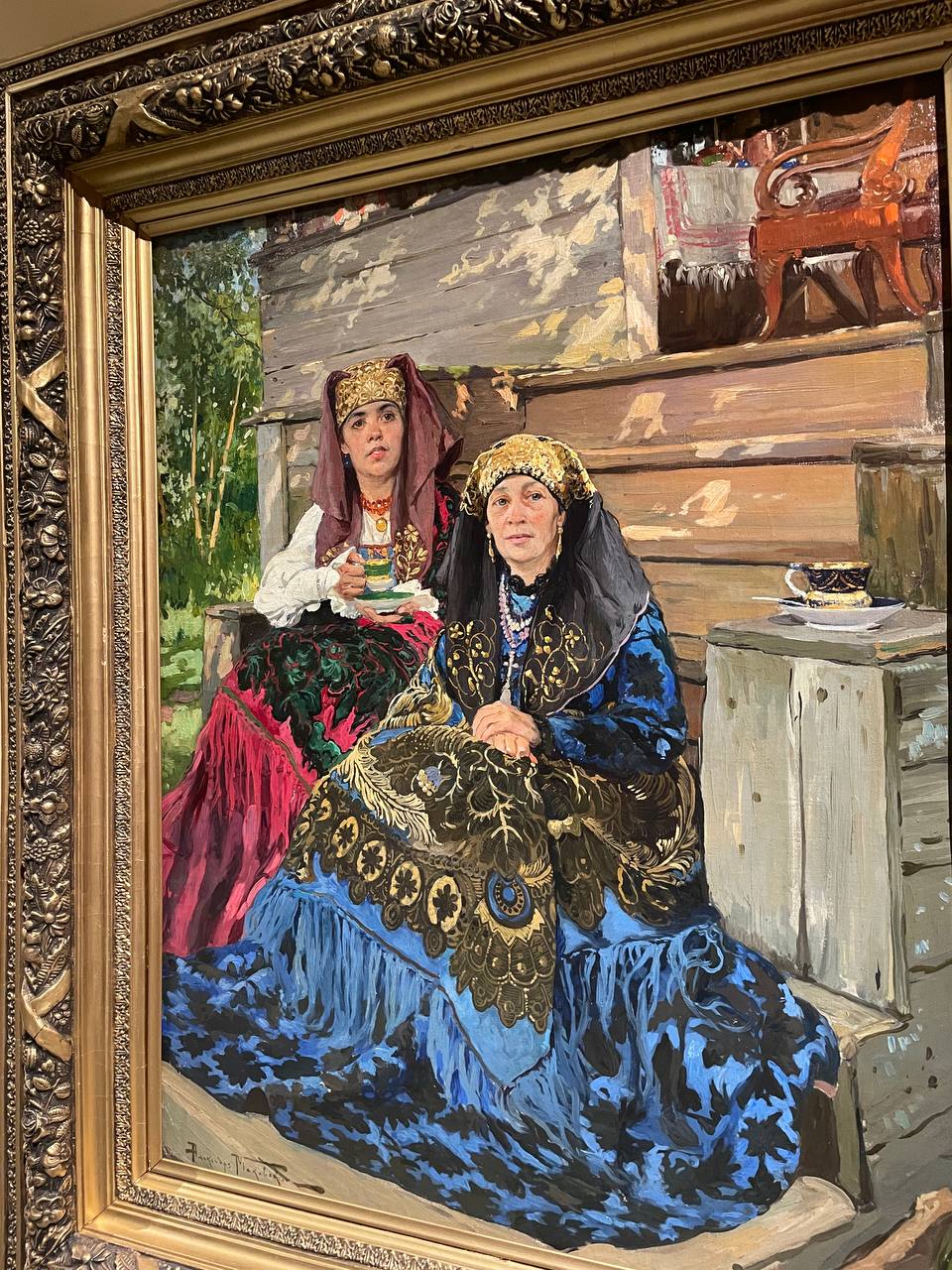
The Museum of Russian Impressionism is showing an exhibition devoted to one of the first glossy magazines of pre-revolutionary Russia, "Capital and Country Estate" (Stolitsa i usadba), which first appeared in 1913. The display brings together paintings from 44 museums and 14 private collections that either appeared in the pages of the magazine or were described by its critics. Pride of place goes to "In a Parisian Café" by Boris Grigoriev from his Paris series, to "Merchants' Wives" by Alexander Makovsky, in their motley traditional dress, to "Sunbeam" by Ekaterina Goldinger, and to "Oil Storage Tanks" by Anna Ostroumova-Lebedeva.
Special attention should be paid to the figure of the publisher of "Capital and Country Estate", Vladimir Pimenovich Krymov, who is little explored at the exhibition yet is of great interest. Krymov came from a poor Old Believer family. As a child he resolved to grow rich, and grow rich he did, by his own account in old age, not being squeamish about the means. The commercial approach left its mark on the structure of the magazine as well: even a present-day reader would be astonished by the sheer quantity of advertisements in it. Krymov was fond of the ideas of Nietzsche, wrote stories, travelled and engaged in trade: "In Petersburg before the revolution I was quite a prominent man and, despite my lowly origins… I was one of the insiders of the very highest circles, not in the least loving them, but trying to get to know that life, gone for ever."
In the pages of his "Society Magazine" Krymov wanted to see "only authors with either great names or at the very least titles!" The writer Roman Gul remembered Krymov thus: "Clever, dry, utterly indifferent to people, without any sentiment, only businesslike, and the aim of his 'business' was money."
After the February Revolution Krymov moved his capital to Sweden, and in April 1917 set off with his wife on a voyage round the world via Japan; at the beginning of 1921 he settled in Berlin. He left Germany in 1933, after the Gestapo searched his villa by night, Krymov's wife, Berta Vladimirovna Lovyanova, being Jewish. From Germany he moved to France and bought a villa in a suburb of Paris that had previously belonged to Mata Hari.