Two explanations for the origin of the Malay word belanda for primates and the Dutch
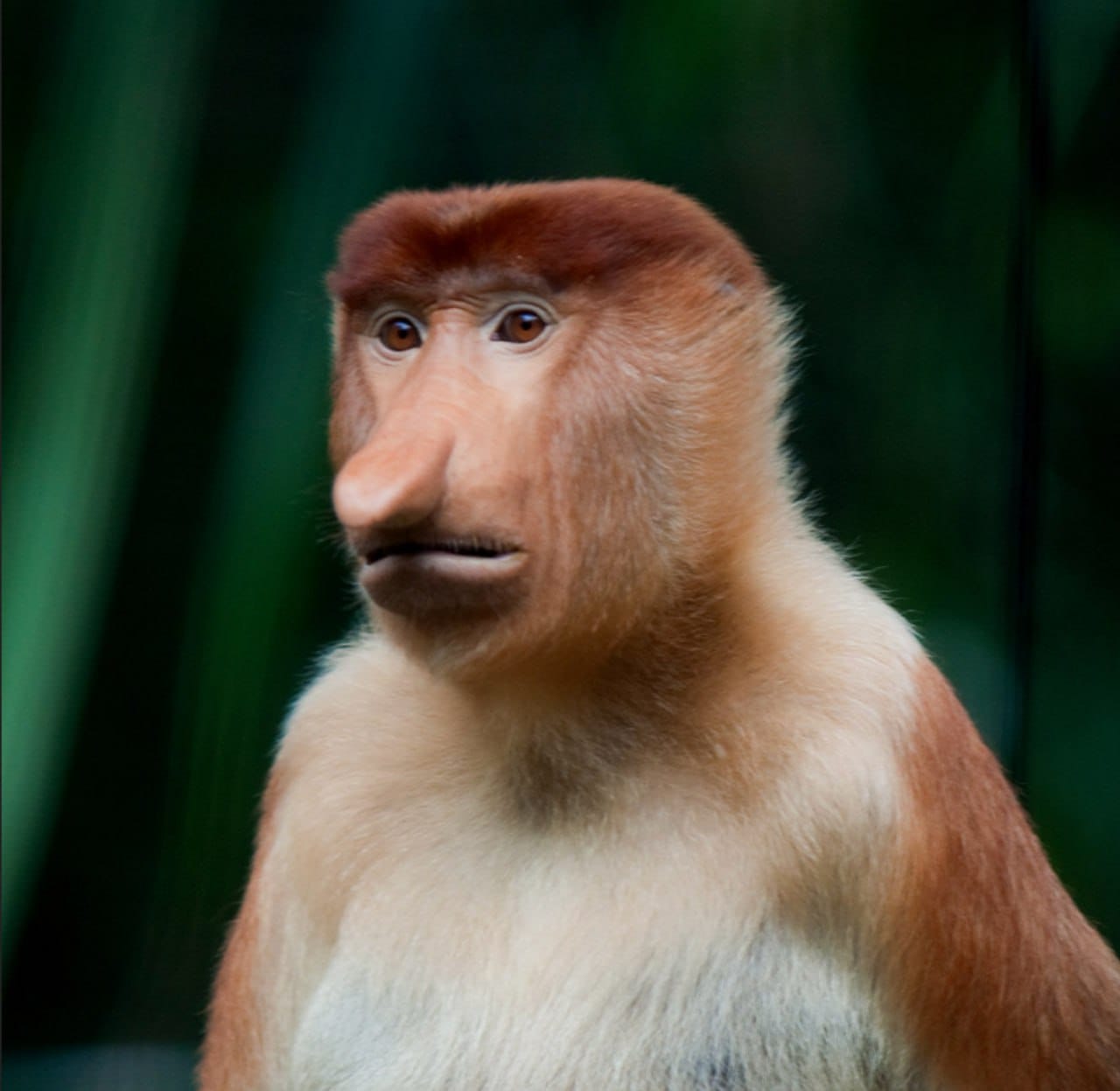
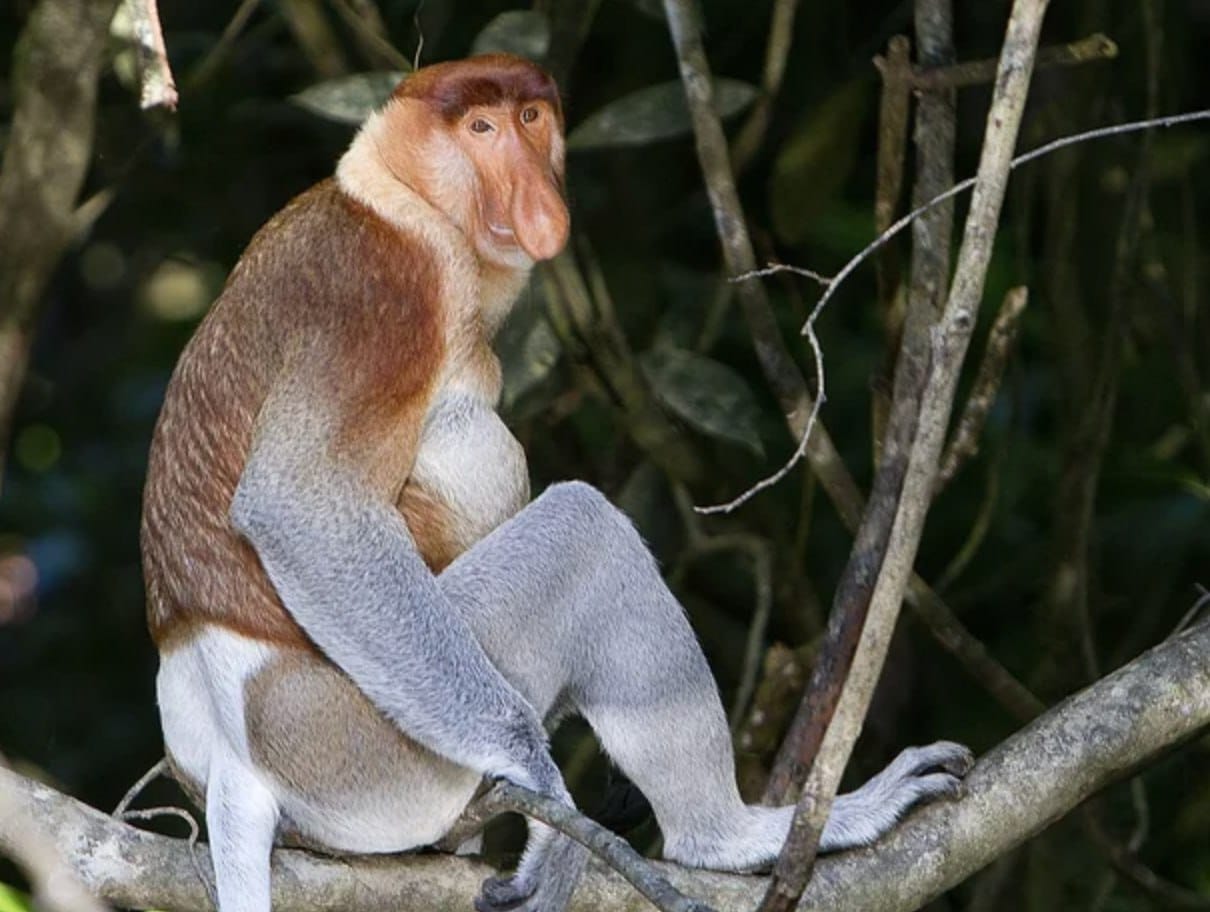
In Malaysia and Indonesia the proboscis monkey, or Nasalis larvatus, is called the Dutch monkey, or more precisely simply the Dutchman, literally orang belanda.
The curiosity has two explanations. The first is that with their faces these primates reminded the local population of the Dutch, who had once held colonial control over Indonesia. The second is that the word for Dutch in Portuguese is holanda, which sounds very much like belanda. The Malays made the acquaintance of the Portuguese during their struggle with the Dutch in the 17th century for control of Malacca, in the south of the peninsula, and, hearing the amusing resemblance, began to use it with enthusiasm.
Yet, as in the case of the English monkey in Brazil, the animal name for foreigners may be connected with the threat they pose to the local population, which for one reason or another cannot answer them with open opposition and sublimates its dislike and fear into mockery and comparison with primates standing a rung lower on the ladder