Byron's memoirs burned in London in 1824 by his publisher Murray and executor Hobhouse
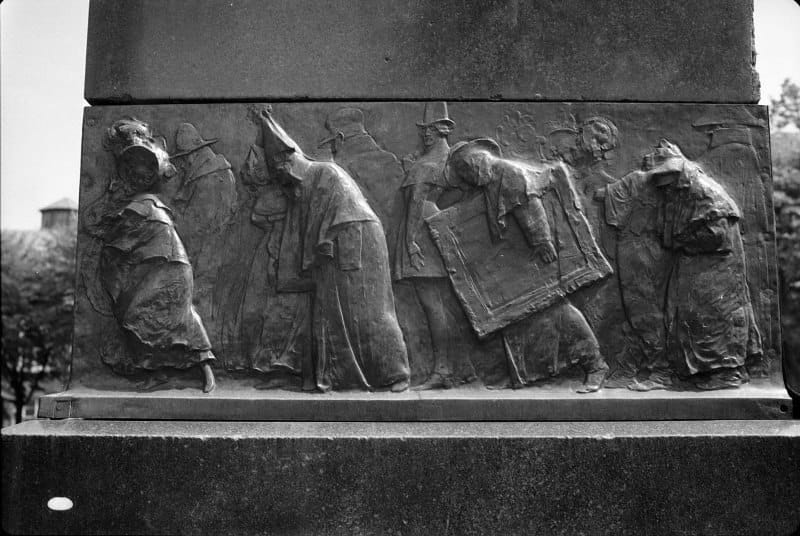
In May 1824 one of the greatest crimes in the history of English literature was committed in London. Barely a month after Byron's death, his memoirs were destroyed. And this was done in the presence of the poet's close friends and his executor.
Memoirs are usually permitted to be published twenty years after their author's death, unless he left other instructions. Byron did leave them. He wanted his memoirs to be published, and he left the rights to publication to his friend and biographer Thomas Moore. Moore, however, sold the memoirs to another of Byron's publishers, John Murray, who, together with Byron's executor John Hobhouse, decided that the poet's papers were too scandalous to be printed or indeed to exist at all.
The manuscript was burned.
The burning of the recollections of an outstanding Romantic poet caused a scandal in society. Probably the relatives insisted on it, fearing gossip and a first-hand account of the deceased's scandalous life. There were many rumours about Byron; it was even said that he had been involved in an intimate relationship with his own sister. He doubtless had something to tell, but his closest friends simply betrayed Lord Byron's will.