Weizmann Institute creates AI model that reconstructs images people saw from fMRI data
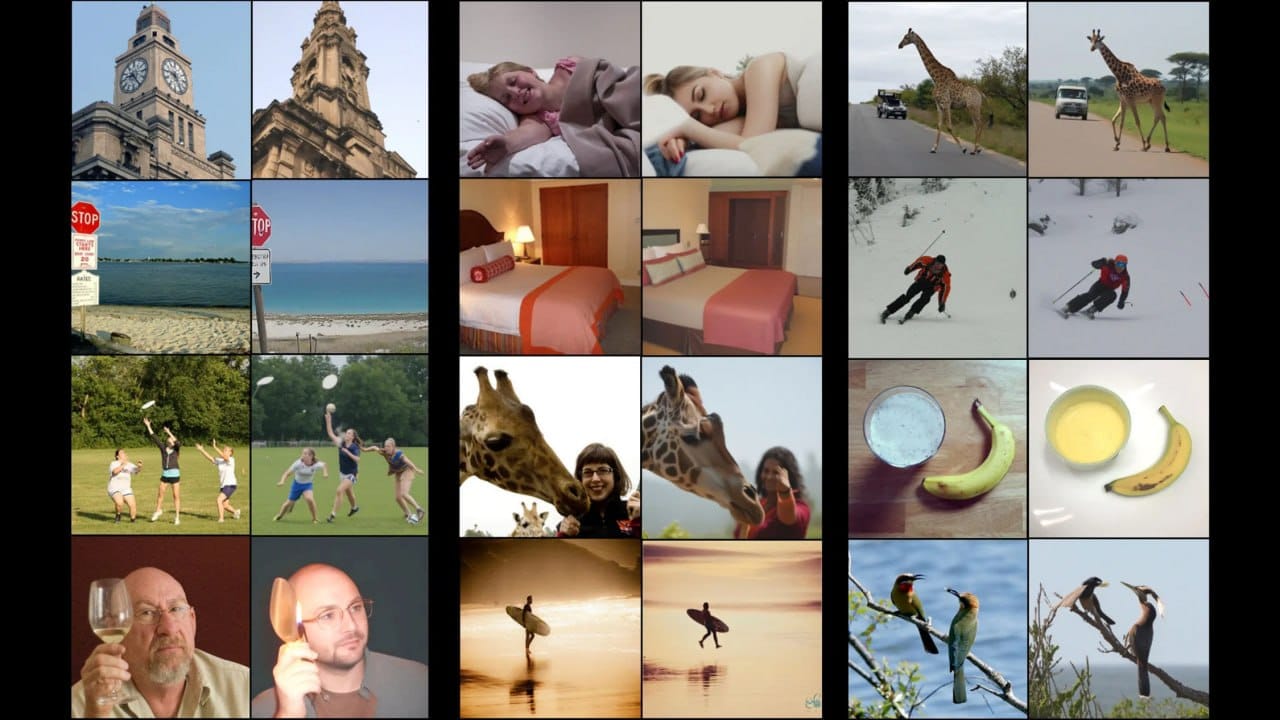
At the Weizmann Institute in Israel, researchers have created an AI model that, from a scan of brain activity, reconstructs the image a person was looking at during the scan.
The researchers used data from functional magnetic resonance imaging, or fMRI. This method tracks the flow of oxygen-rich blood to areas of the brain and thereby shows which of them are active. Earlier models guessed only the content of a picture, whereas the new model reproduces its composition as well. It still makes mistakes: it turned a cake into three sandwiches, and a dog into a goat.
Helping the completely paralysed is only one of its applications. First and foremost the model is intended for neuroscientists: the team has already found areas of the brain that respond in the same way in all the subjects, for example to food or to sport. Next, the scientists plan to reconstruct imagined images and dreams. This would help to understand what flashbacks look like in post-traumatic stress disorder, that is, involuntary intrusive memories of a trauma.
Other scientists warn of the risks. Similar methods are already being transferred to EEG, electroencephalography, which records the brain's electrical activity through electrodes or even through headphones. Marcello Ienca of the Technical University of Munich believes that companies will be able to extract information from a user's brain without their consent, and that courts may accept reconstructed mental images as evidence