Georgia Yields the Earliest Physical Evidence of Bread Wheat Anywhere in the World
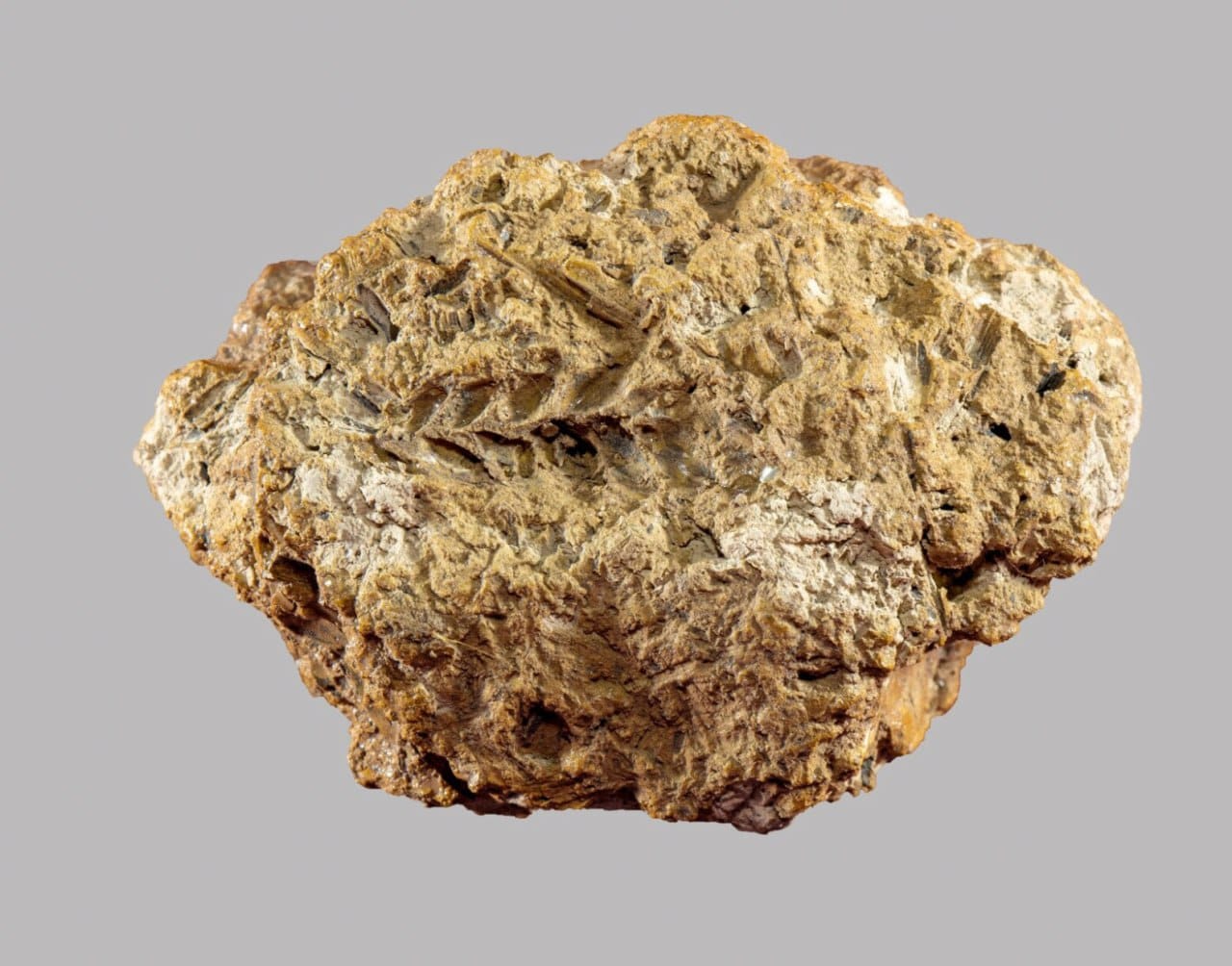
On the hills of Shulaveri and Gadachrili in Georgia, archaeologists led by David Lordkipanidze have found charred grains, impressions of ears in mudbricks and seeds of wild goat grass some eight thousand years old. A laboratory at the Weizmann Institute has confirmed the radiocarbon dating: 5800-6000 BC.
The point here is not the age of the find but something else: for the past twenty years geneticists have pointed to the South Caucasus as the probable place where domesticated wheat hybridised with wild Aegilops tauschii, yet without archaeological evidence the hypothesis hung in the air. Now there is some.
Bread wheat, which today makes up 95% of all the grain consumed in the world, was born neither in Mesopotamia nor in the Nile valley, but on the territory of present-day Georgia, western Azerbaijan and Armenia, within the Shulaveri-Shomutepe culture. The very same culture that, a few years earlier, gave science the oldest traces of winemaking. It turns out that the staples of the civilised table, bread and wine, were devised on the territory of Georgia before anywhere else