Polish archaeologists date millet consumption in Poland to around 1590 BC
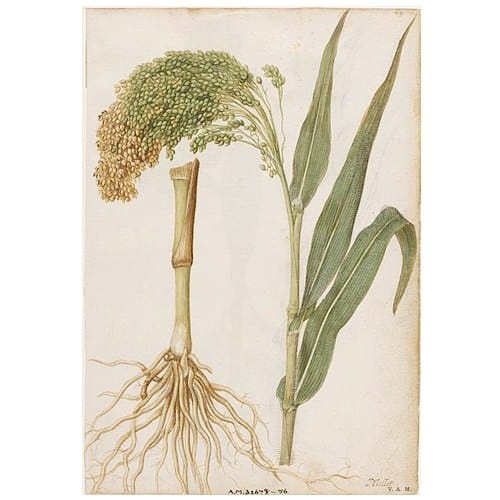
In ancient ethnography, millet was mentioned chiefly as one of the crops of the "barbarian" steppe. Herodotus wrote that the Alazones and other farming Scythians sow grain, onions, garlic, lentils and millet.
Pliny the Elder, in his "Natural History", relates that in the south of Italy a fine white porridge is boiled from millet and bread of astonishing sweetness is baked. He also remarks that the Sarmatian peoples live chiefly on this porridge, and even on raw flour, to which they add only mare's milk or blood drawn from a horse's thigh.
And now a study has appeared that pushes back the consumption of millet, for instance in the lands of Poland. Polish archaeologists have established that millet was grown and eaten here around 1590 BC, fifteen hundred years before Herodotus.
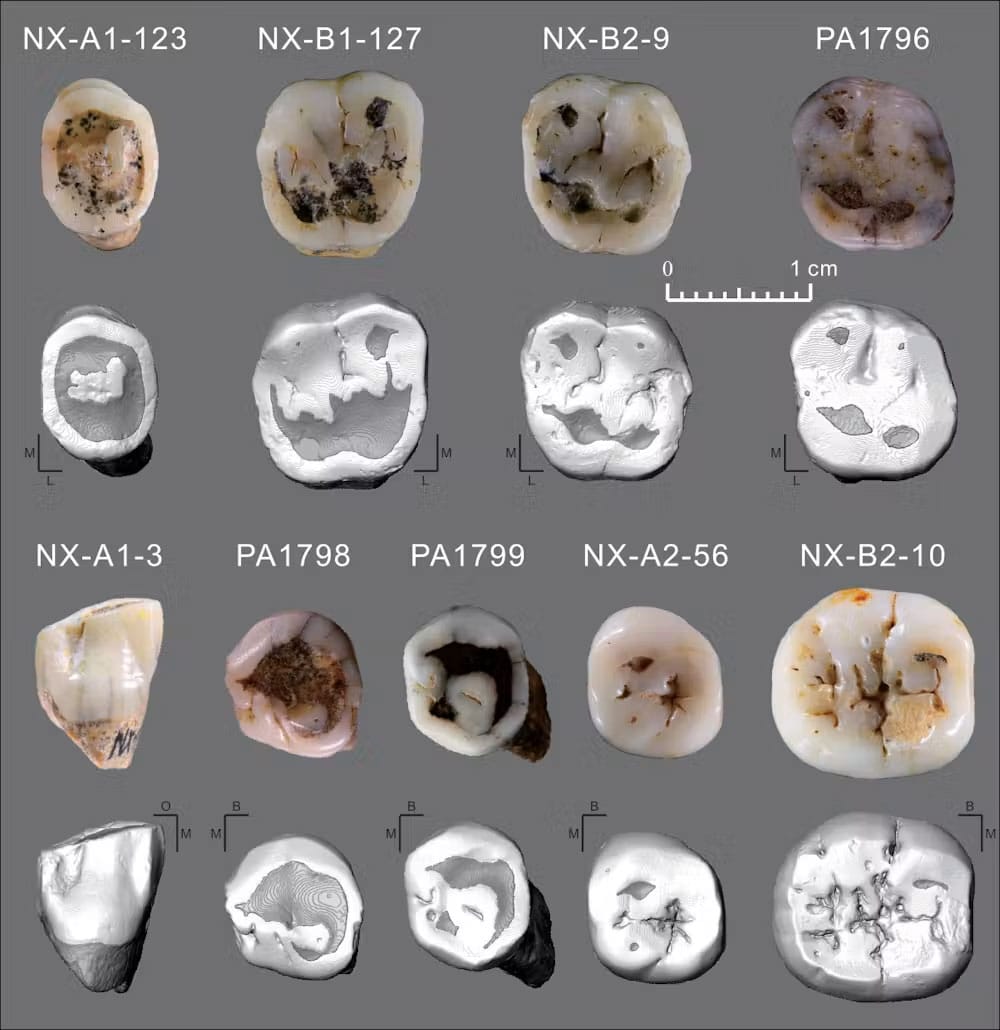
The researchers analysed isotopes in the teeth and bones of more than 190 people from sites dated between 2200 and 1000 BC. From the ratio of carbon isotopes in collagen, the scientists can judge that the local farmers took up millet gradually. One of the authors of the study explains that the new plant did not bring about an upheaval in farming and did not wholly displace wheat or barley. People who ate millet and people who did not had similar archaeological and genetic characteristics. The earliest consumers of millet, moreover, came from the south-east of Poland.
The oldest known consumer of millet in Central Europe, however, was found in a Bronze Age burial at Pelhřimovice in Czechia.