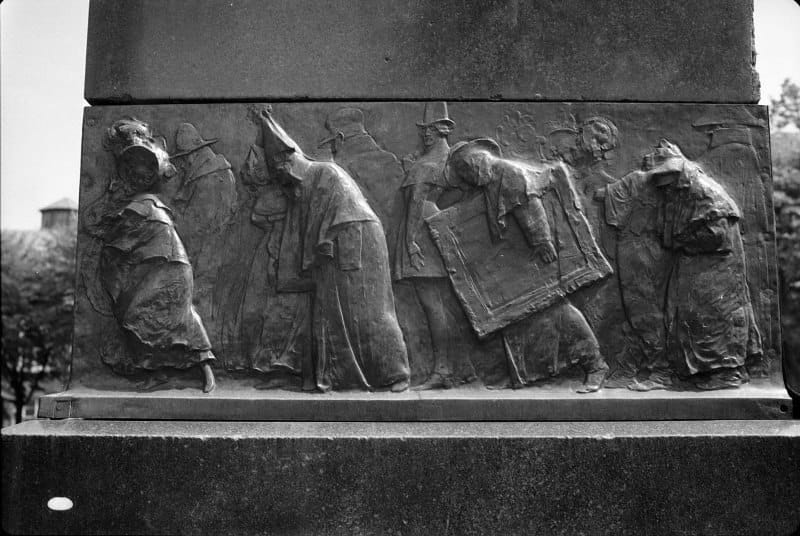
Francis of Assisi's pact with the wolf and the Russian tradition of pacts with evil
Francis of Assisi has a tale of how he struck a bargain with a ferocious wolf. Francis was displeased that the wolf preyed not only on animals but also made attempts on people, who bear the image of God. And so the medieval saint proposed a pact to the wolf: in exchange for its leaving them unharmed, the inhabitants of the neighbouring town promised the wolf a supply of food and peace. And the pact held, until the wolf died a natural death.
In the Russian medieval tradition there are no such examples of a pact with the forces of good. There is no service to Dulcinea of Toboso, no dubbing to knighthood, no halo of sanctity about the seals; there is only the pact of the bear and the peasant, only relations at the level of man and man or man and evil, both with a negative connotation. And the resolution of such a pact can lie either in the deception of the evil forces or in repentance, because keeping an agreement with the devil would have been a sin.
The Russian tradition resembles the mores of pagan Rome, in thrall to deep and hidden magical foundations. And I like it better than the European one.