News of Progress in Talks between Greek Officials and the British Museum on the Repatriation of the Parthenon Sculptures Stolen by the English: a Tangible Shift May Be Coming on the Return of the "Elgin Marbles" to Greece
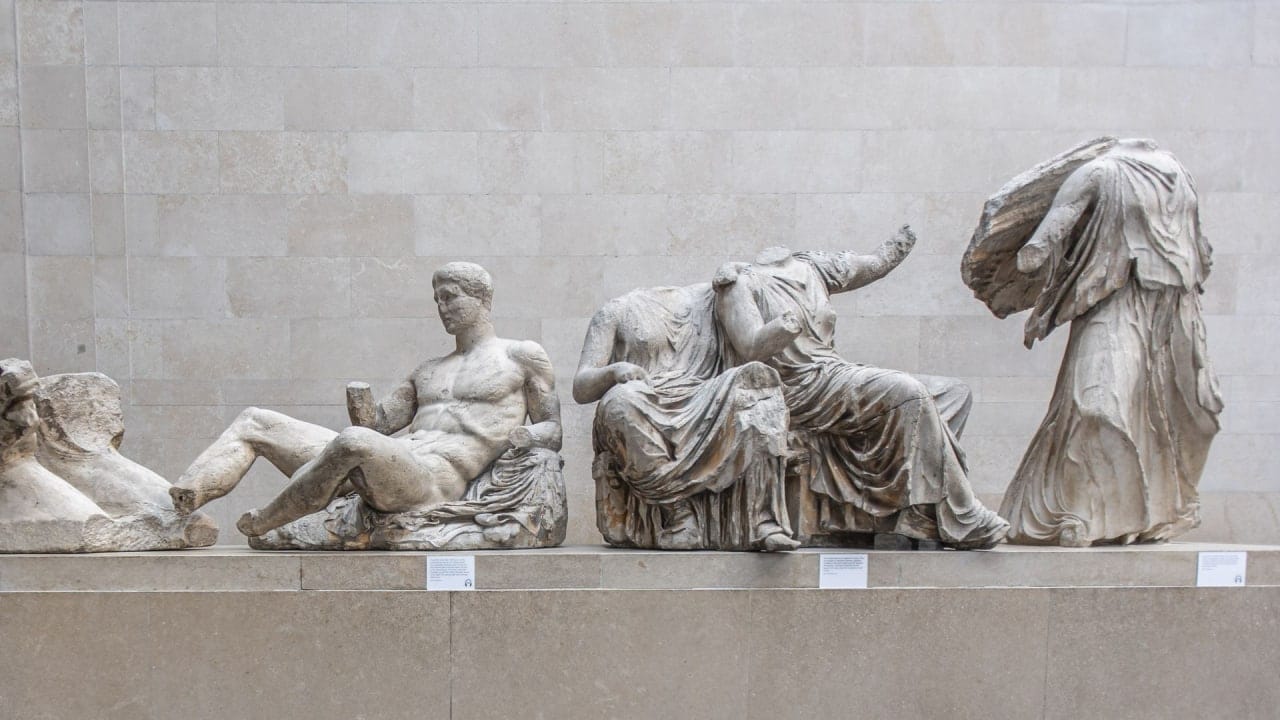
Firstly, strange as it may seem, after decades of Greek demands the sculptures and the frieze of the Parthenon are still in England. UNESCO proposed back in the summer that the matter be settled at intergovernmental level, and not long ago Greece demanded that the return of the stolen sculptures be included in the trade agreement between Britain and the EU.
Secondly, the Greek minister Gerapetritis has confirmed that negotiations are under way, and rather successfully, though these are still preliminary discussions. The Greeks are not prepared to accept the masterpieces on loan if formally they remain British property; on the contrary, they offer, in exchange for their final return, the chance to display at the British Museum exhibits that have never before left Greece.
Thirdly, the British Museum, though it has consented to dialogue, says that it has no intention of demolishing its own great collection, which represents the history of all humanity. One of the counterarguments cited is also a British law forbidding the export of masterpieces.
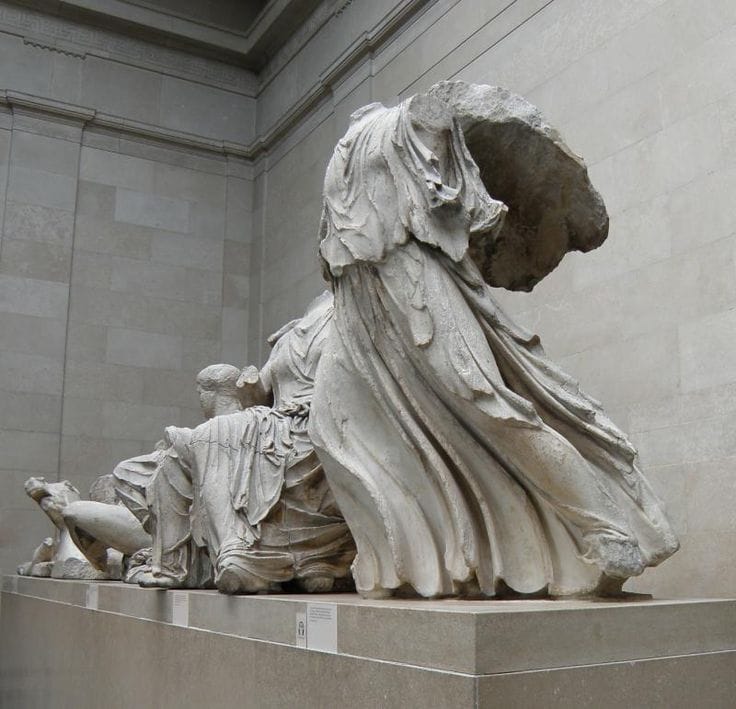
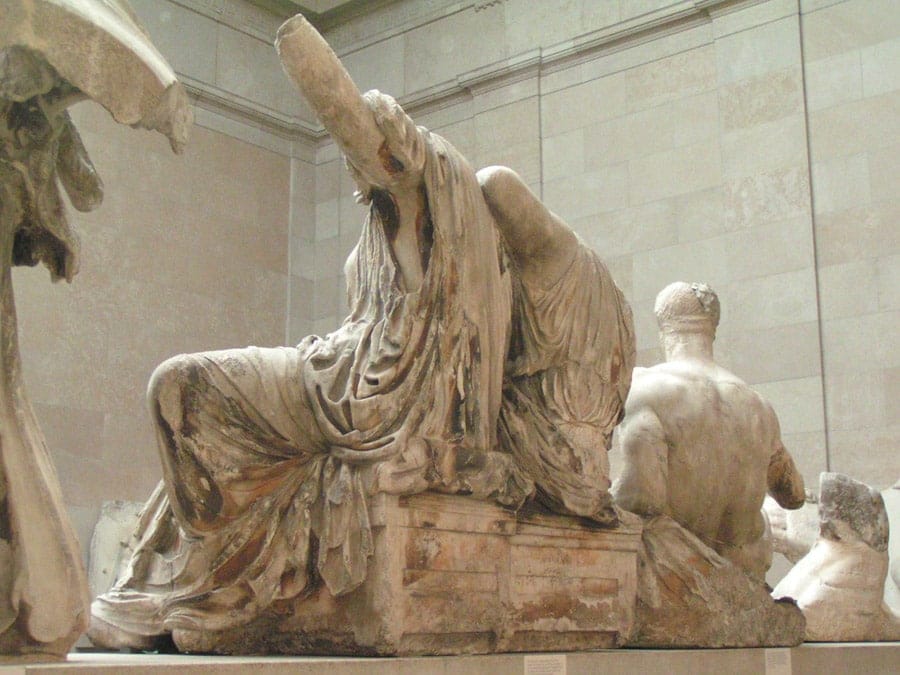
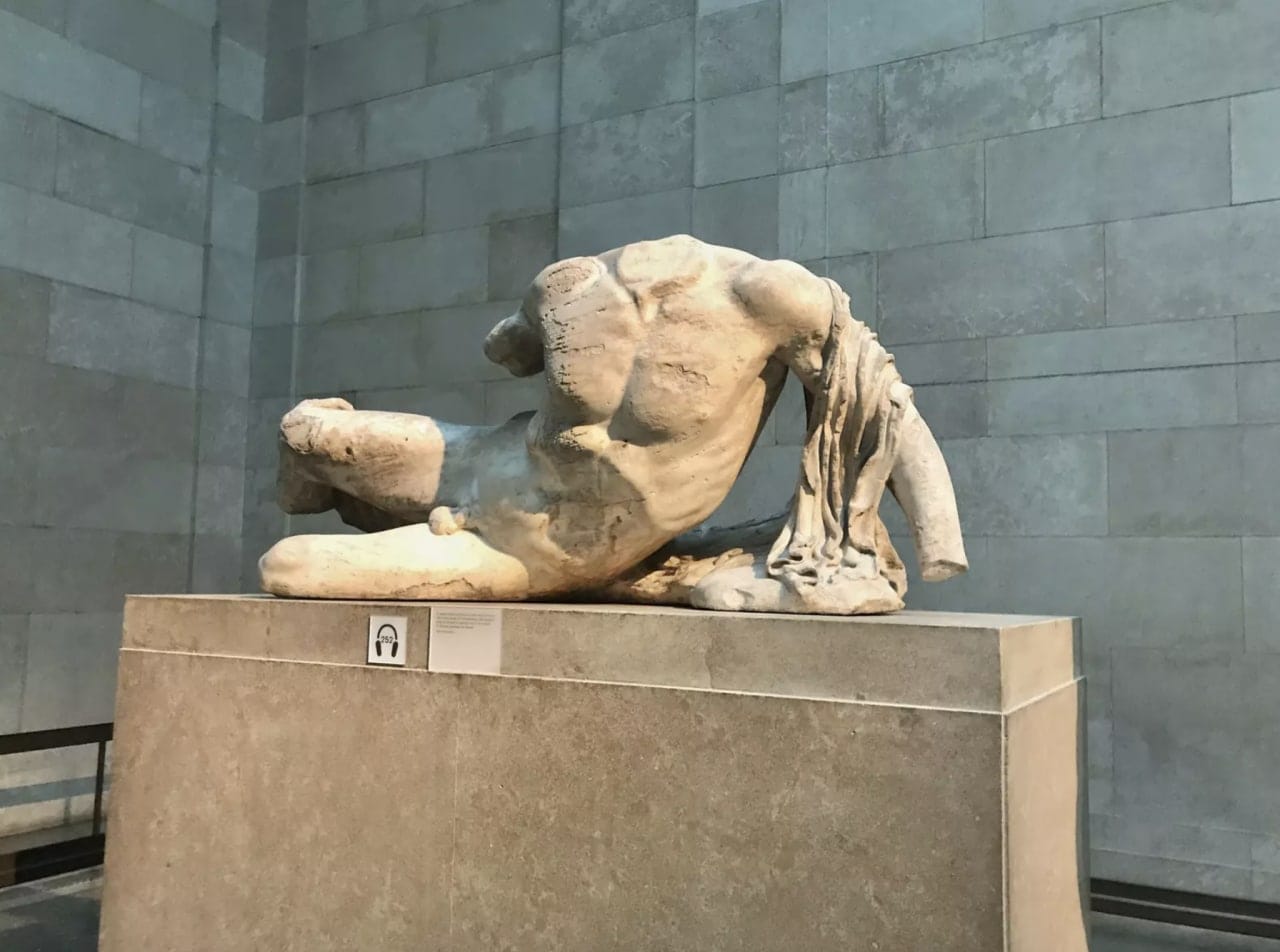
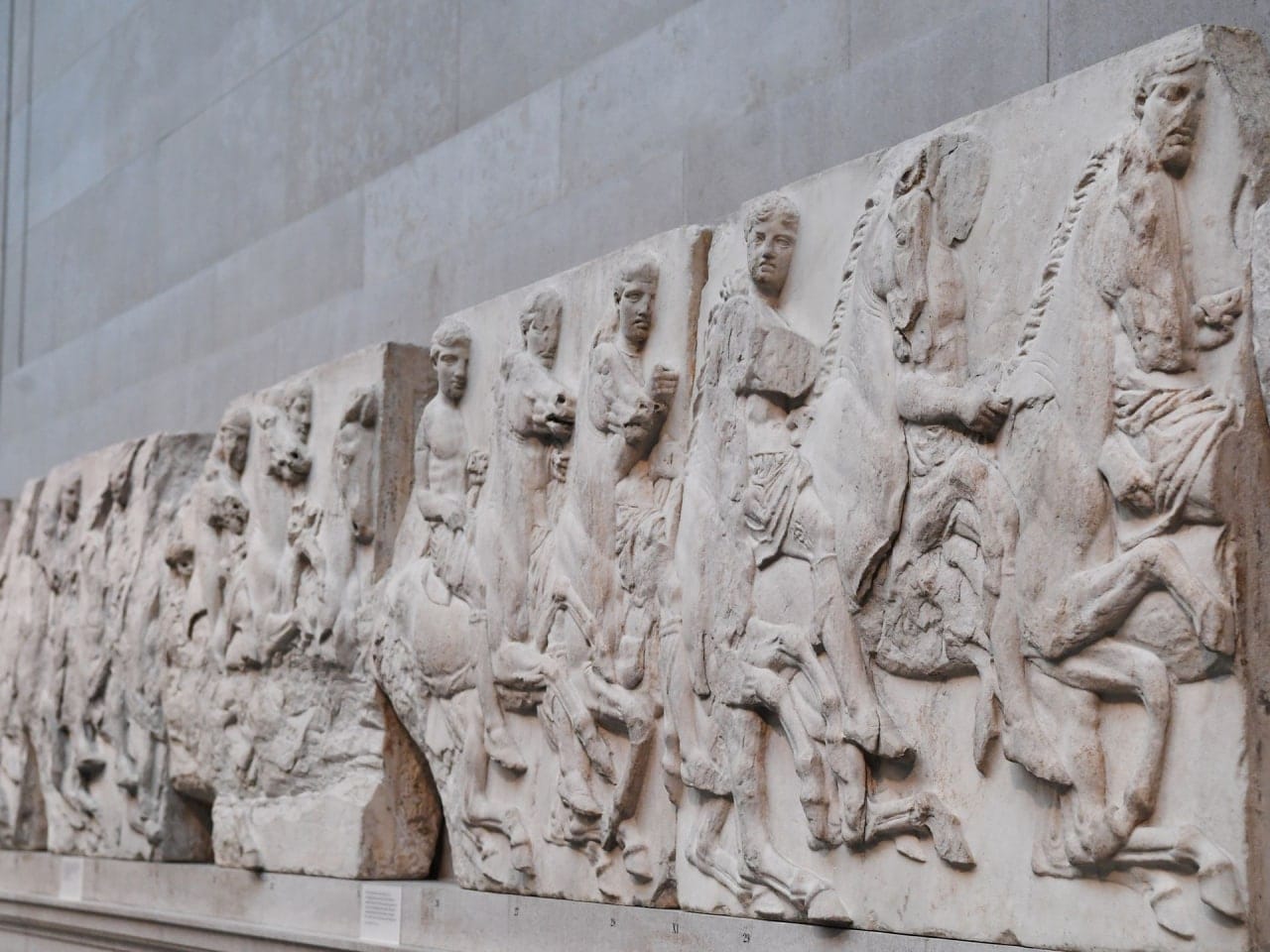
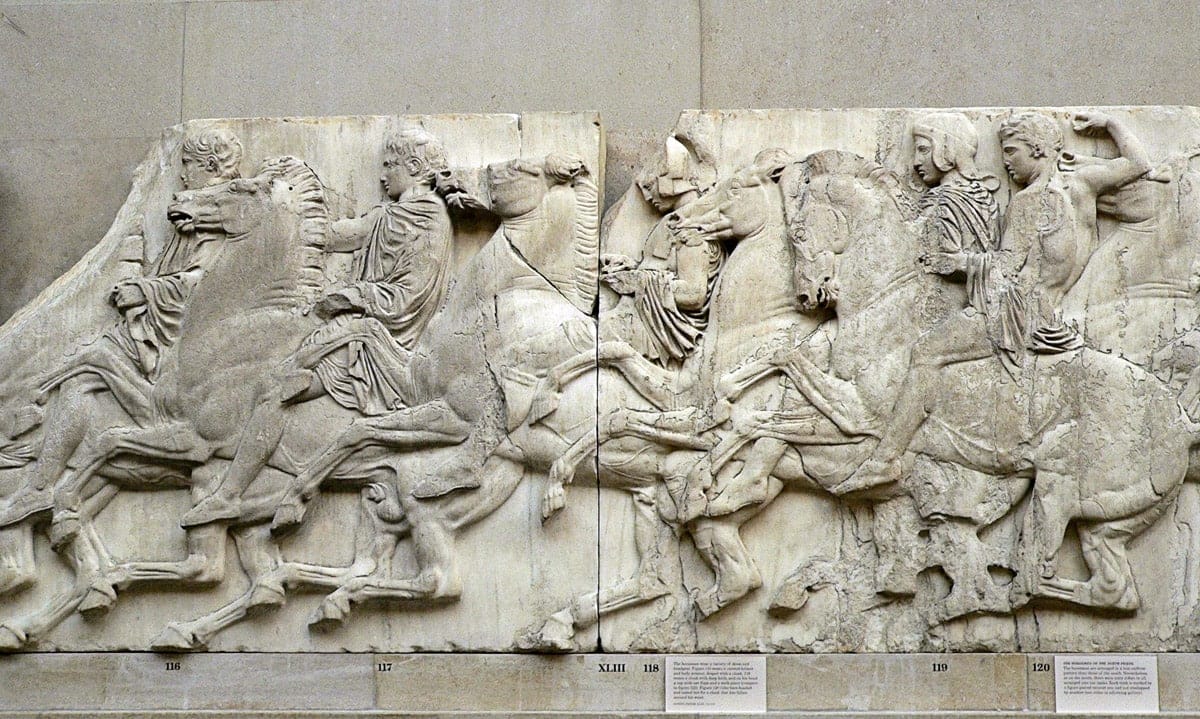
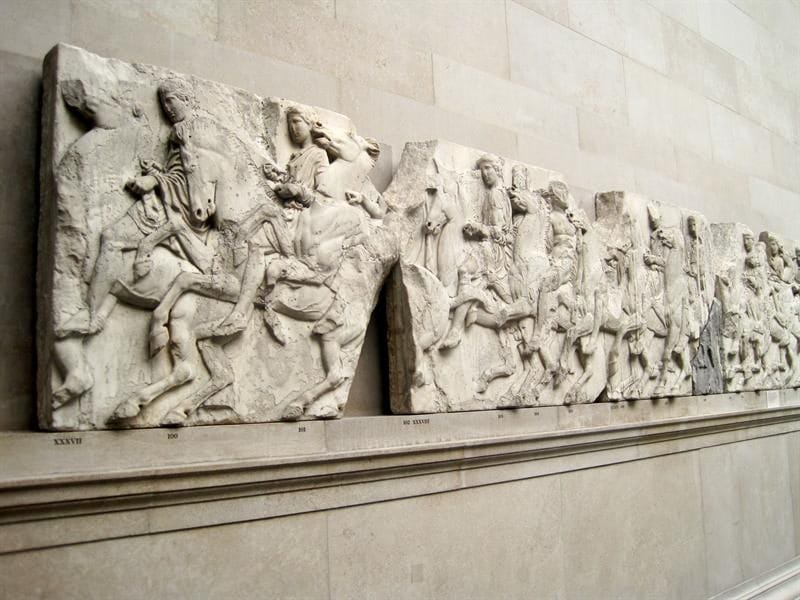
Today Greece possesses no more than half of the surviving Parthenon sculptures; the rest are in the British Museum. Of the 160-metre frieze, 75 metres are in London. The sculptures were removed from Athens more than 200 years ago by Lord Elgin, who was then ambassador to the Ottoman Empire. He intended to adorn his Scottish estate with marble from the Acropolis. By his account, the Ottoman authorities gave him permission to collect the fragments scattered about the monument and to take them away. In reality, the overwhelming majority of the sculptures were not gathered from the ground or dug up but quite literally torn from the walls of the temple, and the slabs were in fact barbarously cut out with saws. In 1816 Elgin, ruined and ravaged by syphilis, put the stolen treasures up for sale, and that is how they came into state ownership