Specialists at the National Gallery of Denmark in Copenhagen intend to use atomic oxygen, a substance found naturally in low Earth orbit, in the restoration of works on paper, reports The Art Newspaper Russia
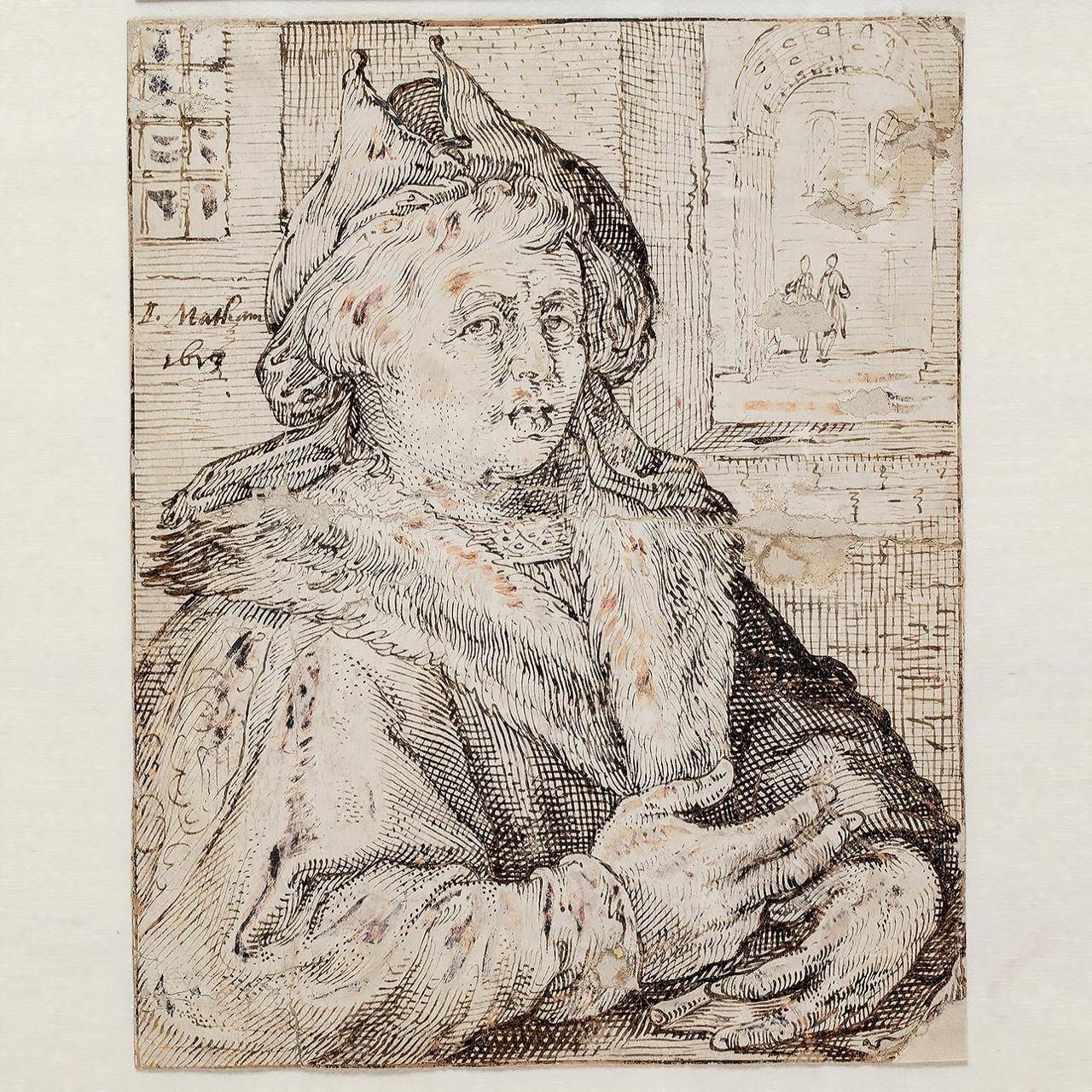
Lead white enjoyed wide popularity from ancient times until the twentieth century, when it fell out of use. Lead white sometimes darkens very quickly. Traditionally, hydrogen peroxide, in the form of vapour or gel, is used to lighten discoloured areas, but these methods carry the risk of damaging other materials used in the making of the work of art.
The team of experts studying degradation processes and developing new conservation methods for the graphic art collection of the National Gallery of Denmark in Copenhagen proposes a fundamentally different approach: the use of atomic oxygen. This is a highly reactive form of oxygen found in low Earth orbit. NASA scientists investigated its effect on the surfaces of spacecraft, and later its potential for cleaning objects of cultural heritage.
The method was already tested in 1997, when, at an event hosted by the house of Chanel at the Andy Warhol Museum in Pittsburgh, one of the guests left a lipstick print on Warhol's painting Bathtub (1961). Traditional means failed to remove it, but exposing the canvas to atomic oxygen eliminated not only the stain but also a number of hidden impurities, as well as an extremely thin layer of paint.
The researchers are now running tests on mock-ups and samples with various types of contamination in order to optimise the protocols, and plan to build a laboratory prototype of the apparatus by the end of 2026.