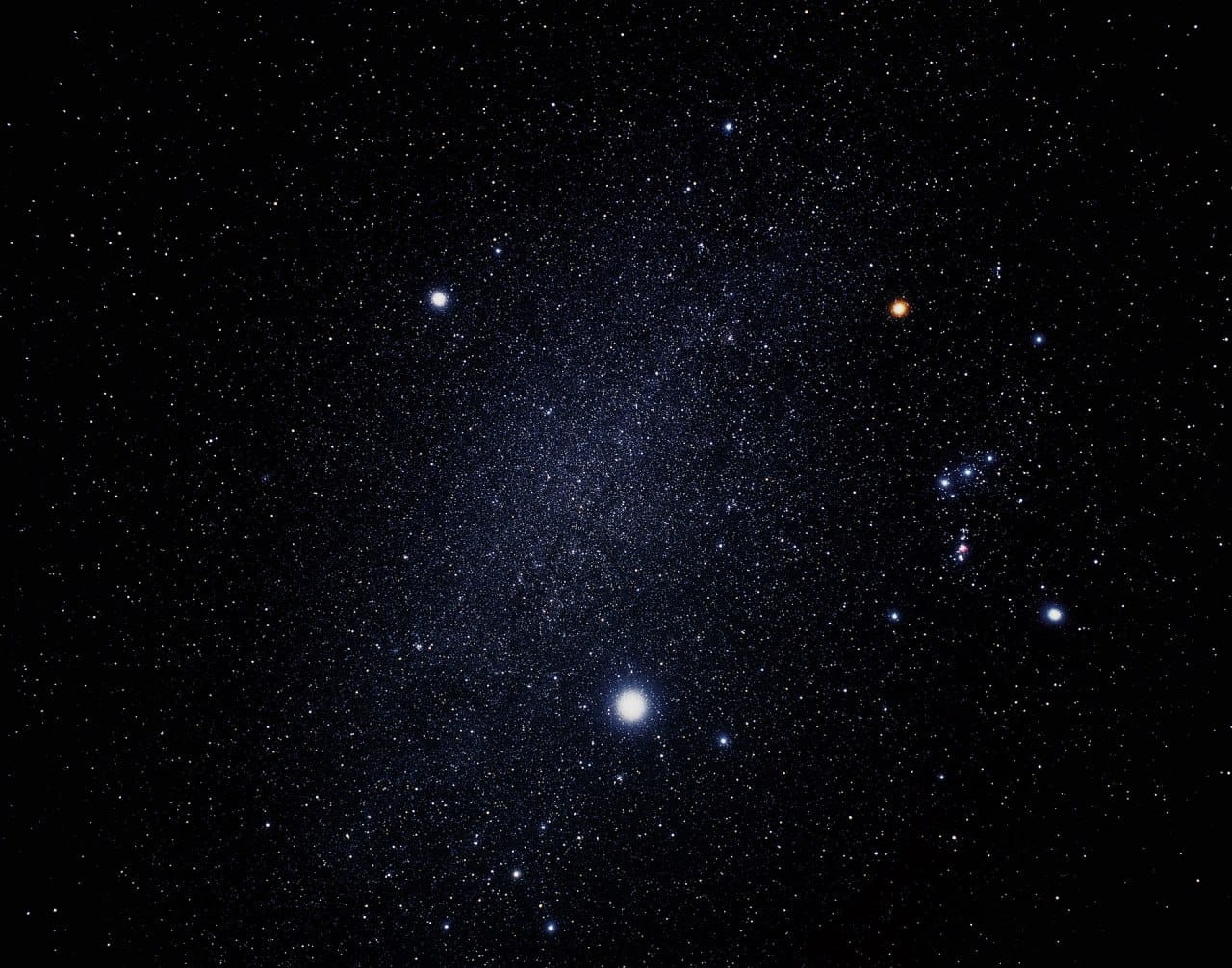
The history of Canis Major and Sirius, from bow and arrow to the hound Lelaps
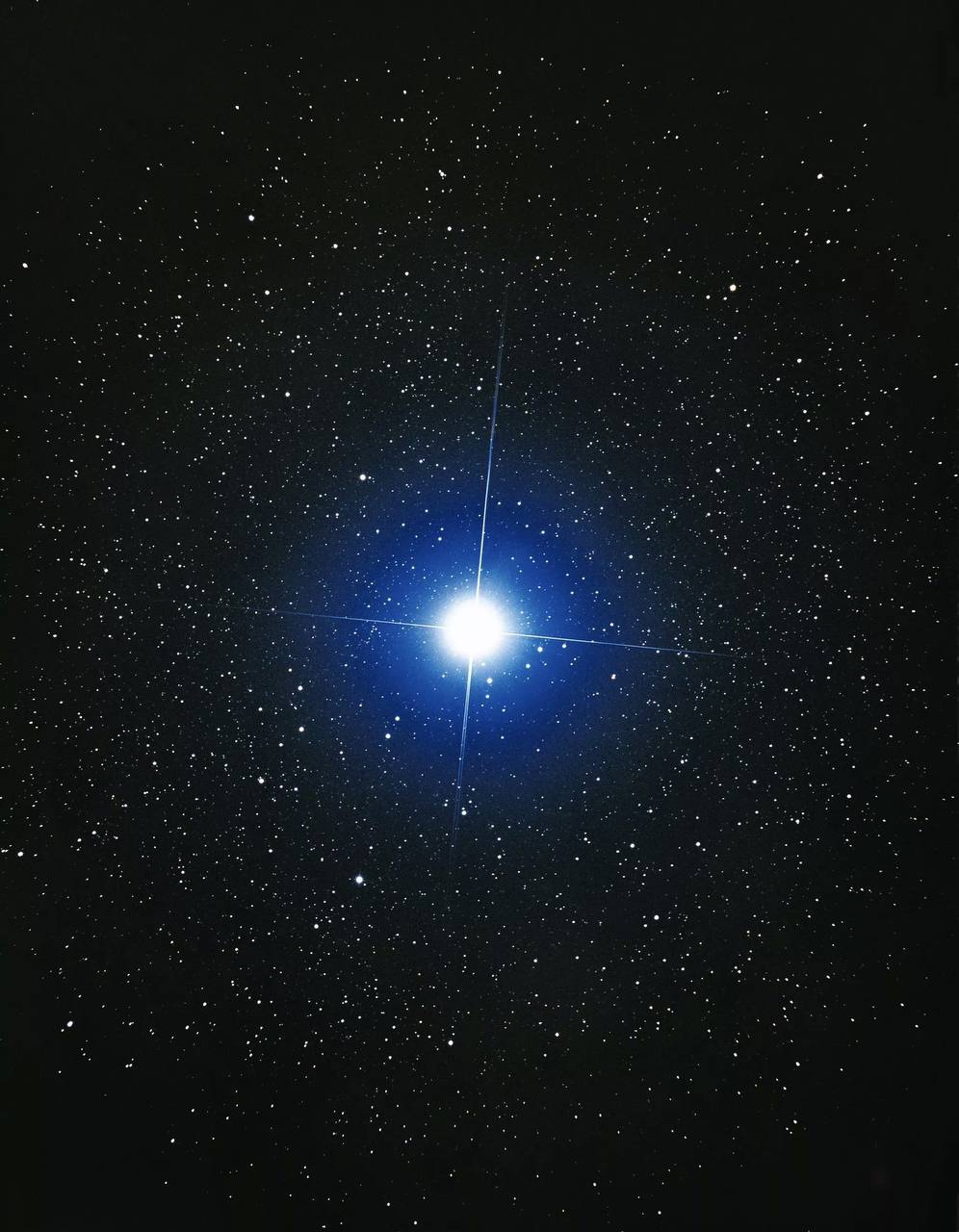
Sirius is the brightest star in the night sky, but in fact it can be seen in the daytime sky too, if you know where to look. It is also known as the Dog Star, or Alpha Canis Majoris, for its reliability, constancy and unrivalled ability to help people find their way.
Oddly enough, the constellation of the Great Dog was not originally canine at all. In ancient Mesopotamia, and for another 10,000 years, it was known as the bow and arrow, until the ancient Greeks carried out a major rebranding of the starry sky. The most important of the constellations they named after Laelaps, a hound marvellous in his own way, from whom no one could escape, and whom Zeus for that very reason set to guard Europa.
In the days before the navigator on your phone, stars were the chief means of navigation for sailors and overland travellers alike. And it was the dependable Laelaps who set the direction and, like the mythical hound that unfailingly overtakes its quarry, never let anyone down either. The brightest star of the constellation came to be called Sirius. Only in the nineteenth century was it established that Sirius is in fact two companion stars, which is, if anything, an even more doglike story. The brighter star was named Sirius A, the fainter one Sirius B.
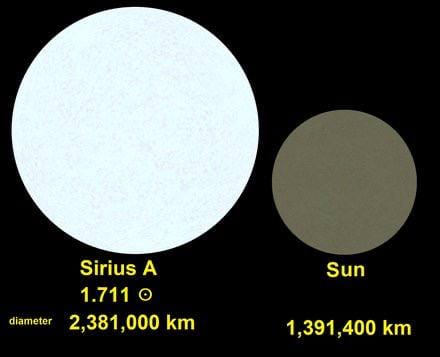
Sirius A, as you can see, is considerably larger than the Sun. It is the sixth brightest object in Earth's sky after the Sun, the Moon, Venus, Jupiter and Mars.
In roughly 11,000 years Sirius will no longer be visible in Europe, but until then, I am sure, it will reliably guard the beauty against every danger.