The simplest block-shaped Egyptian sculptures of the Middle Kingdom are found in burials and capture the image of the deceased
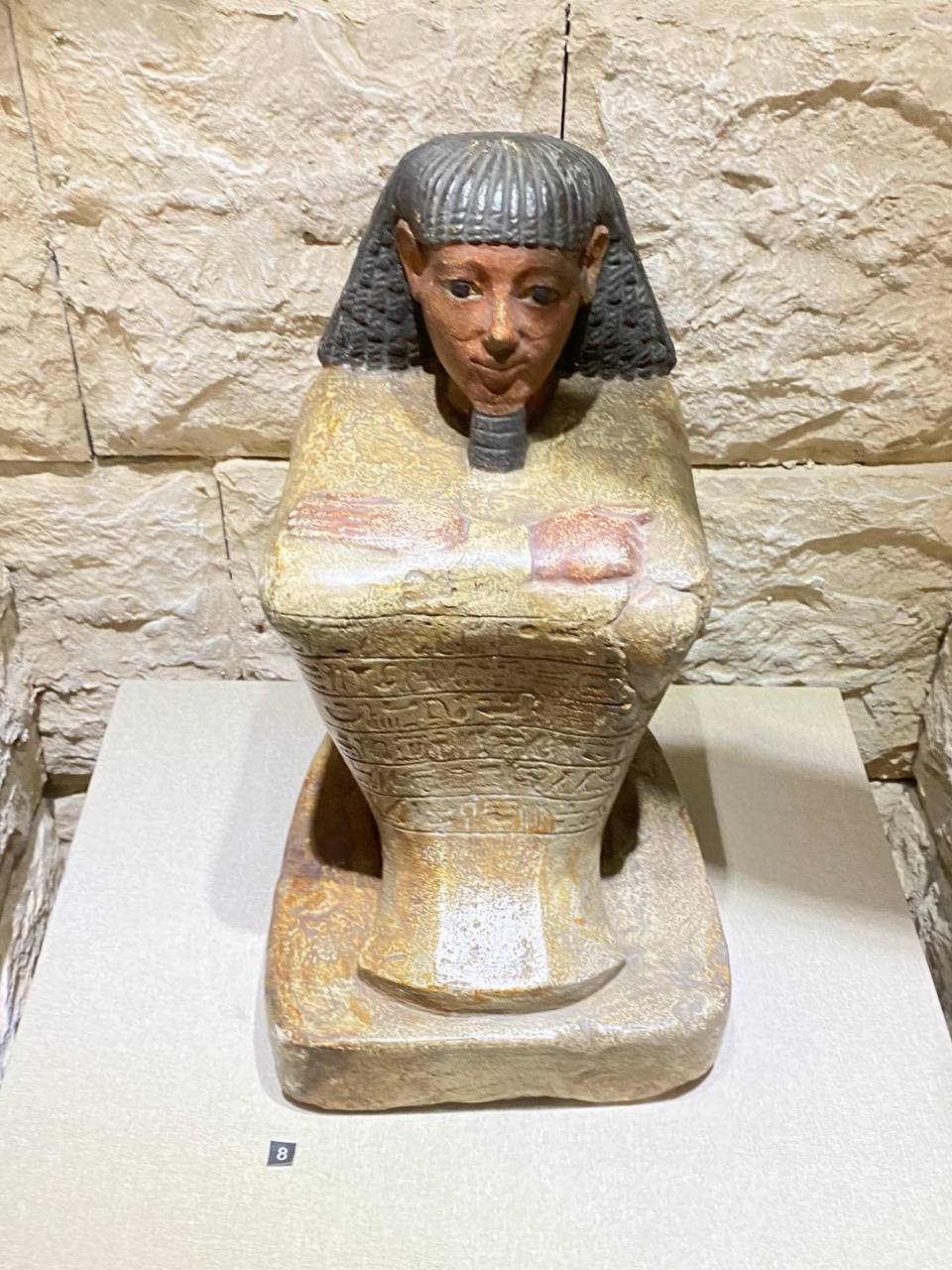
The simplest block-shaped Egyptian sculptures of the Middle Kingdom are found in burials and capture the image of the deceased. They are usually furnished with an inscription containing particulars of the departed. The sculptures themselves are easy to remember if you have acquaintances whose photos show a handsome head and a passable face, while everything else is a sort of large, shapeless blob beneath a veil of blur. There are two hypotheses as to why statues resembling a toddler seated on a potty enjoyed such popularity in Ancient Egypt. The first is the simplicity of their execution and the saving of the sculptor's strength and time: you fashion something more or less resembling a cube, and then, with a light flick of the wrist, set an unassuming head on top. The second version is a spiritual one: such cuboid statues convey the symbolism of the rebirth of an angular stone figure of the tomb, that is, of something already dead, into something living in a new world, which is why the head looks lifelike: it, as it were, contains the spirit and is directed towards a new hypostasis of being. The photograph was taken at the Museum of the History of Religion