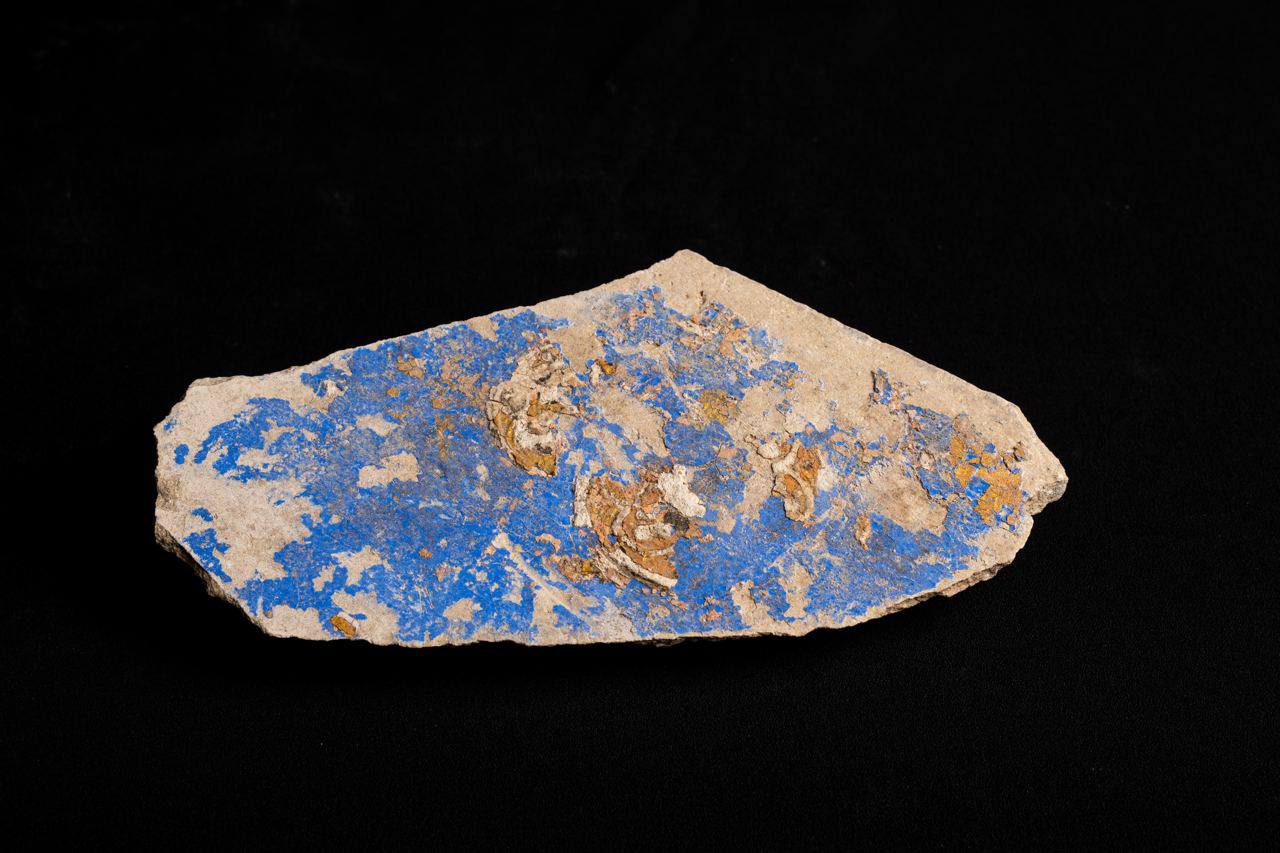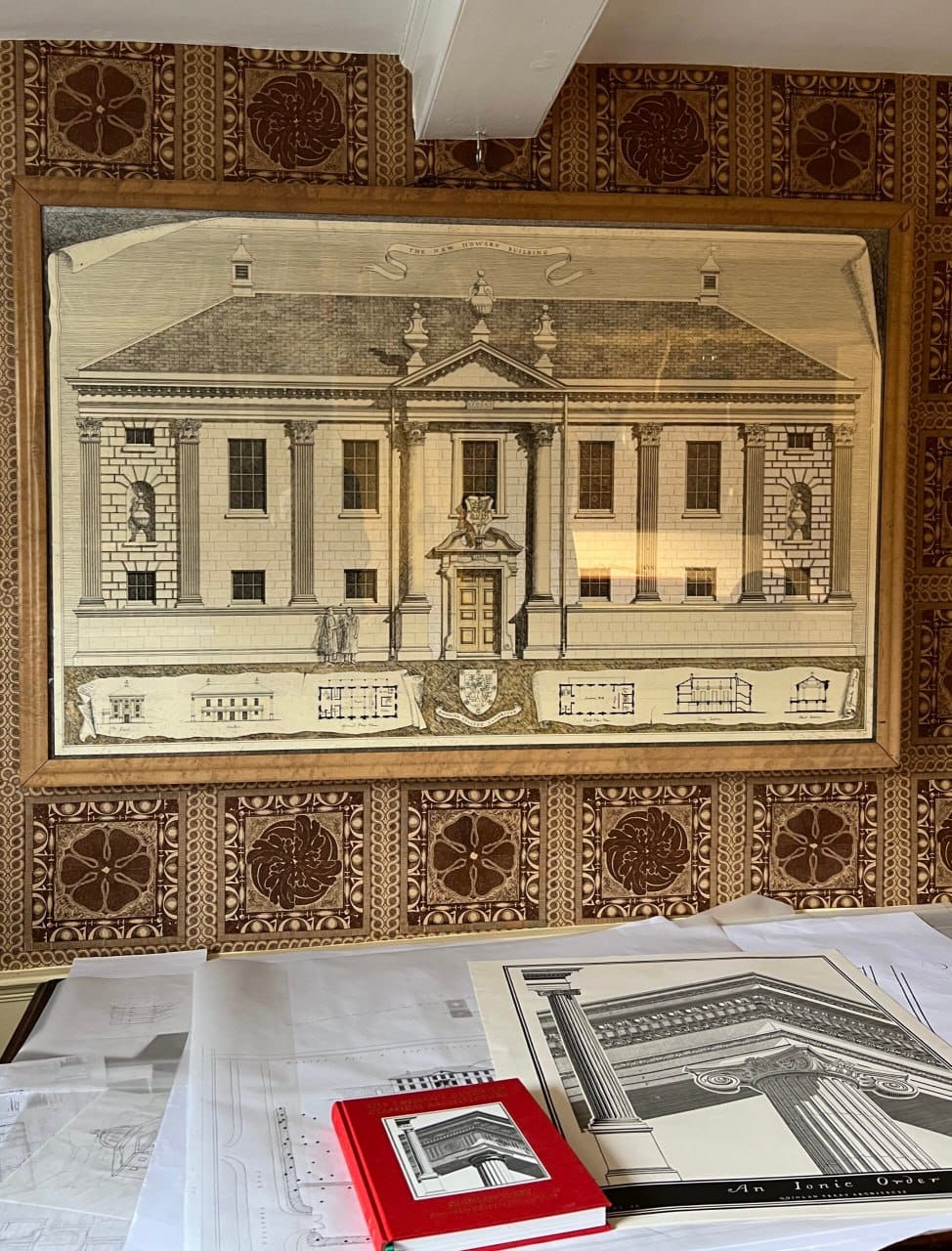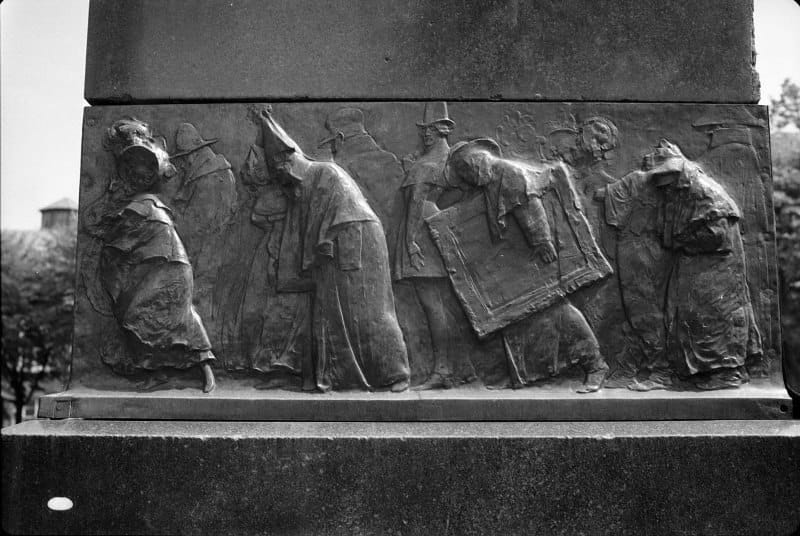
After the 2019 fire at Notre-Dame de Paris, France's National Institute for Preventive Archaeological Research (Inrap) was permitted to carry out excavations on an unprecedented scale
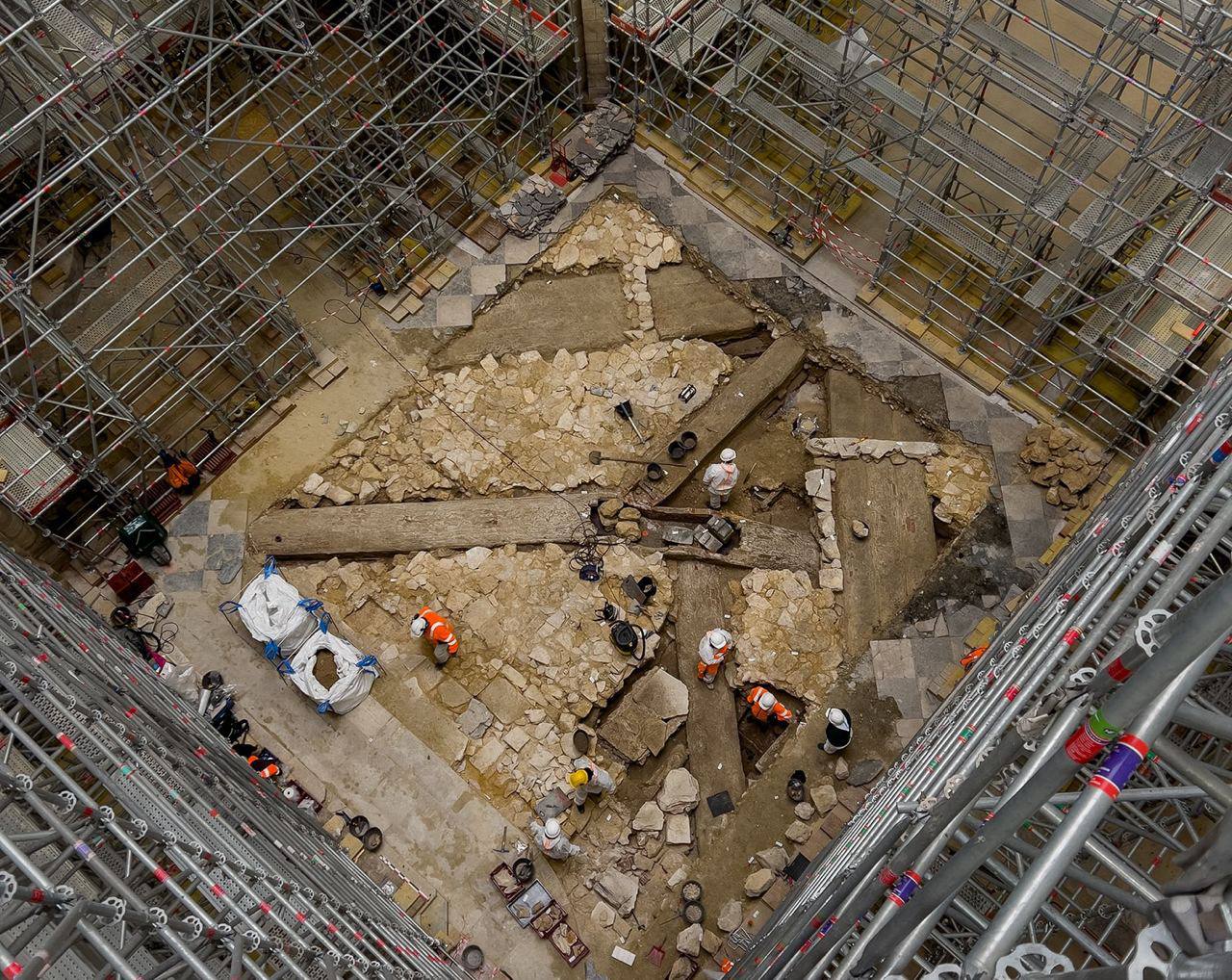
After the 2019 fire at Notre-Dame de Paris, France's National Institute for Preventive Archaeological Research (Inrap) was permitted to carry out excavations on an unprecedented scale. The discoveries made in the course of the dig will undoubtedly expand considerably our knowledge of Notre-Dame de Paris and of the history of the Île de la Cité district. At a press conference on Tuesday, 17 September, INRAP reported on the results of the excavations beneath the cathedral, which have now been under way for 5 years.
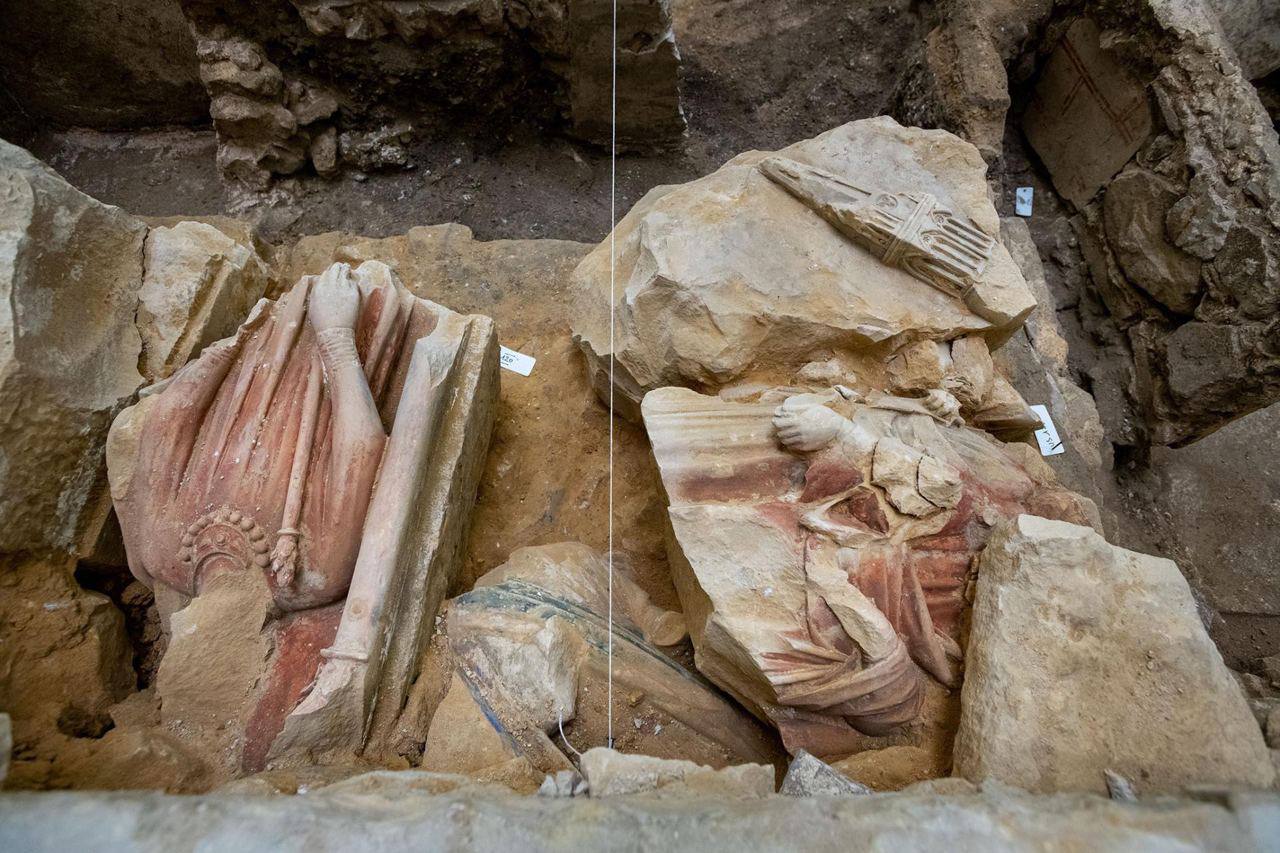
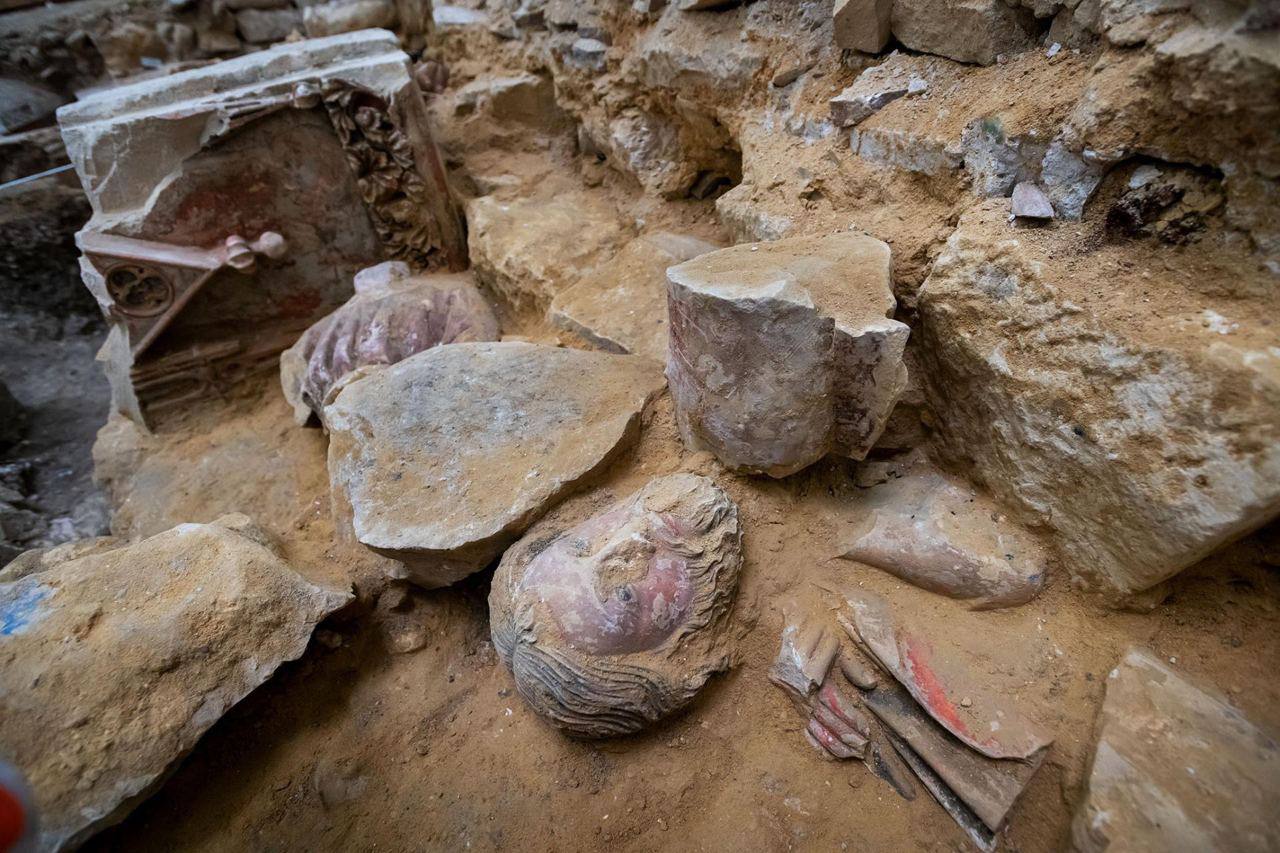
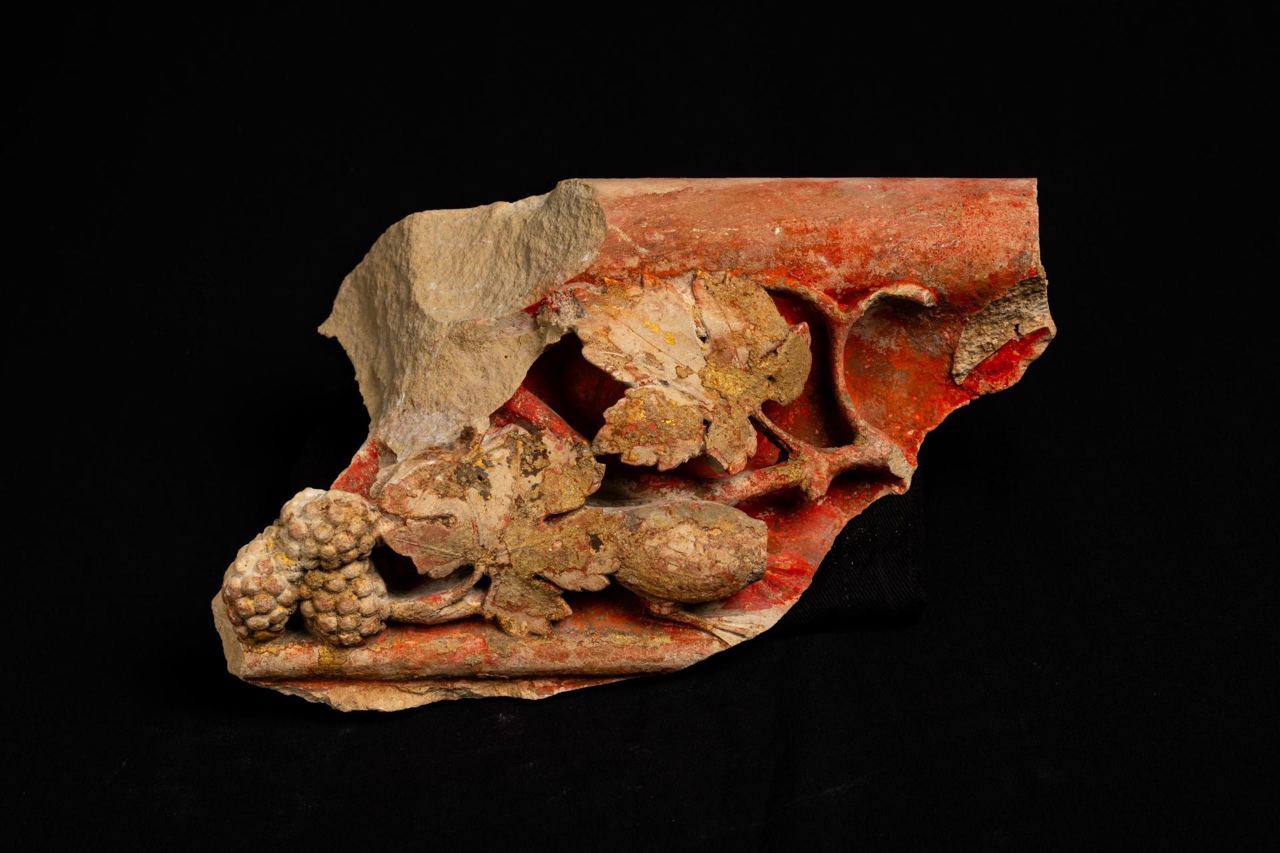
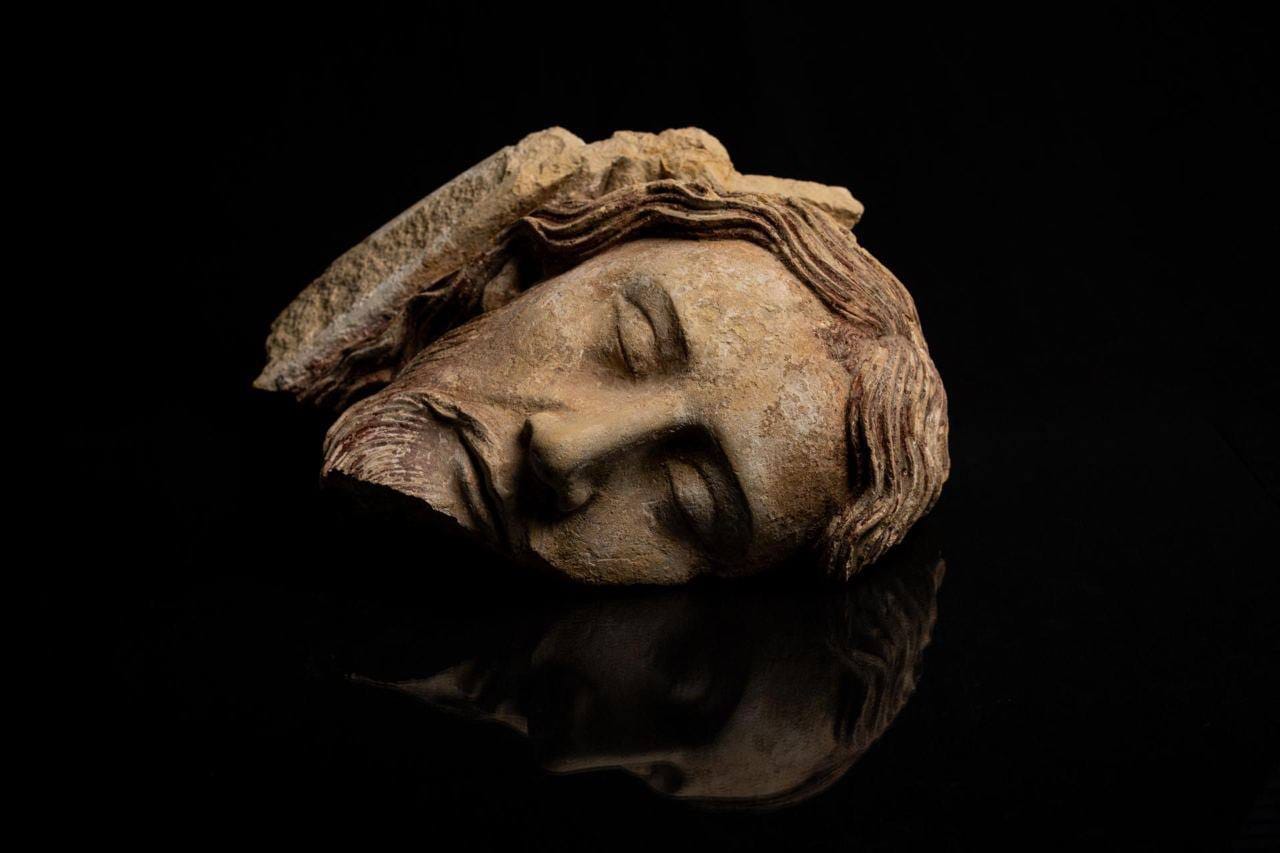
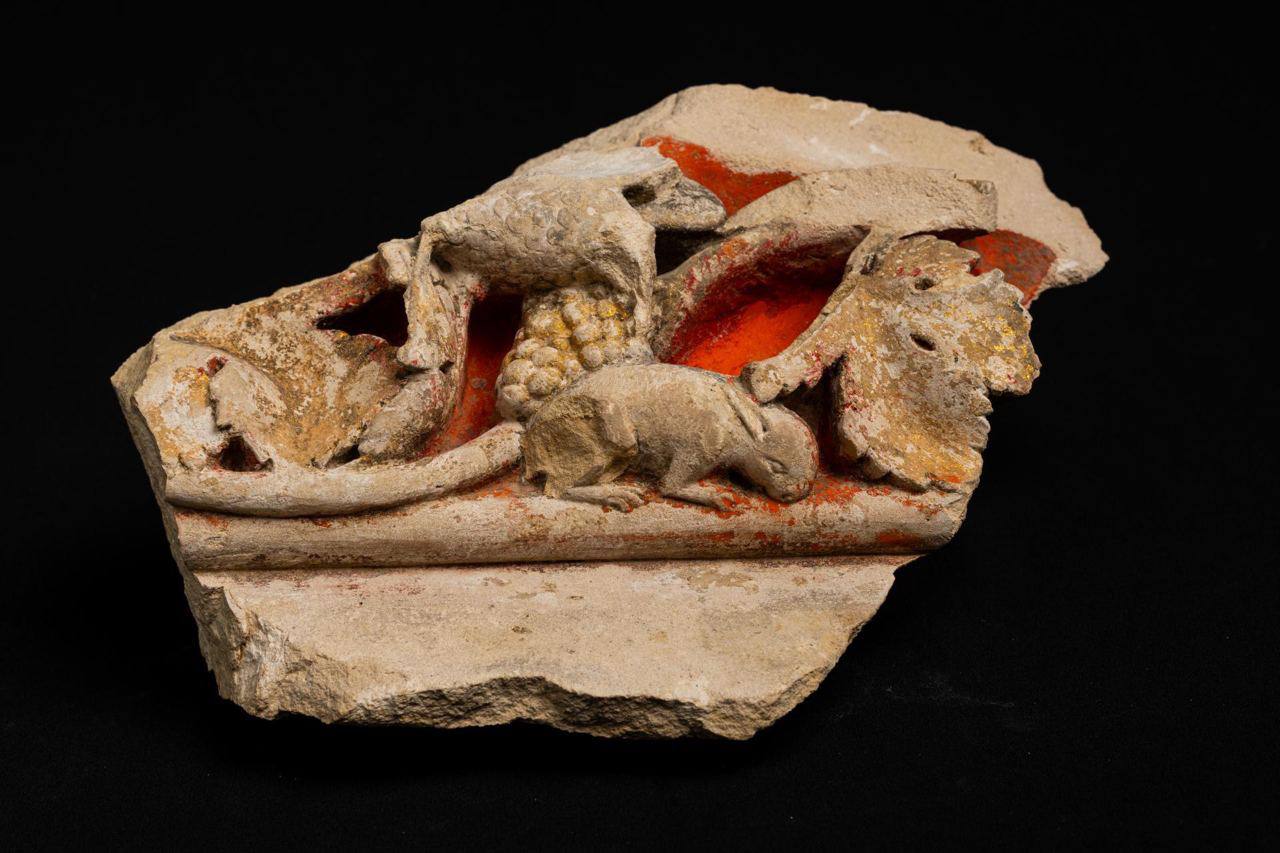
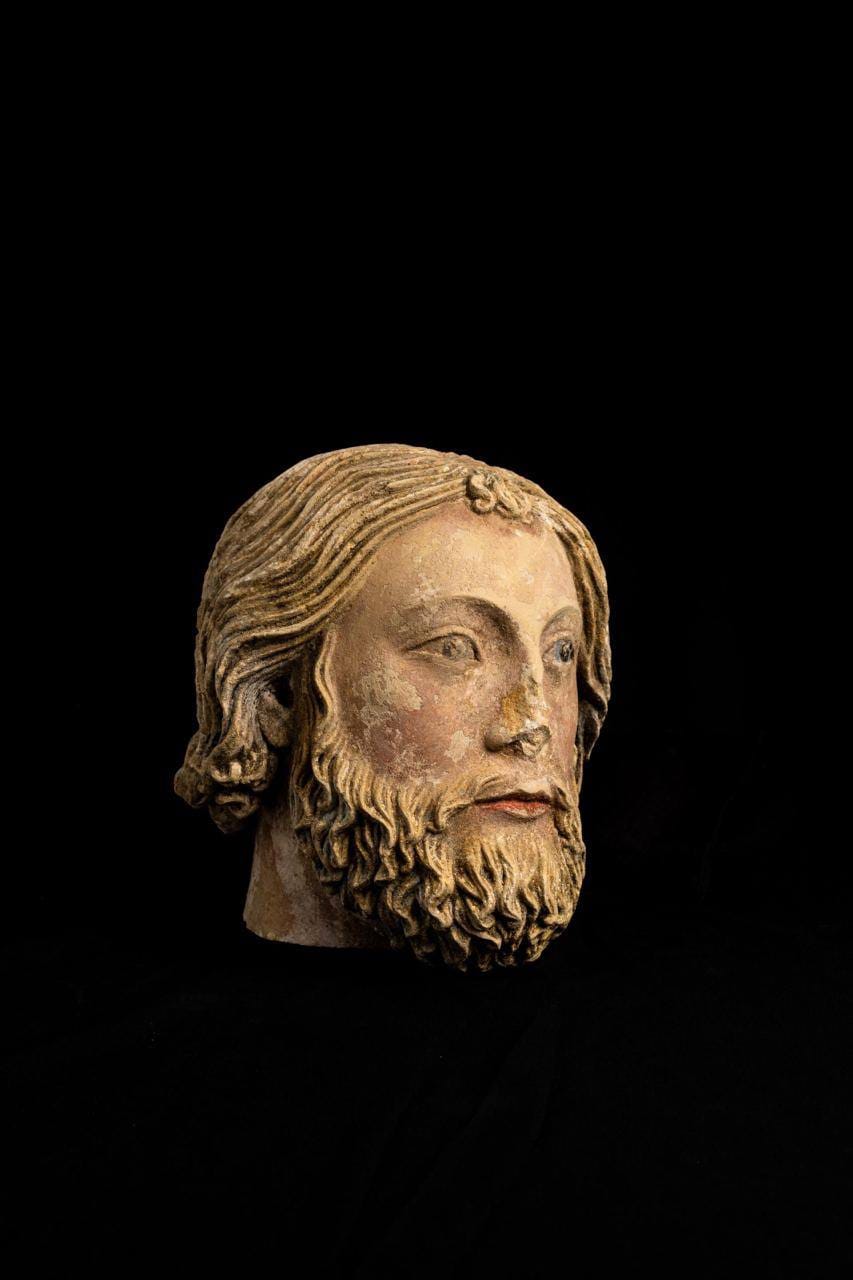
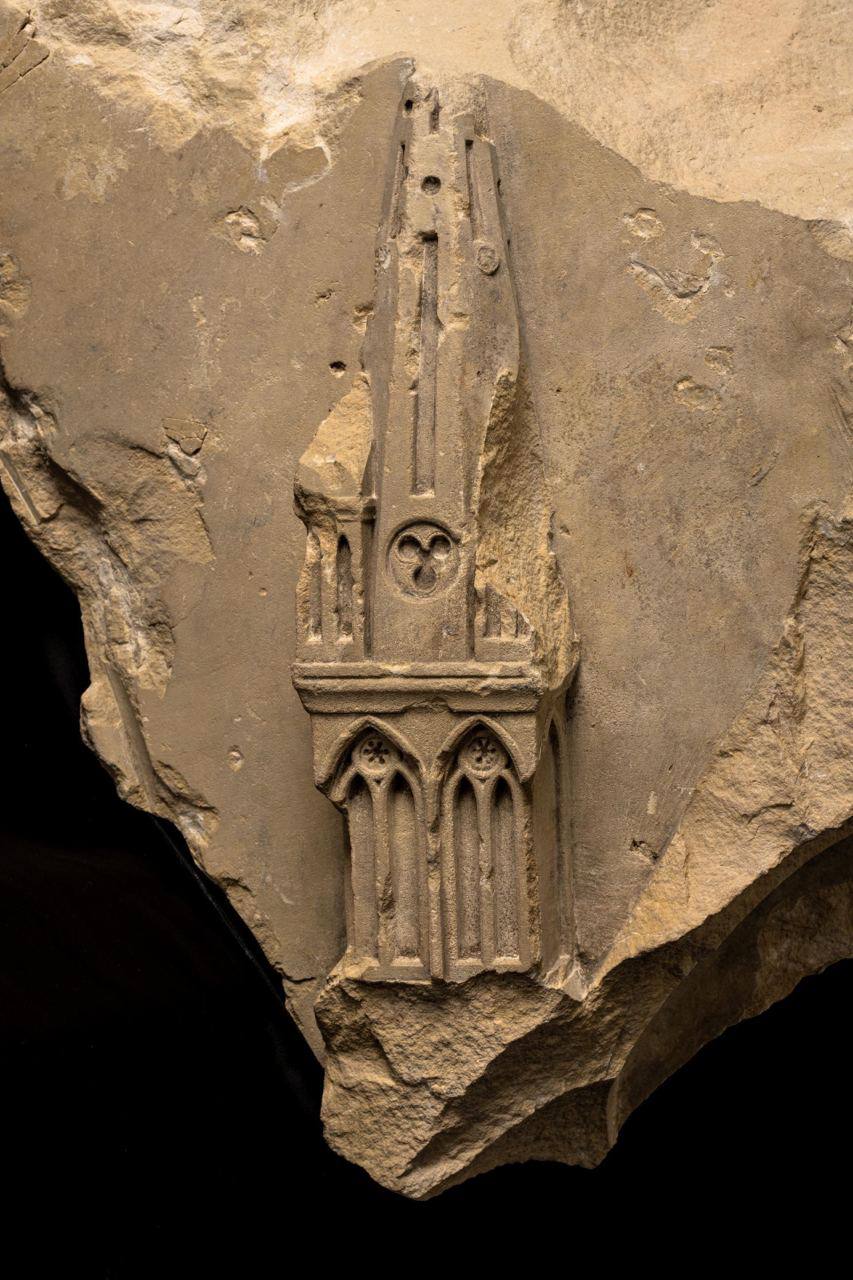
The oldest find consists of traces of 1st-century dwellings, uncovered at a depth of only 3.5 metres. The foundations of several buildings of the Carolingian Renaissance have been exposed, and for the first time the foundations of the cathedral itself could be observed. Numerous pieces of carved stone decoration and about 1,000 fragments of sculpture were found, some of them dated to the 13th century. They lay a mere 10 to 15 centimetres beneath the cathedral's paving slabs. One of the more remarkable finds is a superbly preserved male head, possibly depicting Christ.
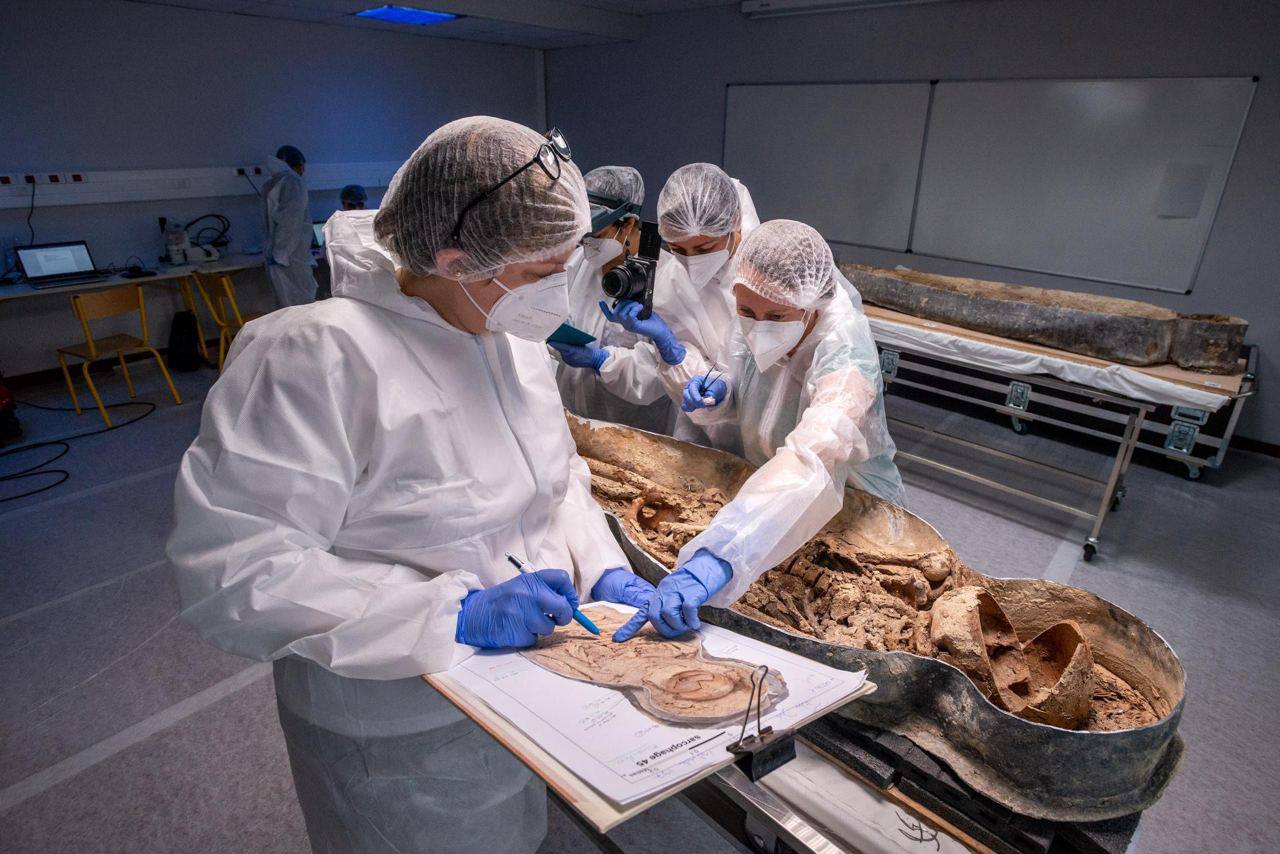
Like all Catholic cathedrals, Notre-Dame de Paris served as a burial place. But unlike other churches, its burials lie exclusively inside the cathedral rather than beside it. About 100 burials were found beneath the cathedral, including several sarcophagi.