The Execution of Beatrice Cenci and the Portrait Now Attributed to Ginevra Cantofoli
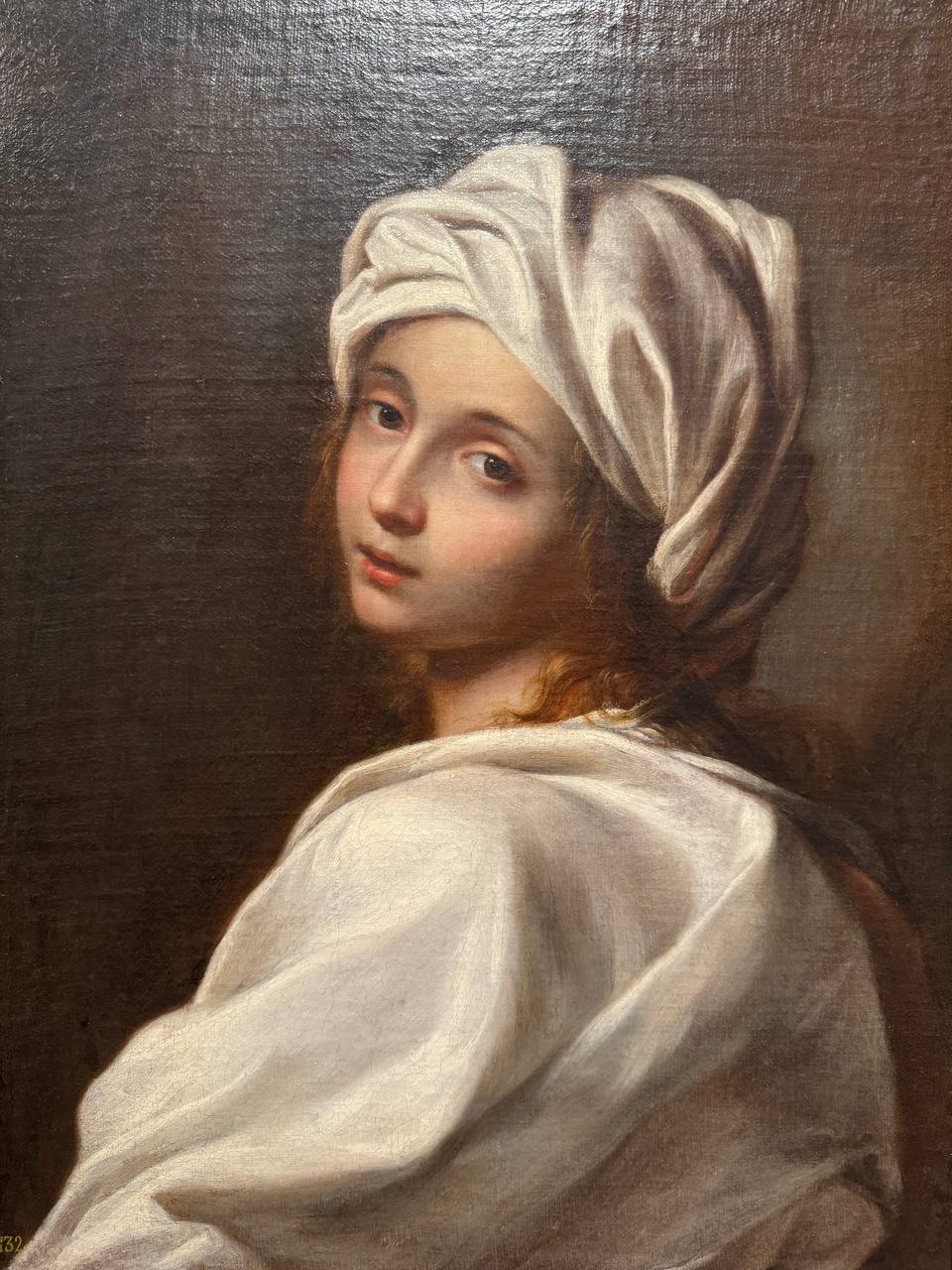
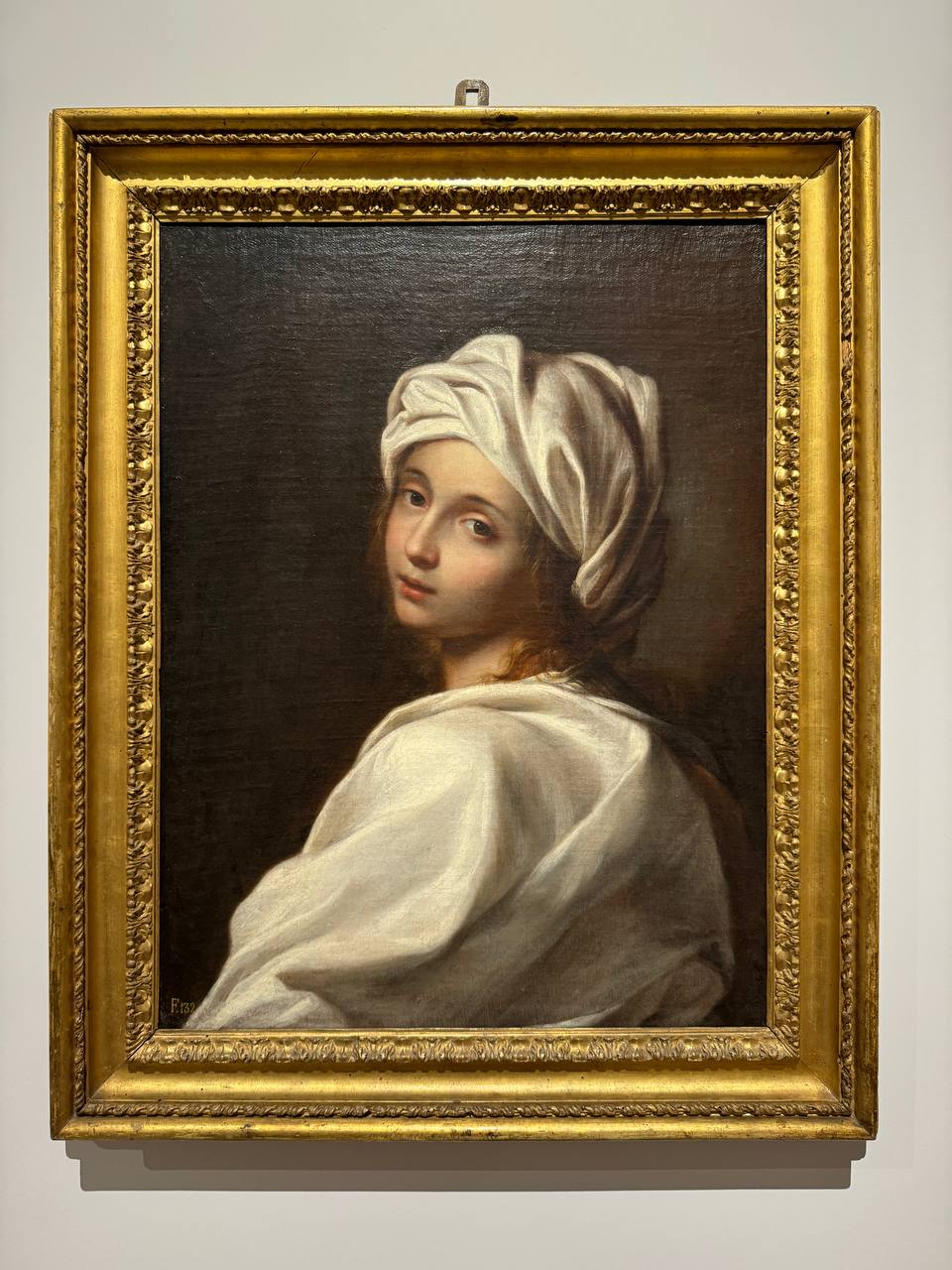
Portrait of Beatrice Cenci, a Roman beauty of the very end of the sixteenth century, executed on a charge of murdering her own father.
The tragedy in one of the wealthiest families of Italy shocked contemporaries: a daughter, a wife and a son conspire to kill the head of a noble house. All three were beheaded for this appalling crime, although it was never convincingly proved that the conspiracy and the murder had really taken place in the form presented by the investigation. It was thought that the Church wished to lay hands on the Cenci family's boundless riches, and had disposed of every member of the family in a single trial.
Beatrice, who endured terrible tortures, did not confess; on the contrary, she found the courage to hold out to the last. She spoke of the abuse she had suffered from her father, who had all but put her in chains. The girl was executed at the age of 22.
The idealised portrait of Beatrice Cenci was painted several decades later. For many years the authorship of the picture, from the collection of the Colonna family, was ascribed to Guido Reni, but quite recently the painting was reattributed as a masterpiece by the seventeenth-century Bolognese artist Ginevra Cantofoli.
Having seen this portrait, Goethe wrote that in Beatrice's face he had beheld more than in any other face in his whole life.