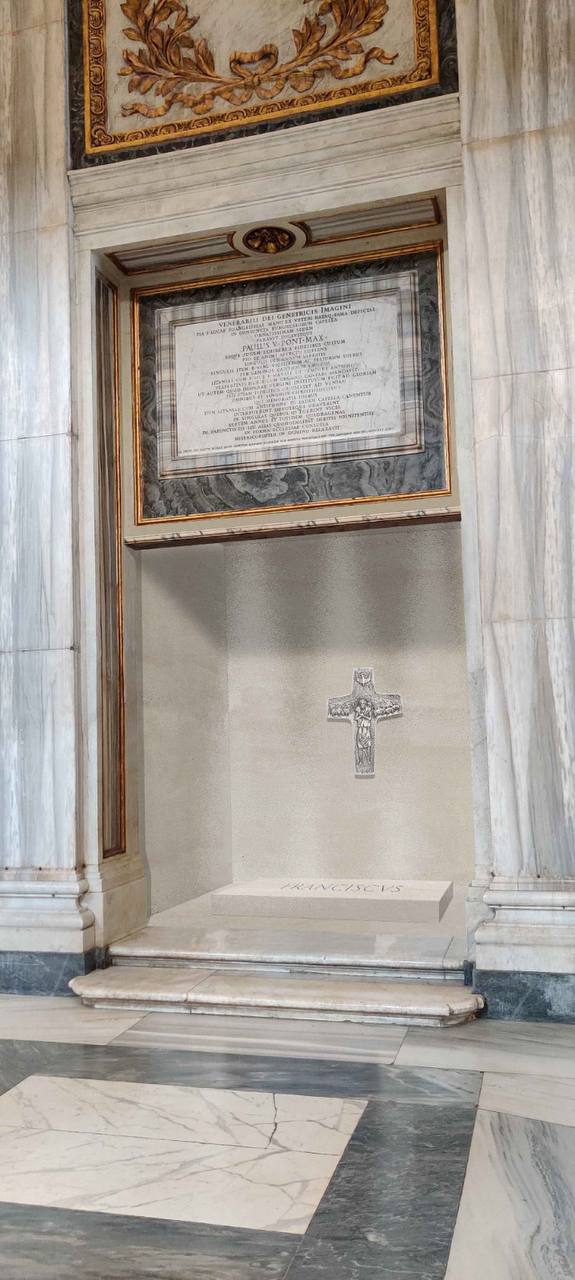
Before Santa Maria Maggiore, where Pope Francis was laid to rest yesterday, there were, naturally, queues many hours long
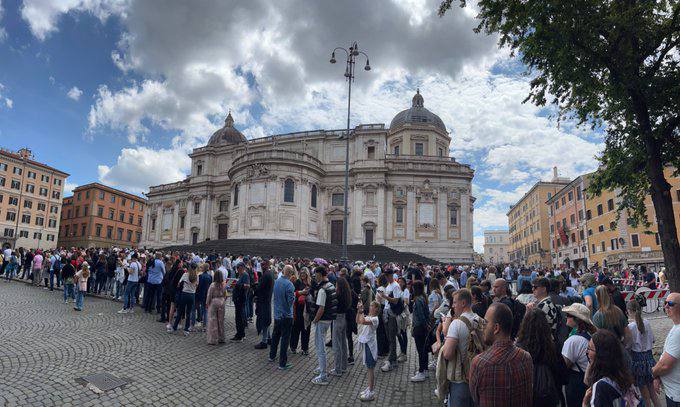
Before Santa Maria Maggiore, where Pope Francis was laid to rest yesterday, there were, naturally, queues many hours long. It is one of the four major basilicas of Rome, but despite its pilgrimage status, large queues did not usually gather here outside the church festivals. Now, I suspect, the beaten track to this church will be very busy for years to come.
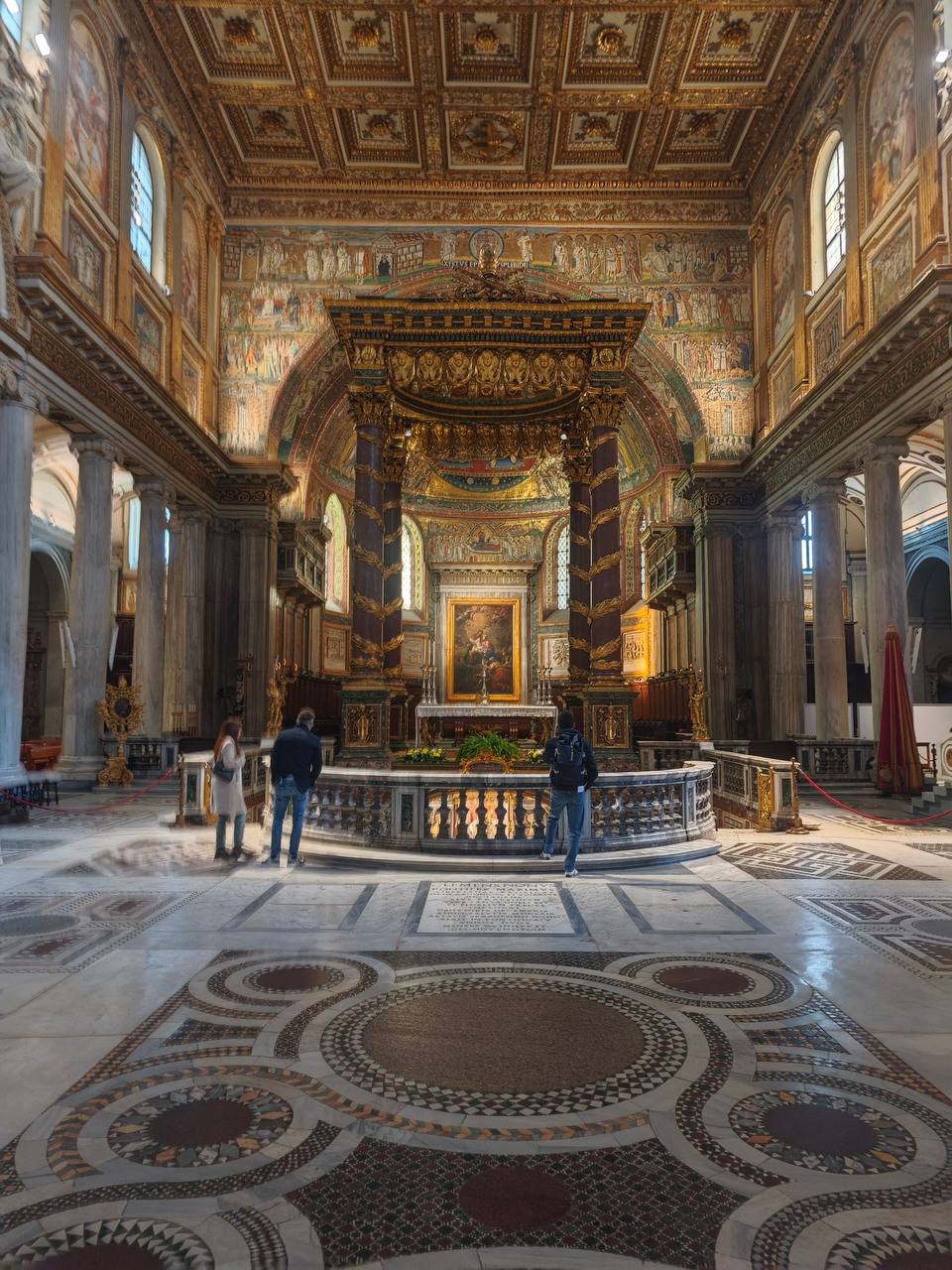
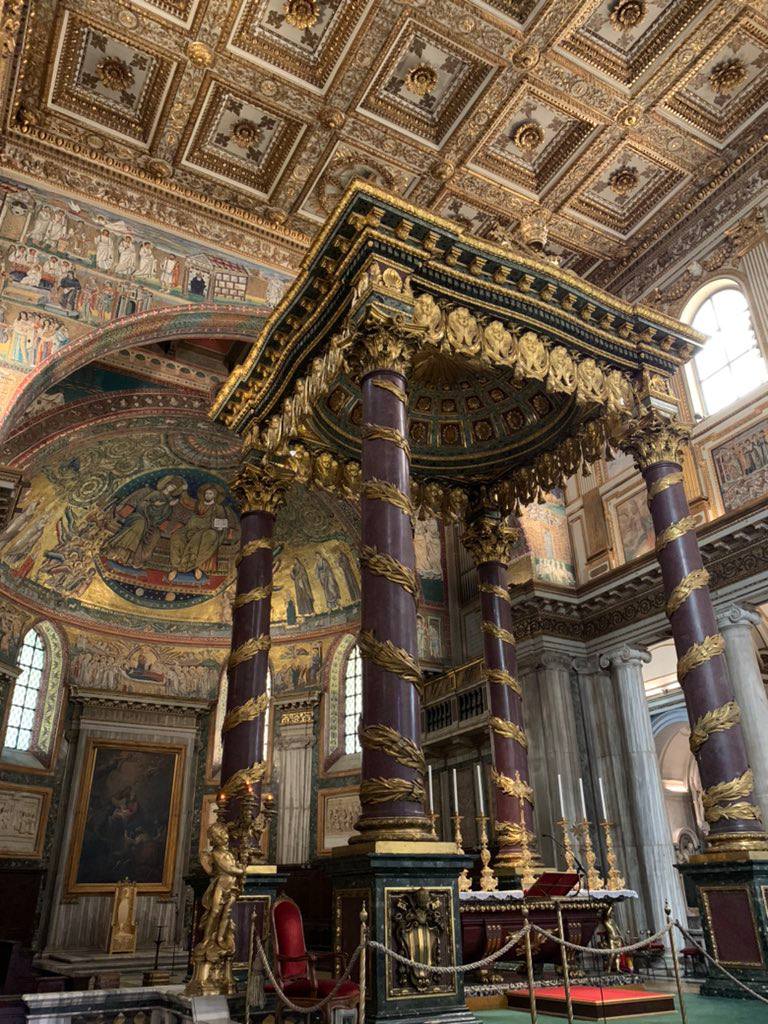
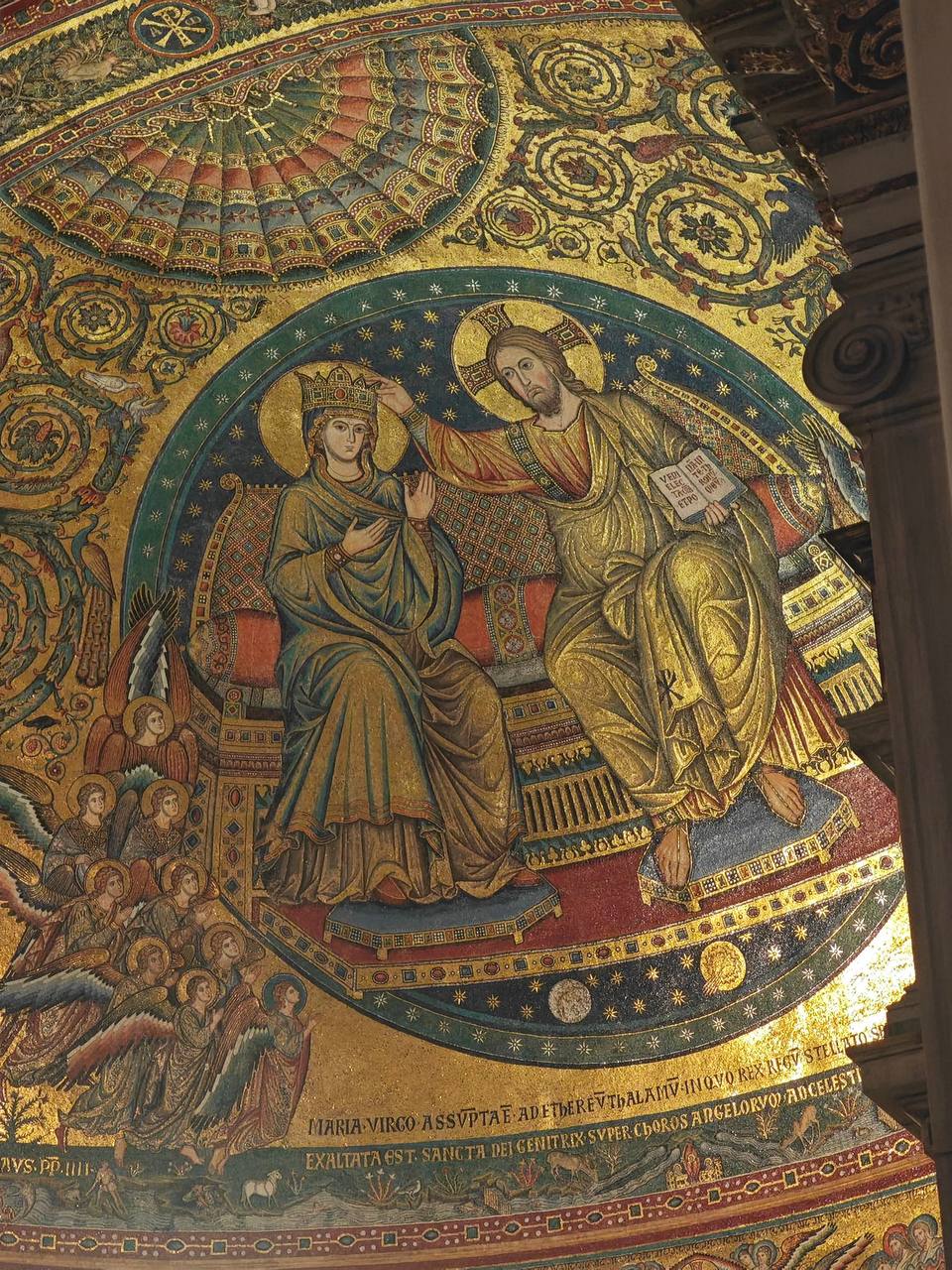
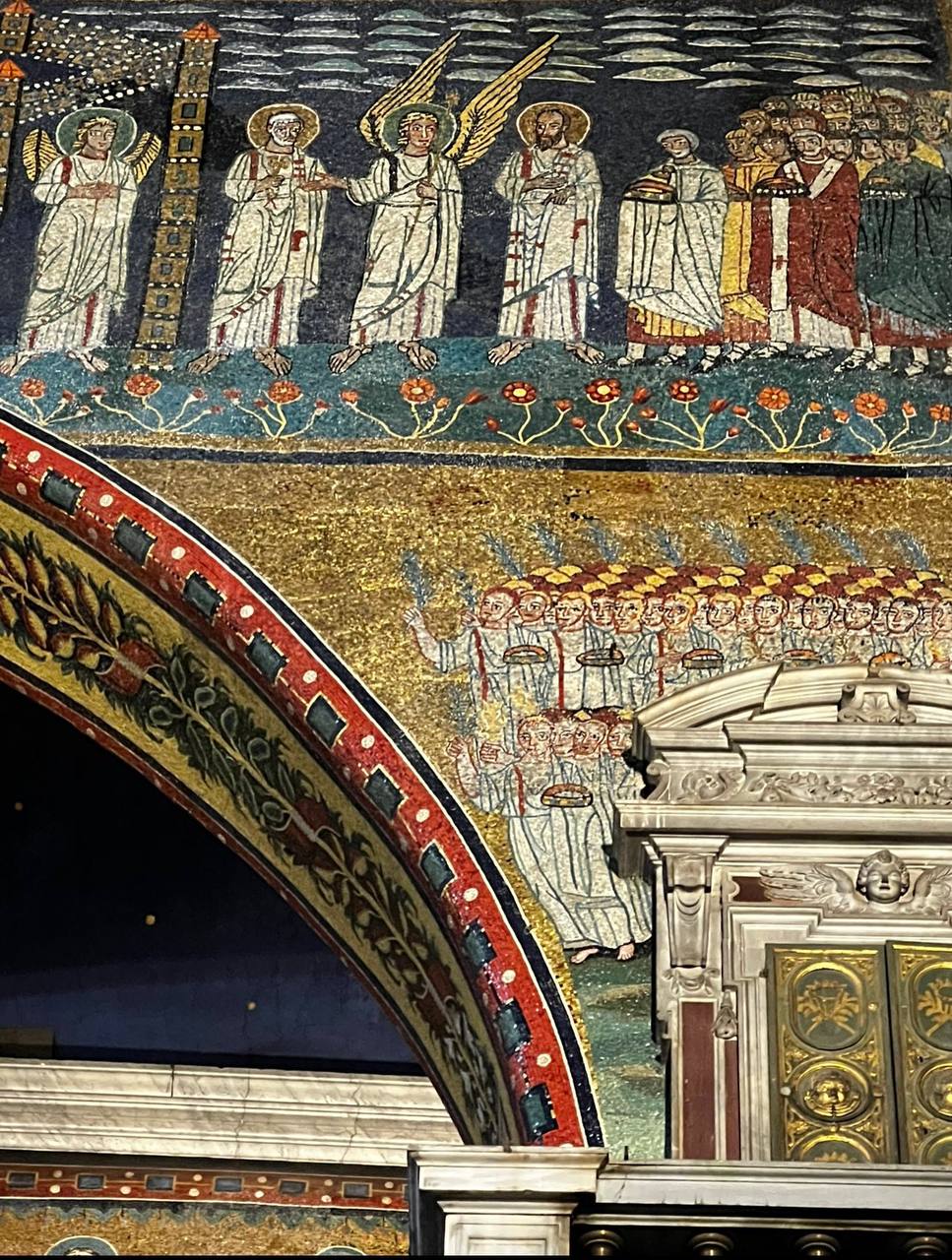
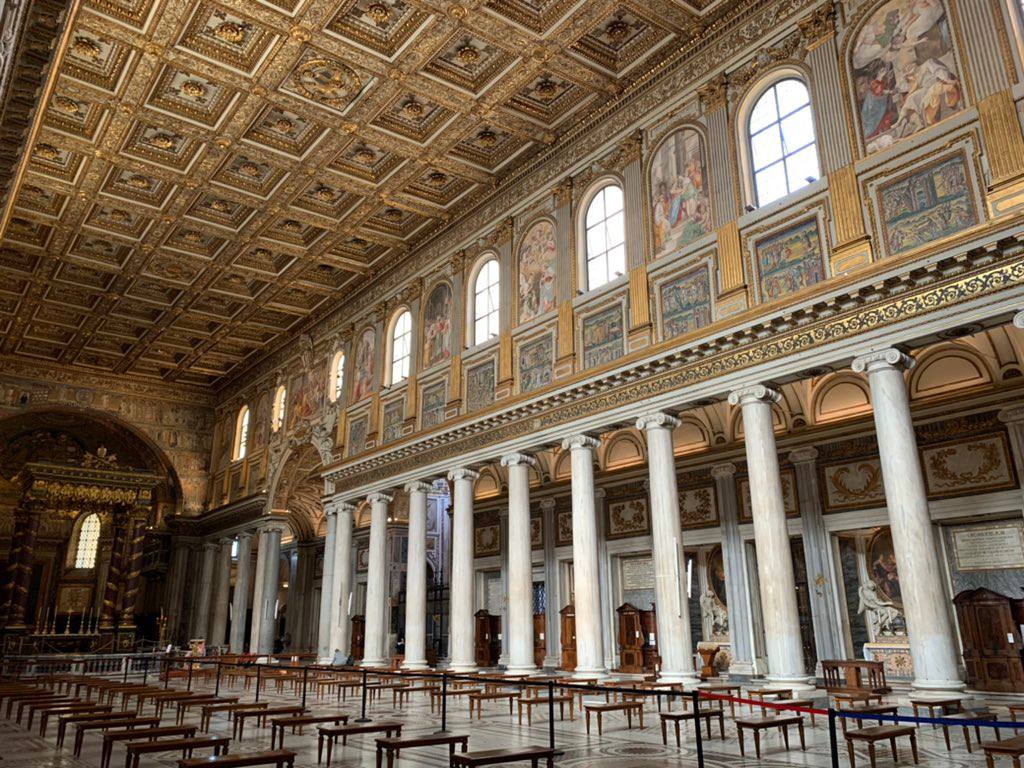
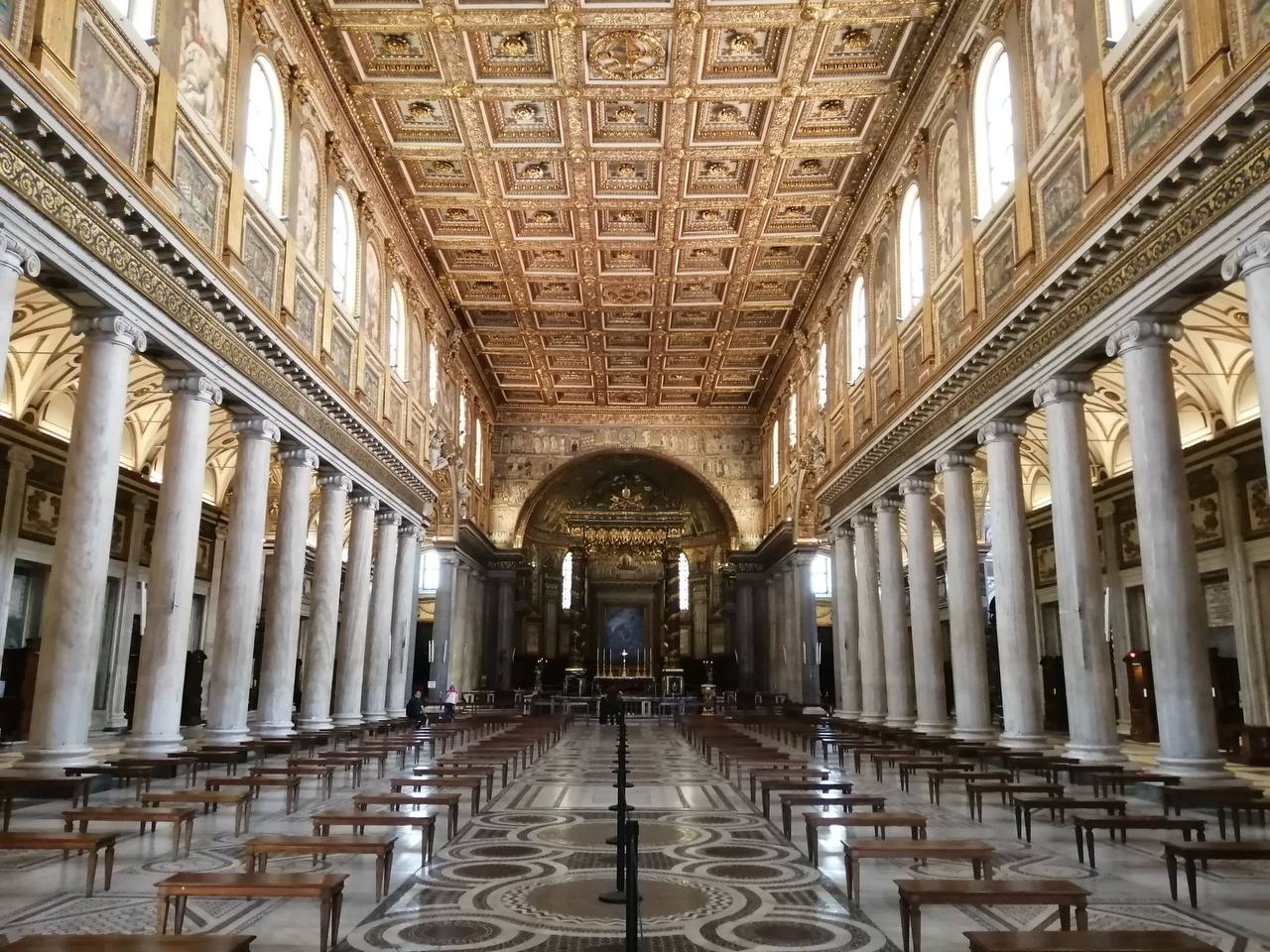
What is important to know about the Basilica of Santa Maria Maggiore? First, the church on the Esquiline Hill is the oldest Roman church consecrated in honour of the Mother of God, and the largest architectural monument dedicated to the Virgin Mary. The church has preserved its original fifth-century architecture. Its appearance combines features of the Romanesque style and the Baroque.
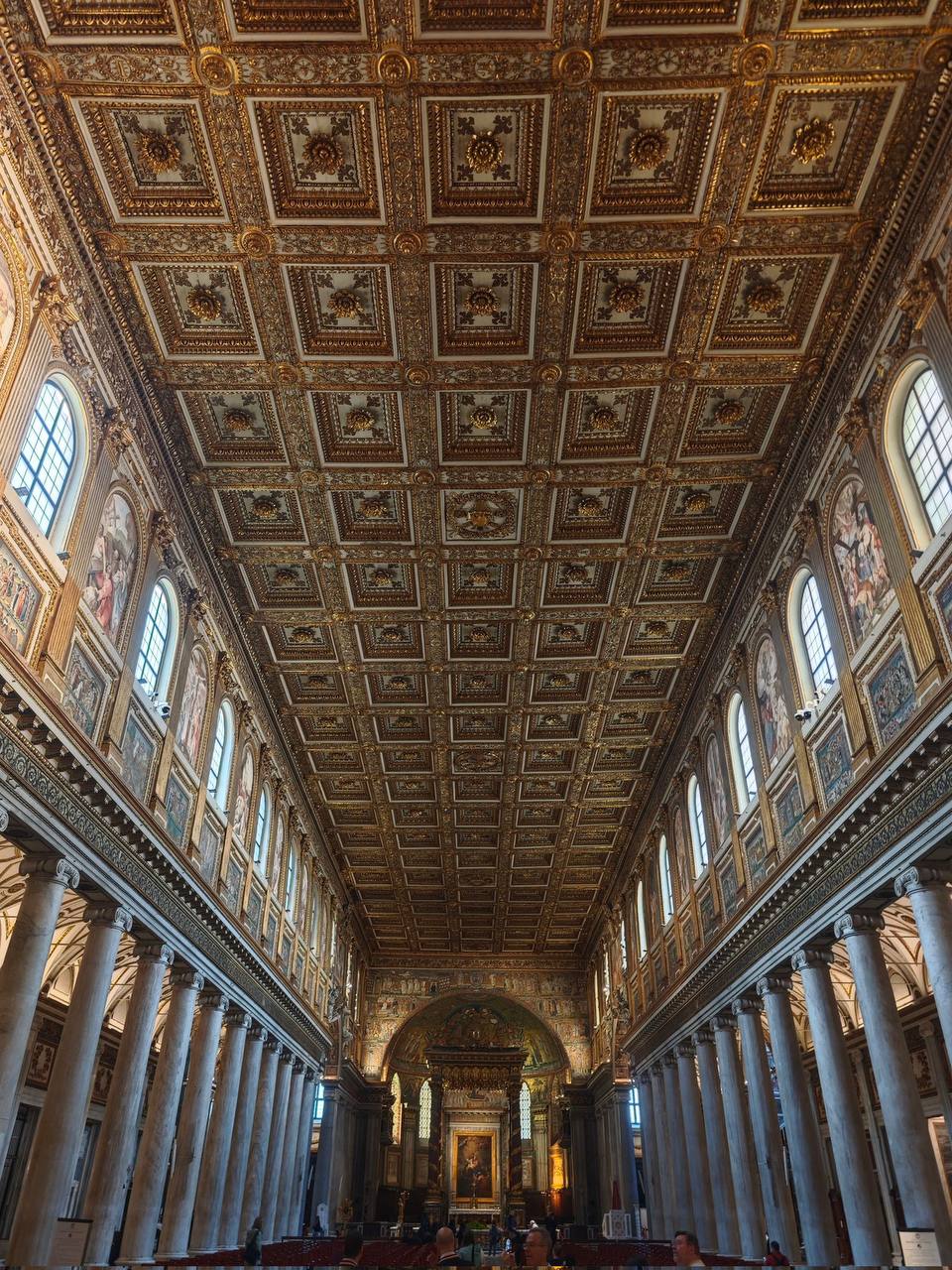
The basilica holds the status of a papal basilica. Its coffered ceiling, created by Giuliano da Sangallo at the commission of Pope Alexander VI Borgia, is covered with the first gold brought from America.
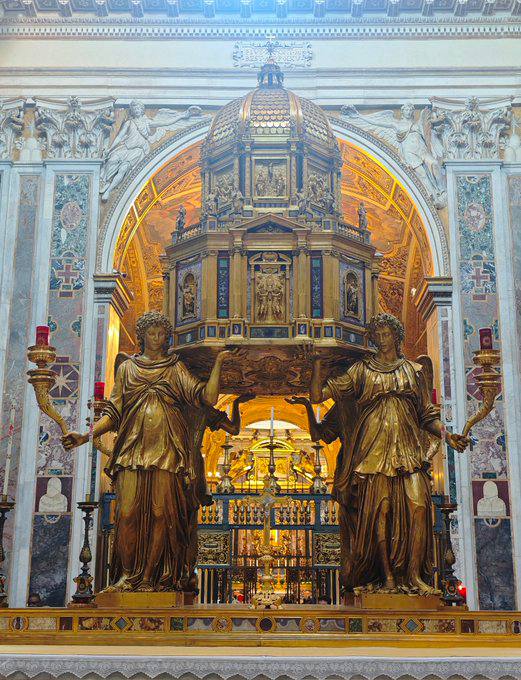
Several other Popes are buried in the Basilica of Santa Maria Maggiore: Pius V, Clement VIII, Clement IX, Paul V and Sixtus V. Besides them lie such well-known figures as Napoleon Bonaparte's sister Pauline, and the outstanding architect and sculptor of the Baroque era, Gian Lorenzo Bernini. The basilica also keeps the relics of the Apostle Matthew, parts of the relics of the Apostle Epaphras, of the Blessed Jerome of Stridon, of the venerable Redemita and of Saint Romulus, a part of the cradle of Jesus Christ, the Byzantine icon of the Mother of God "Salus Populi Romani" (Salvation of the Roman People), the Holy Door and the triumphal column of the Virgin and Child brought from the Roman Forum.
The niche in which Pope Francis's coffin is sealed lies between the chapel where Paolina Bonaparte is buried and the Sforza Chapel, associated with the names of Michelangelo and Giacomo della Porta.