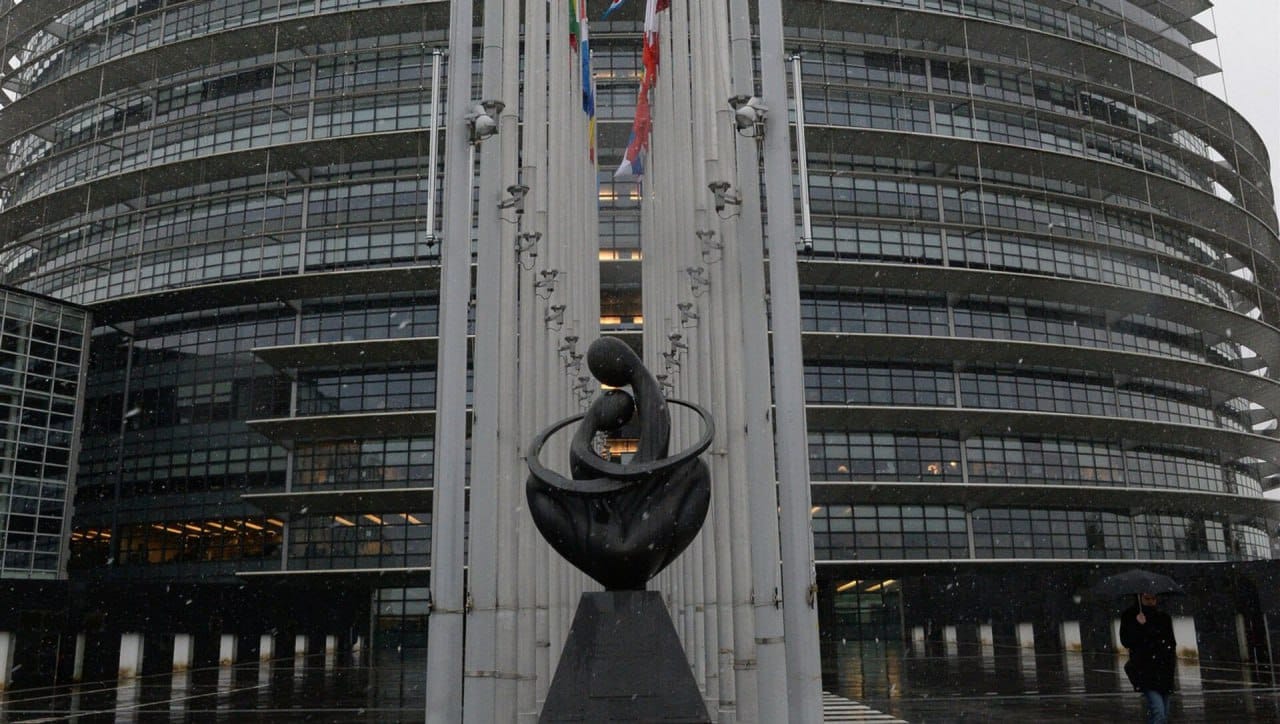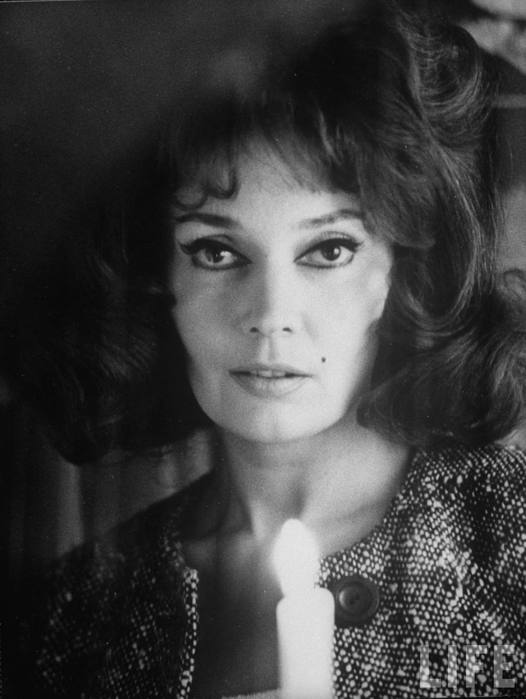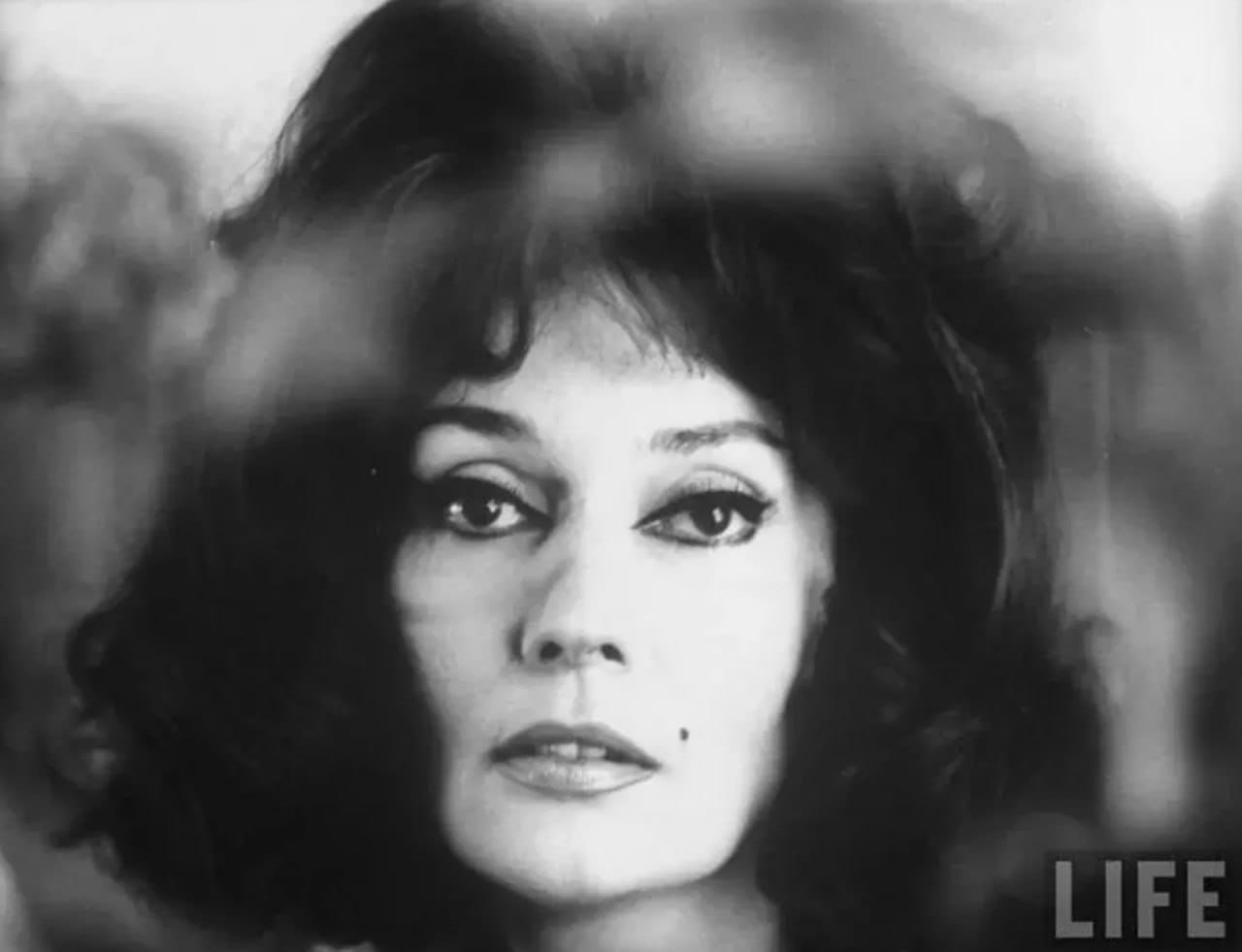
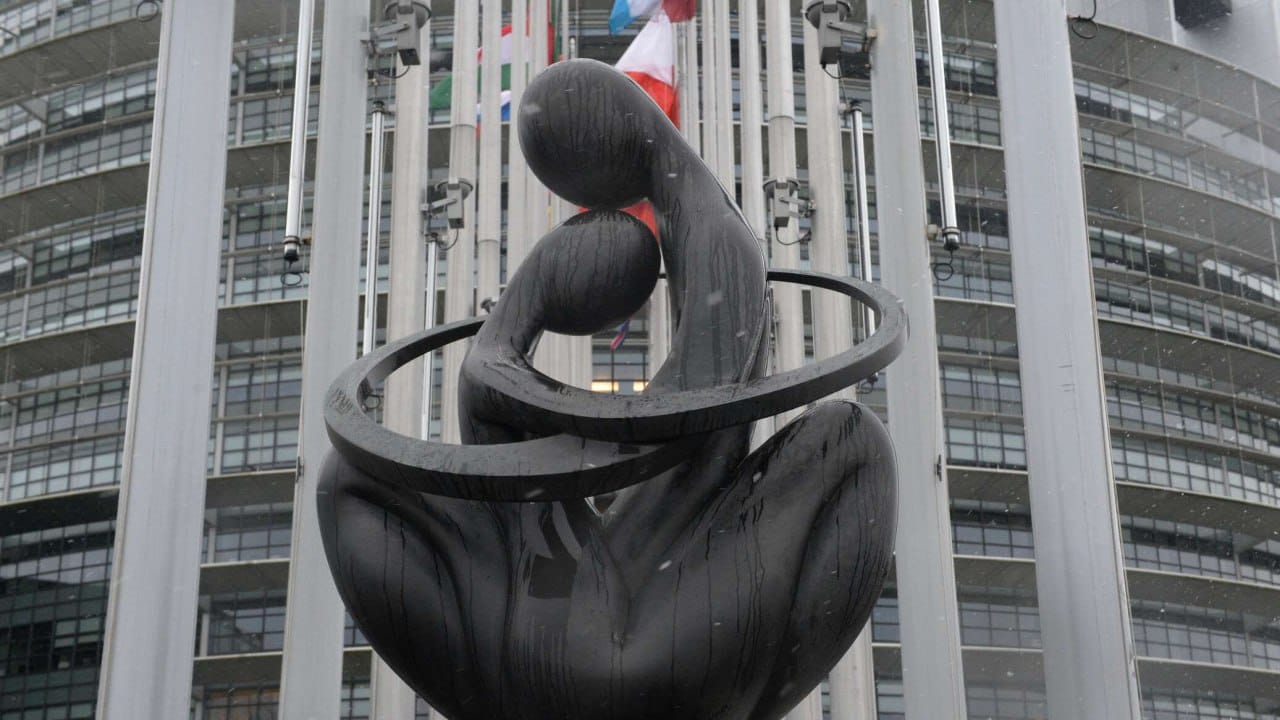
The monument "Heart of Europe" before the Brussels headquarters of the European Parliament was created by Ludmilla Tcherina (1924-2004)
I first came across the name of Tcherina in the opening titles of the film "The Red Shoes", and it turned out that she was not only an actress and ballerina but also a sculptor, painter and writer. Yet she owed her resonant Russian name not to her parents but to Serge Lifar, her artistic director in the Ballet de Monte-Carlo company, where she became prima ballerina in 1942 at the age of 18.
Ludmilla, born Monique, came into the world in France, the daughter of a Frenchwoman and a Circassian-Russian colonel named Tchemerzine. On his father's side, Monique-Ludmilla's father descended from a Circassian princely house, and on his mother's from the Zhukovsky-Volynsky nobility; he owned stud farms and was a scholar, inventor and soldier who had emigrated to France.
Above all Tcherina was known as a ballerina: she danced in Prince Knyazev's company, at the Marseille Opera, in the "Nouveau Ballet de Monte-Carlo" and in Maurice Béjart's "Ballet of the 20th Century", and she founded a company of her own. She acquired her resonant Russian stage name in the 1940s thanks to the vogue for Russian ballet and Russian ballerinas, and in the 1950s Tcherina became the first foreign ballerina to dance on the stage of the Bolshoi.
She appeared in Hollywood films, wrote books, and was one of the most alluring figures of French high society and an acknowledged beauty, gazing at her admirers from the pages of countless fashion magazines.