The Magdeburg Unicorn: A Famous Chimera of the Seventeenth Century
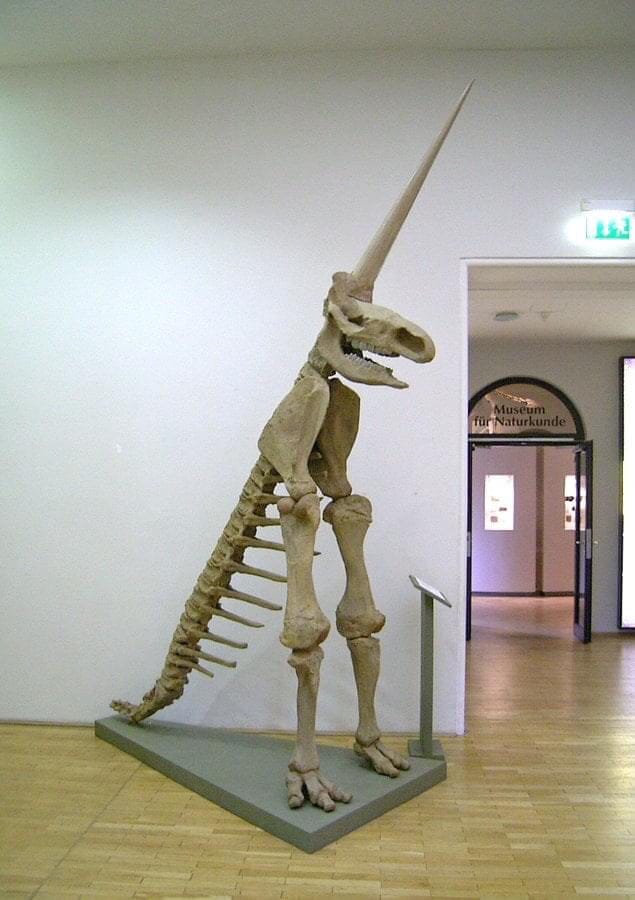
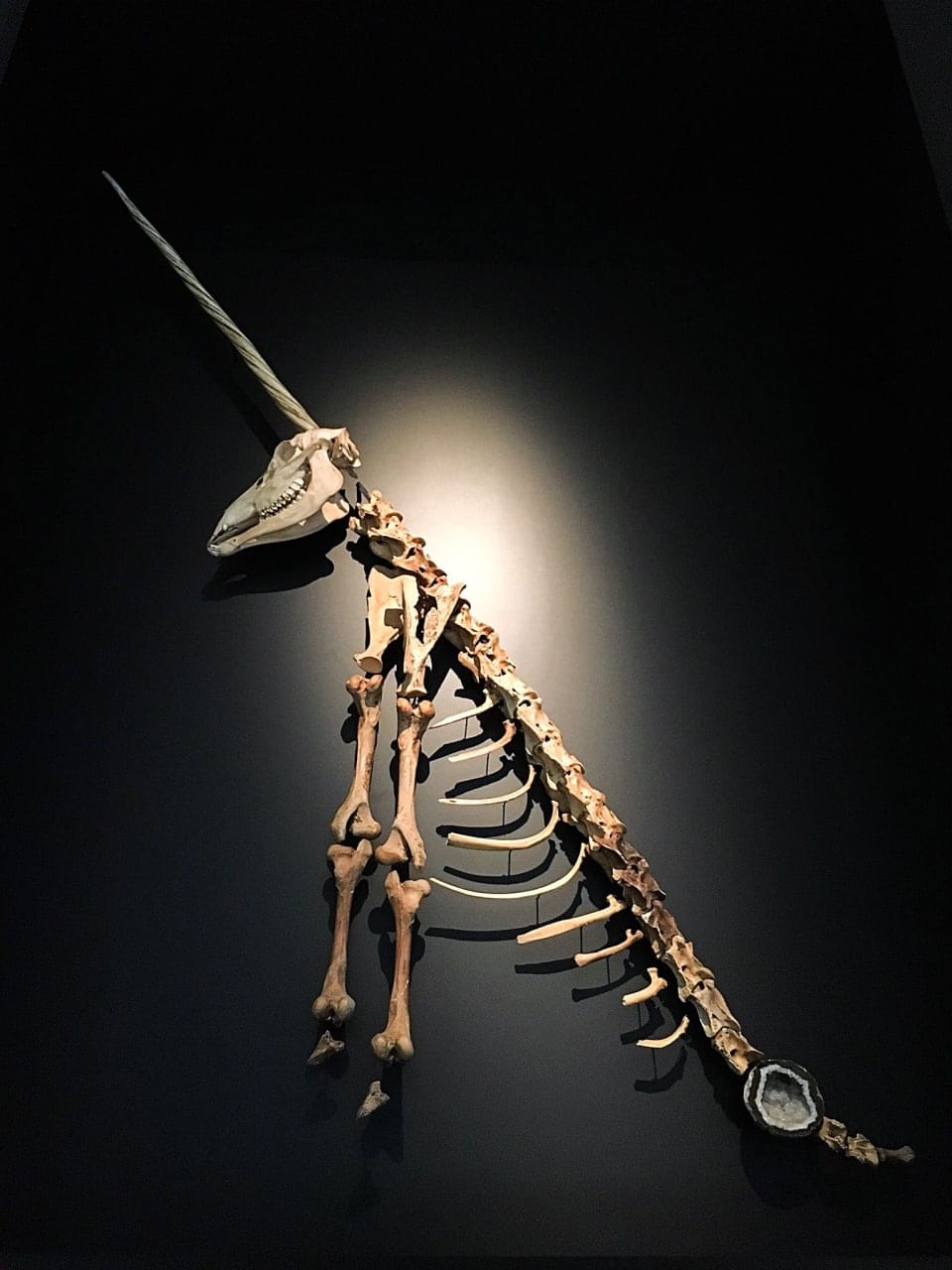
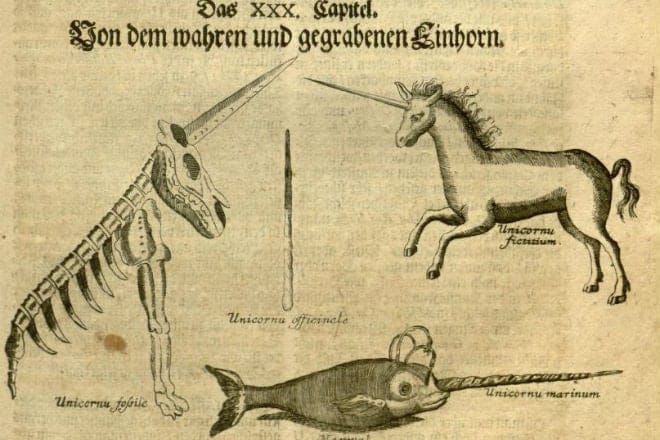
The Magdeburg Unicorn is a famous chimera of the seventeenth century. In 1663 this reconstruction of the supposed appearance of its owner was made from bones found in the mountains. The author of the unicorn hypothesis was the physicist, engineer and burgomaster of Magdeburg, Otto von Guericke. A hundred years later Leibniz gave his opinion on the find: it was obvious to him that the bones of narwhals are often passed off as unicorn remains, yet he saw no grounds to distrust the testimony of the eminent scholar Guericke, who claimed to have found the animal in the deposits inside a cave, lying on its haunches with its head raised, and with a horn five forearms long fixed to the skull. The integrity of the skeleton, according to its discoverer, suffered through the ignorance of the diggers, who broke the find into pieces to extract it more conveniently. In reality the beast was assembled from a narwhal's tusk, a woolly rhinoceros skull (naturally) and mammoth bones. In the 2000s German scientists decided to restore the unicorn's moment of fame and published a jocular paper on the extraction of its DNA, and photographs of the reconstruction of this curiosity from the Magdeburg Museum of Natural History at once flew around the internet