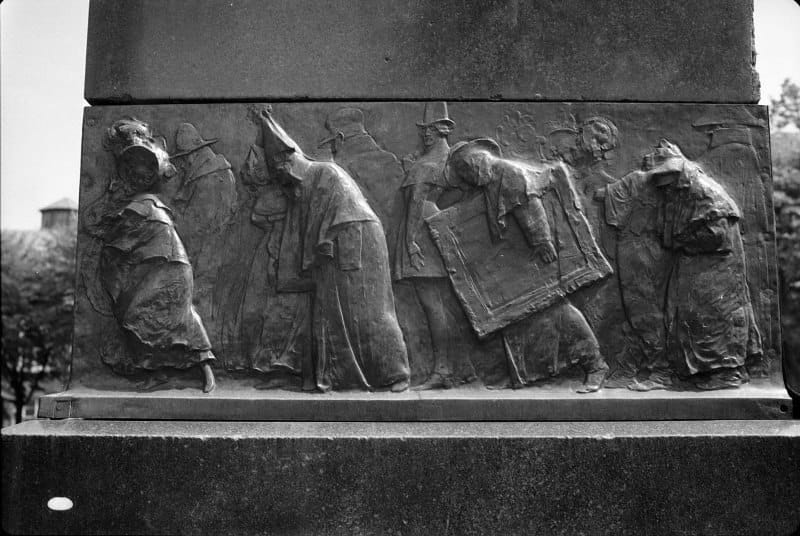
The Lobnoye Mesto on Red Square Is the Same as Golgotha
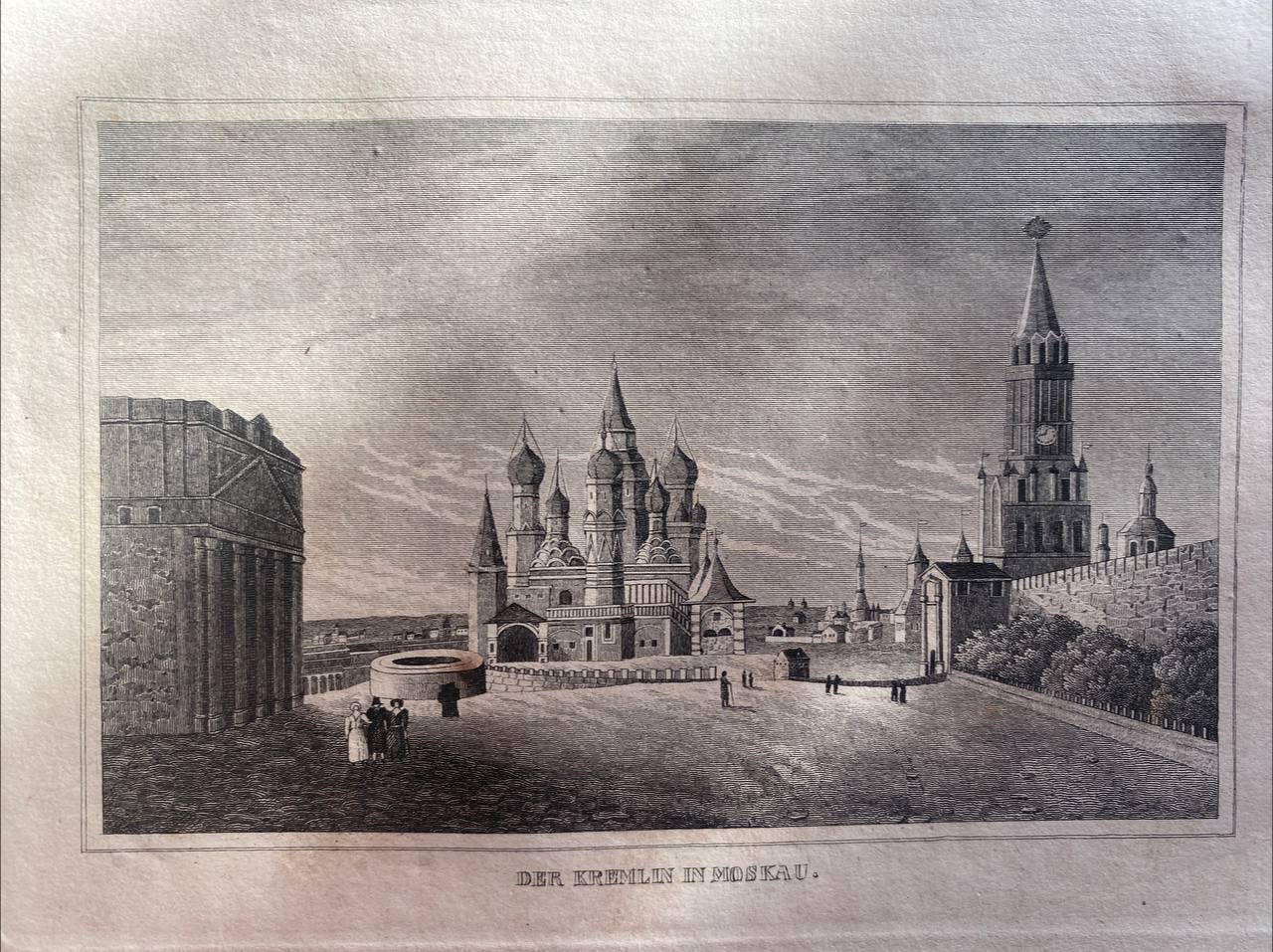
The Lobnoye Mesto on Red Square is the same as Golgotha. That is precisely the meaning originally invested in the structure. It was supposed that Moscow would have its own Jerusalem temple on the main square, that is, the Intercession Cathedral, and its own Golgotha, that is, the Lobnoye Mesto.
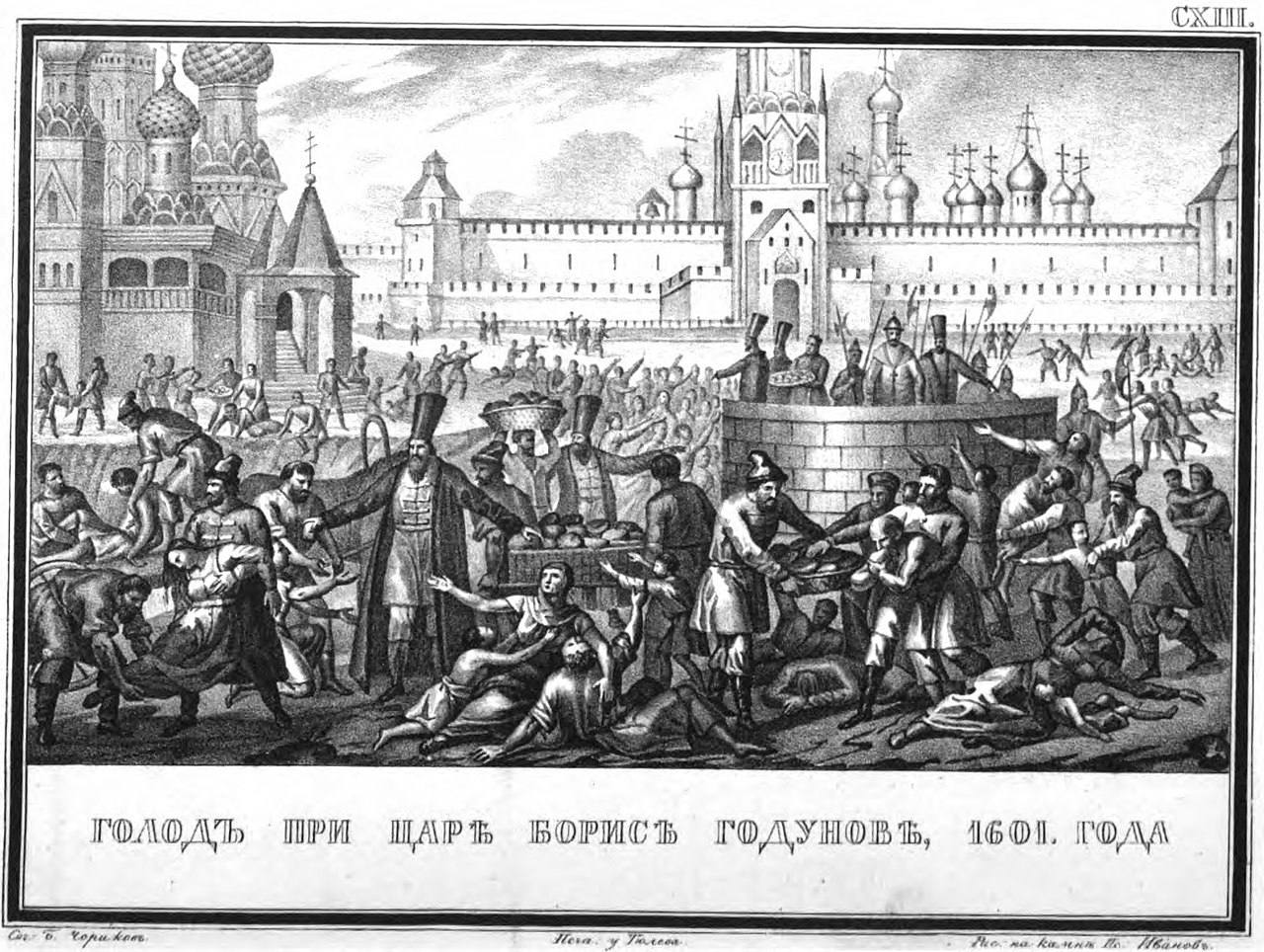
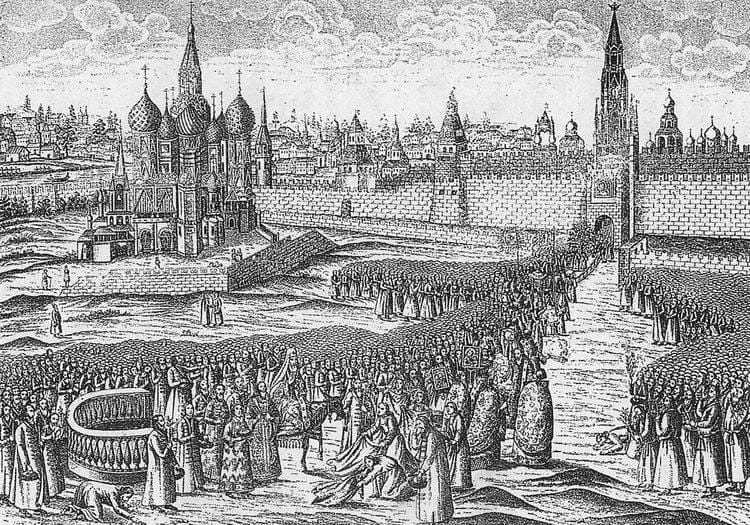
It is mentioned from the sixteenth century onwards. And, contrary to the established notion of it as a place of execution, it was originally used as a rostrum for the proclamation of decrees and for addresses to the people, but chiefly and primarily as a place for the performance of religious rites and the holding of services of intercession. It was from the Lobnoye Mesto that False Dmitry I spoke to the Muscovites, and it was to the Lobnoye Mesto that the corpses of his retinue were carried after the coup of May 1606.
And although Peter I began to put people to death on Red Square, the Lobnoye Mesto itself was not the site of executions: the scaffold was set up somewhere nearby, and somewhere nearby, too, severed heads were put on display.
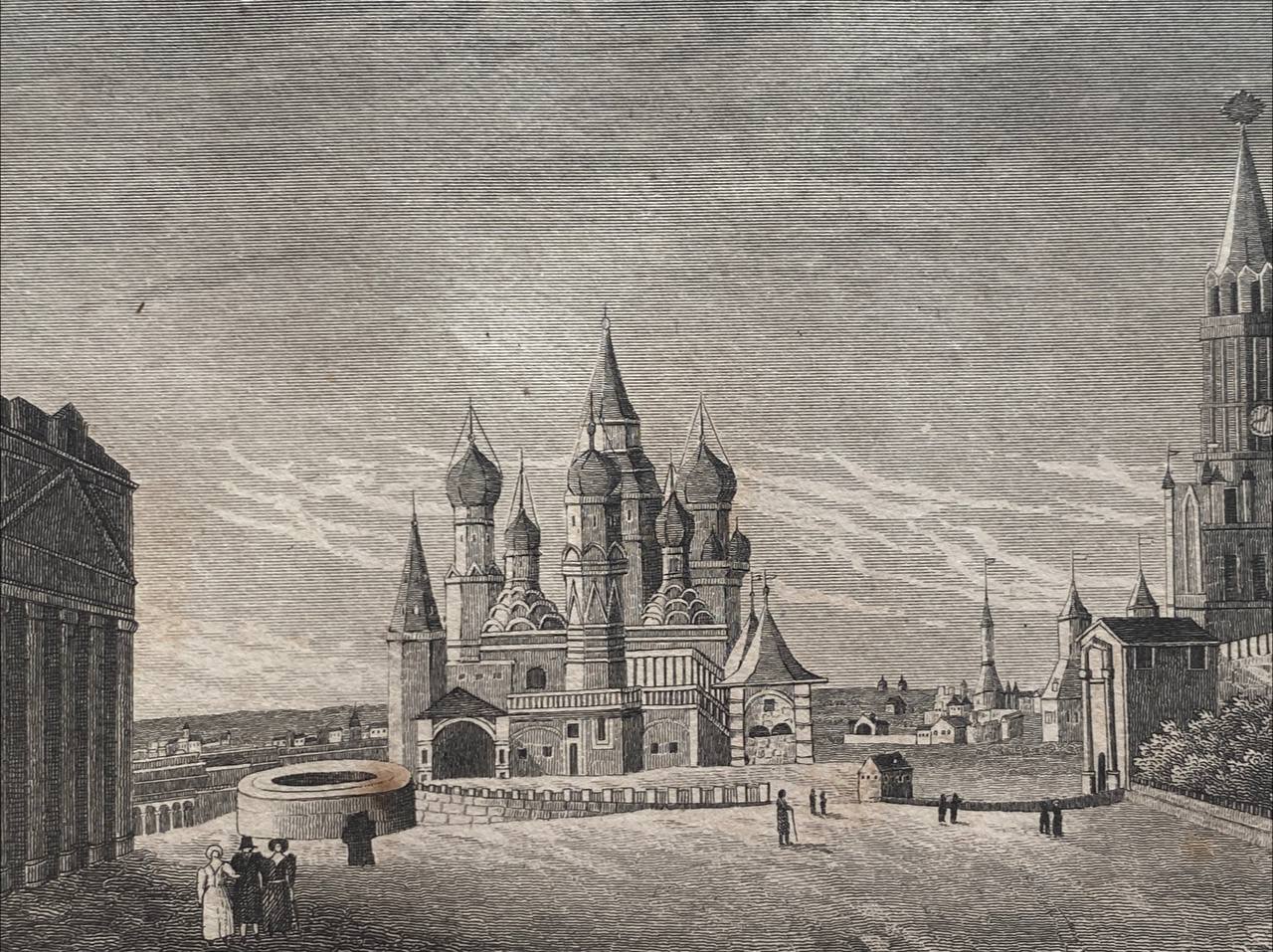
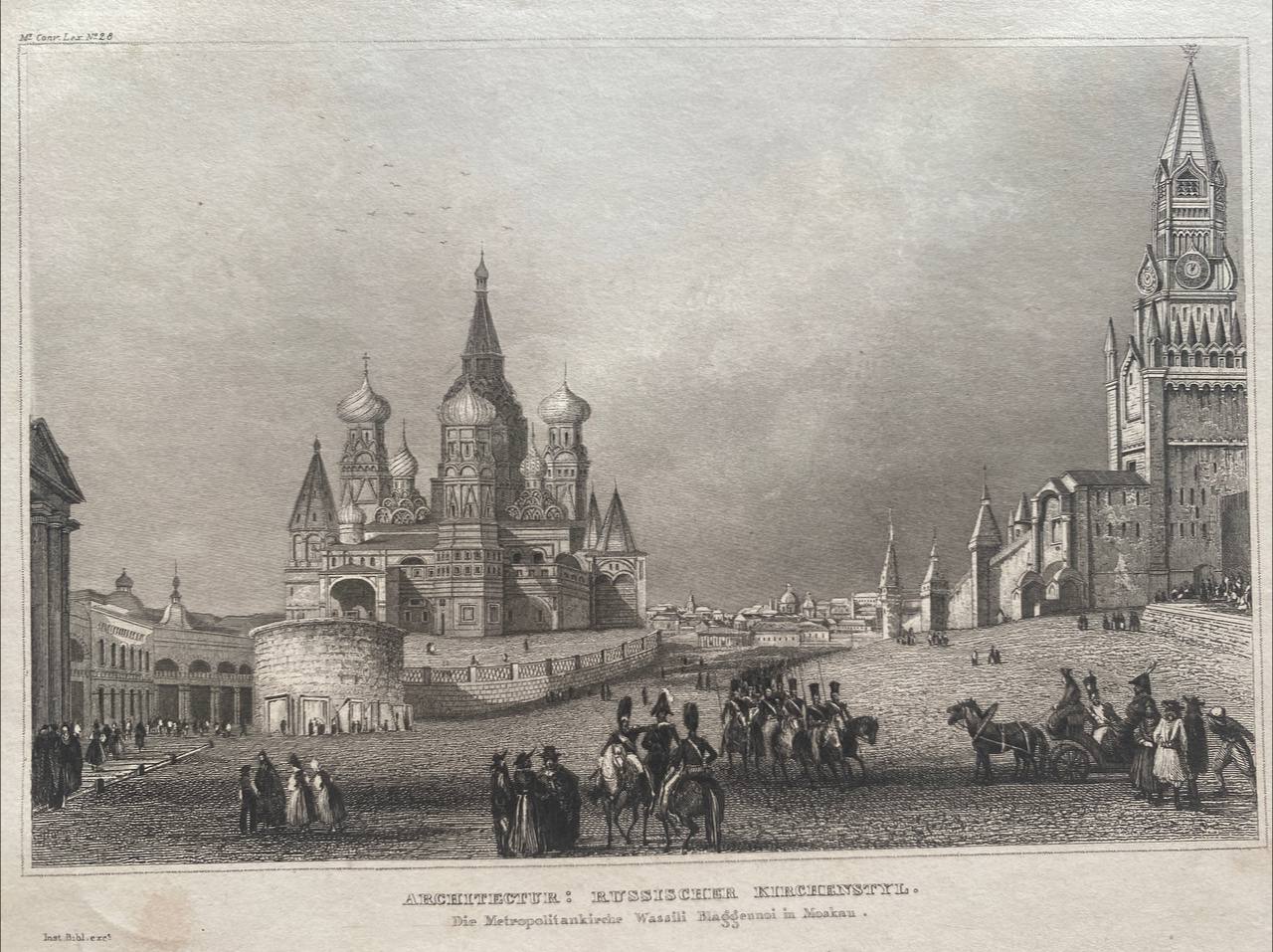
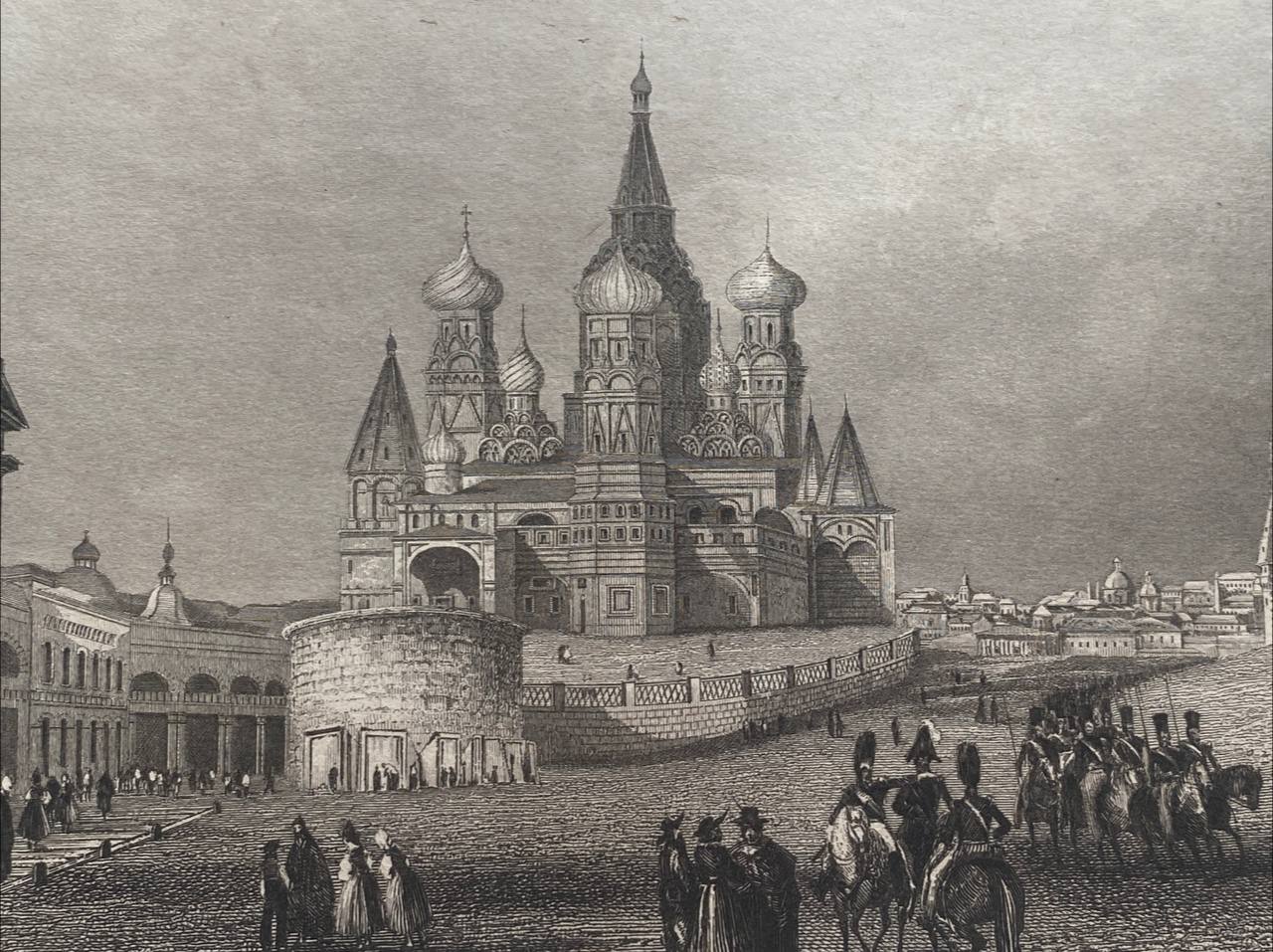
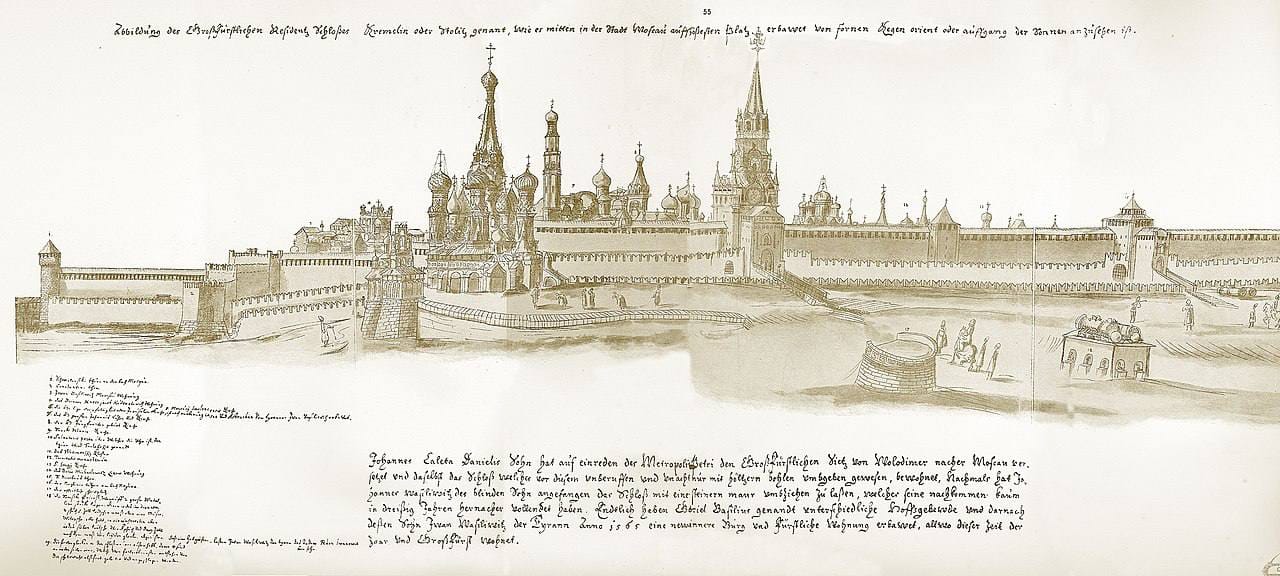
The appearance of the Lobnoye Mesto changed several times; it was of brick and of stone, 13 metres in diameter and several metres high. In historical images, however, the Lobnoye Mesto is drawn in different ways: as a semicircular balustrade, as a low little tower, and as a round pedestal.