
A team of researchers from Oxford, let us call the collective MacLeod and colleagues, has found traces of the plague bacillus about 5,500 years old in the DNA of the hunter-gatherers of the Baikal region
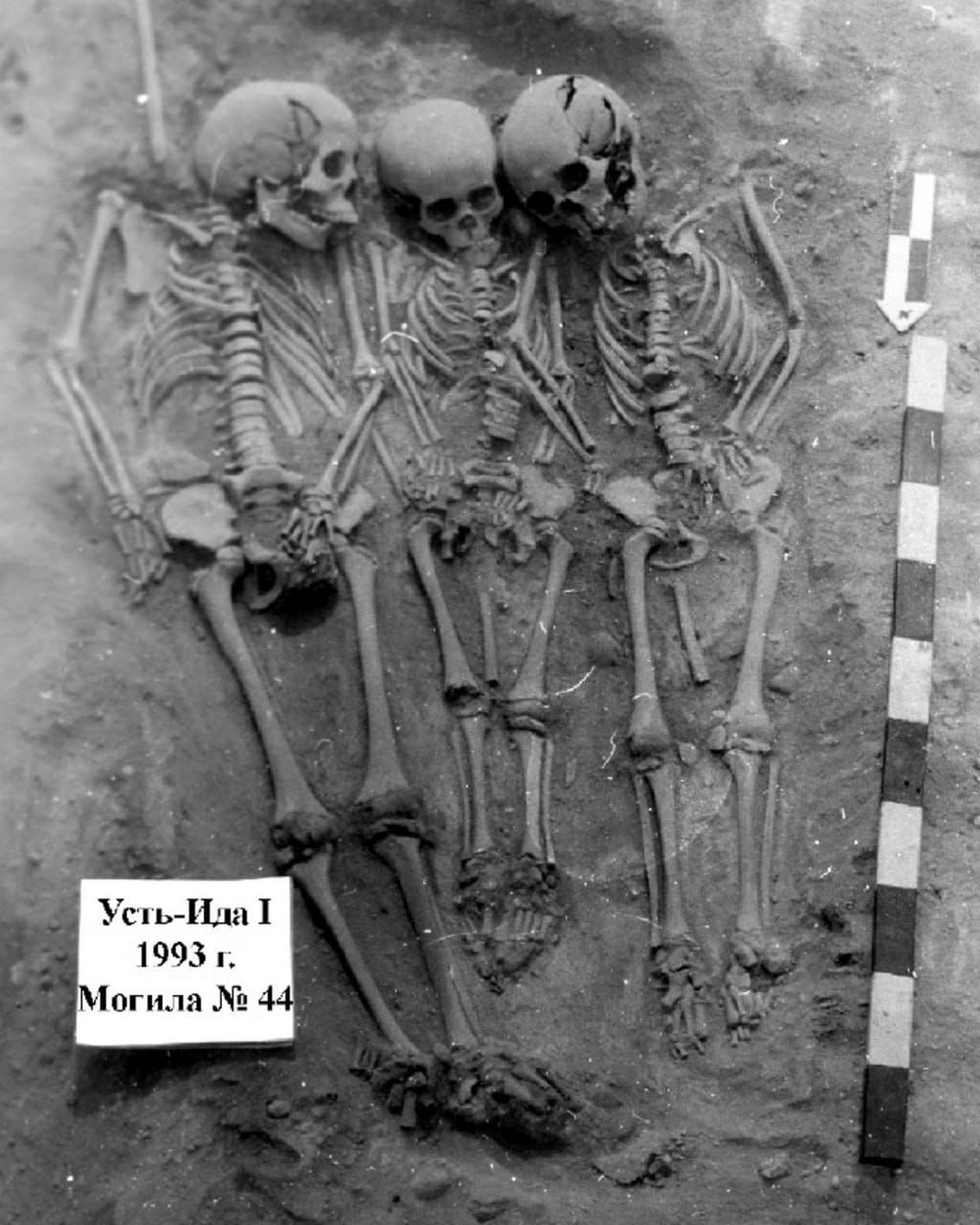
A team of researchers from Oxford, let us call the collective MacLeod and colleagues, has found traces of the plague bacillus about 5,500 years old in the DNA of the hunter-gatherers of the Baikal region. This is the earliest outbreak of plague recorded in archaeological material. The Plague of Justinian would not come for another four thousand years. The material consists of teeth from four burial grounds around Lake Baikal, among them Ust-Ida. The work was carried out on the archaeological collection of the international Baikal Archaeology Project at the University of Alberta. Of the 46 remains of children and adolescents examined, at least 18 died of plague, and the presence of the bacillus was confirmed in 39% of the burials.
For a long time it was taken for granted that plague epidemics required crowding, and so accompanying factors were named: agriculture, settled life, towns, close contact with livestock. The Baikal groups were mobile hunter-gatherers numbering a few dozen people. But this did not prevent them from dying out whole families at a time, as shown by common graves, hasty burials and burial grounds used only once. The source of the disease was the marmot, which remains the natural reservoir of plague in the region to this day. Infection came through butchering or undercooked meat, followed by transmission from person to person. This early lineage did not yet have the ymt gene, which ensures the bacterium's survival in the gut of the flea and is responsible for the bubonic form, and it most probably spread in the pneumonic form, by airborne droplets.
These Baikal populations carry the Ancient North Eurasian component, the very ancestral layer which, by way of the Mal'ta-Buret' site, is the ancestral group of the American Indians.
As for marmots and other steppe rodents, they become carriers not only in the case of plague, but also, for example, of the recently much-discussed hantavirus, which is transmitted by airborne dust and appears after contact with murine rodents in particular.