A Painting by Peter Paul Rubens Plunges the Viewer into the Dramatic History of the Ancient East
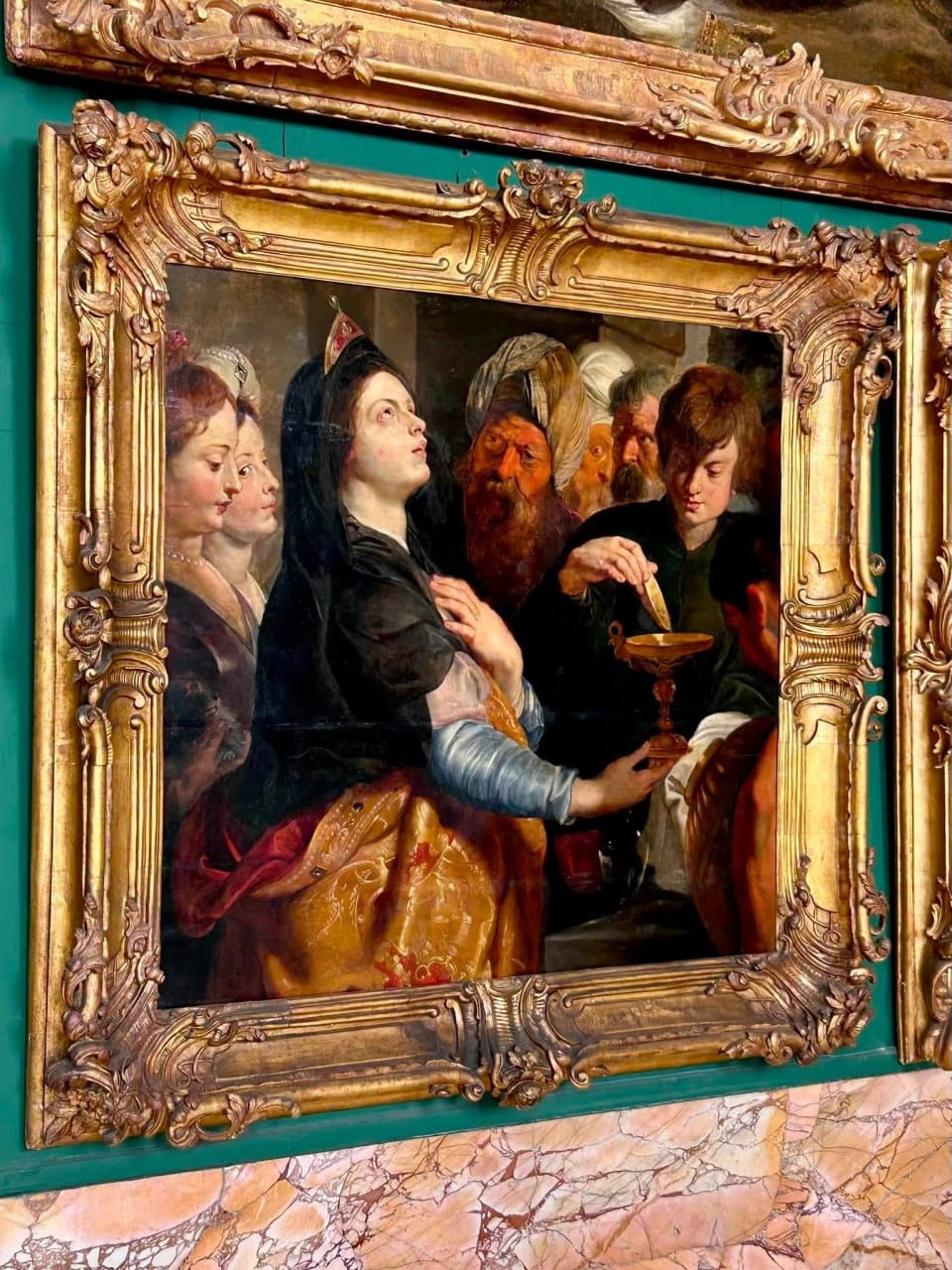
A painting by Peter Paul Rubens plunges the viewer into the dramatic history of the Ancient East. The subject is taken from the life of Queen Artemisia, who ruled Caria in the fourth century BC. This realm lay on the territory of present-day Turkey and formed part of the mighty Persian Empire. After the death of her husband and brother Mausolus, the inconsolable ruler resolved to dissolve his memory, quite literally, in herself. She ordered her husband's body to be burned, mixed the ashes with wine and drank the potion, becoming a living tomb for the man she loved. At the same time she set about building the grandiose Mausoleum at Halicarnassus, which entered history as one of the Seven Wonders of the World.
Rubens recreates this Asiatic legend through the prism of the Baroque opulence of his own day. The East on the canvas is recognisable by its abundance of costly imported fabrics, heavy brocade and exotic turbans on the heads of the minor figures. The meticulously painted jugs and bowls recall the precious vessels that European merchants brought from the lands of the Levant. At the same time, the architectural elements in the background allude to the real historical setting of Halicarnassus, where Greek classicism mingled with monumental Persian traditions. For the European public of the seventeenth century, this story from the distant past of Asia Minor served as the supreme symbol of absolute conjugal fidelity.