Émile Zola describes the château of Rambouillet, with its forest and surroundings, as a paradise to which one longs to flee from the heat of the stone corridors of Paris, in "Au Bonheur des Dames"
Émile Zola describes the château of Rambouillet, with its forest and surroundings, as a paradise to which one longs to flee from the heat of the stone corridors of Paris, in Au Bonheur des Dames ("The Ladies' Paradise"). To this day it remains one of the most picturesque and verdant places around the French capital, still quite secluded for want of collections of art and jewels, and not the most attractive destination for crowds of tourists.
Not far from the château of Rambouillet, 45 km from Paris, a dairy farm was built for Marie Antoinette in 1785-1787 by order of Louis XVI. To be honest, it does not look like a farm at all, rather an original, compact ensemble of palace and park.
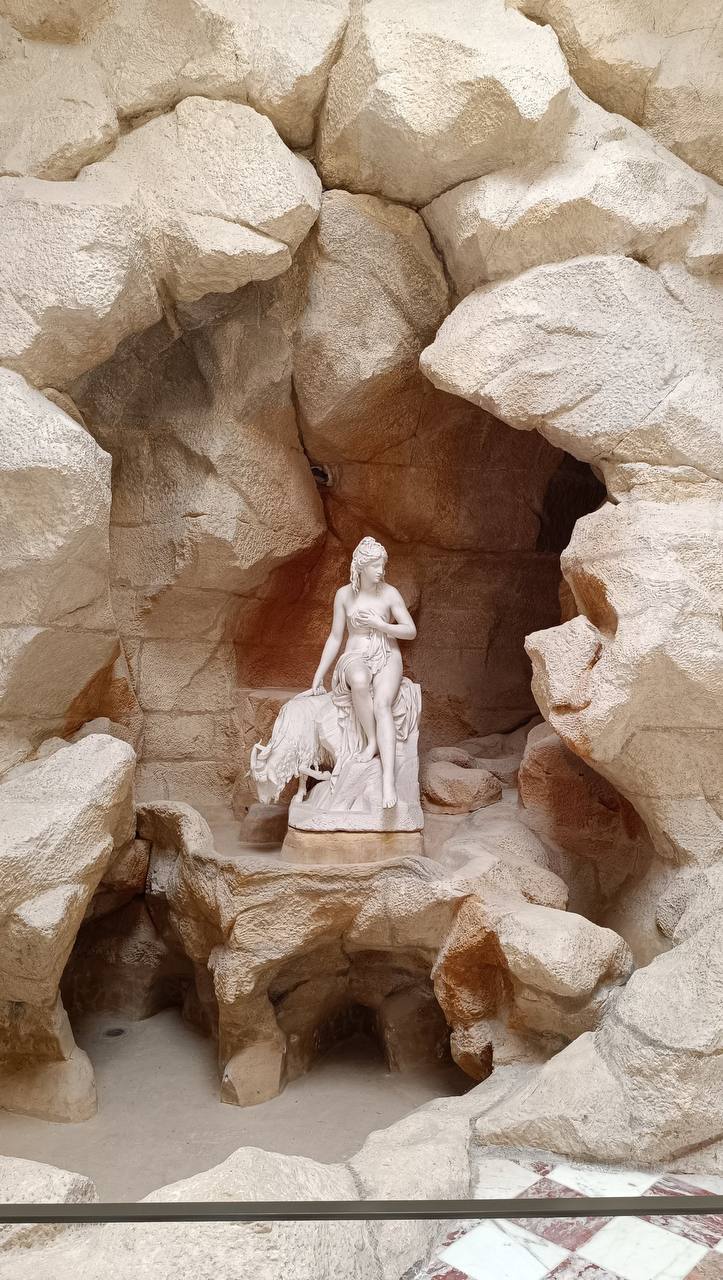
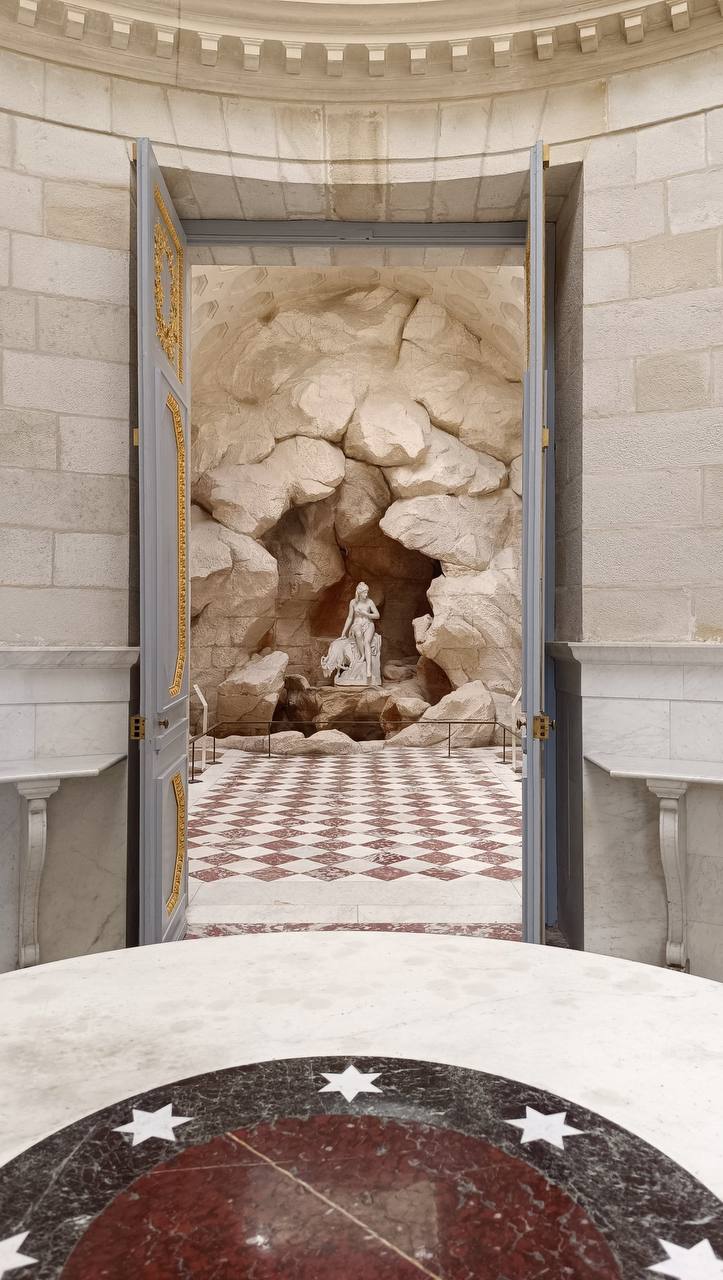
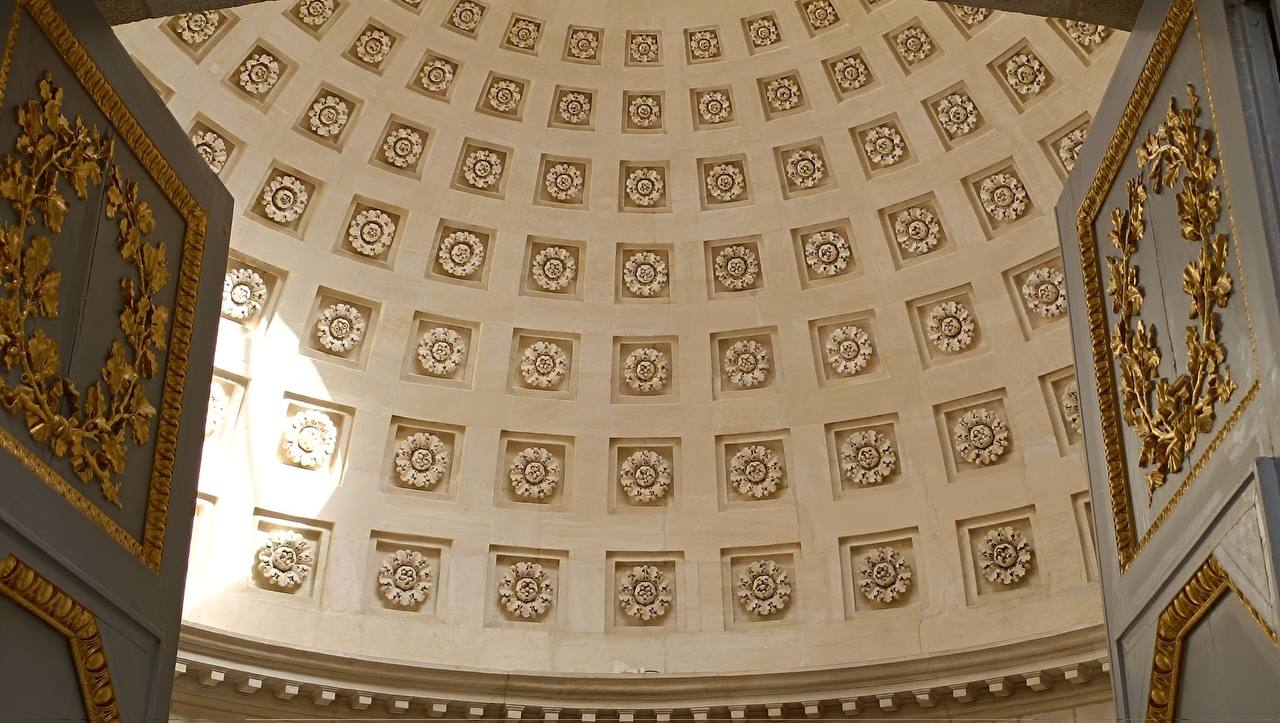
In a small Greek temple, for instance, is a tasting room with a domed coffered ceiling and its own decorative grotto, which in Marie Antoinette's day served as a place for cooling the milk.
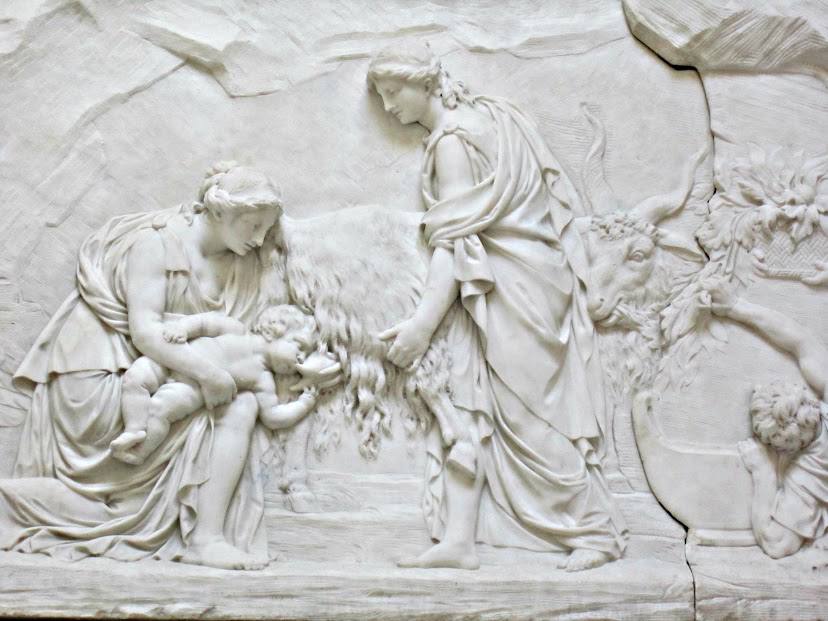
In the grotto stands a sculpture of the nymph-goat Amalthea. The legendary goat who suckled Zeus on the island of Crete hid him neither in heaven, nor on earth, nor in the sea, but in a cradle in a tree, when Cronus was searching for his son in order to destroy him. Zeus made Amalthea's hide into a shield, the very aegis with which he covered himself in the war against the Titans. And Amalthea herself, with her kids, he transformed into a constellation.