It was with a heavy heart that I learned that Rome had been bombed
It was with a heavy heart that I learned that Rome had been bombed. Yet this was news I had been expecting for several months. Can there really be so many military objectives in Rome? I did not remember it so. Perhaps the railway station is of the utmost importance to Germany and to the movement of troops, and it is this that the British and American bombers have set about destroying; but a fragment of the oldest Roman walls survives within the station grounds, and nearby stands the church of Santa Maria degli Angeli, which houses a beautiful statue of Saint Bruno by Houdon. I fear immense damage, for which nothing will be able to compensate, because Rome belongs to the whole world just as much as to Italy, and it will now be very hard for us to prove that we are fighting for civilisation. But our world, the world bequeathed to us by twenty centuries of culture, is under a terrible threat. If Rome by some miracle escapes complete destruction in this war, there is great reason to fear that it will vanish in one of the conflicts to come. What awaits us in the future. Let us try not to cling to the past; at times it is very difficult.
Diary of the French writer and American correspondent Julien Green, 19 July 1943.
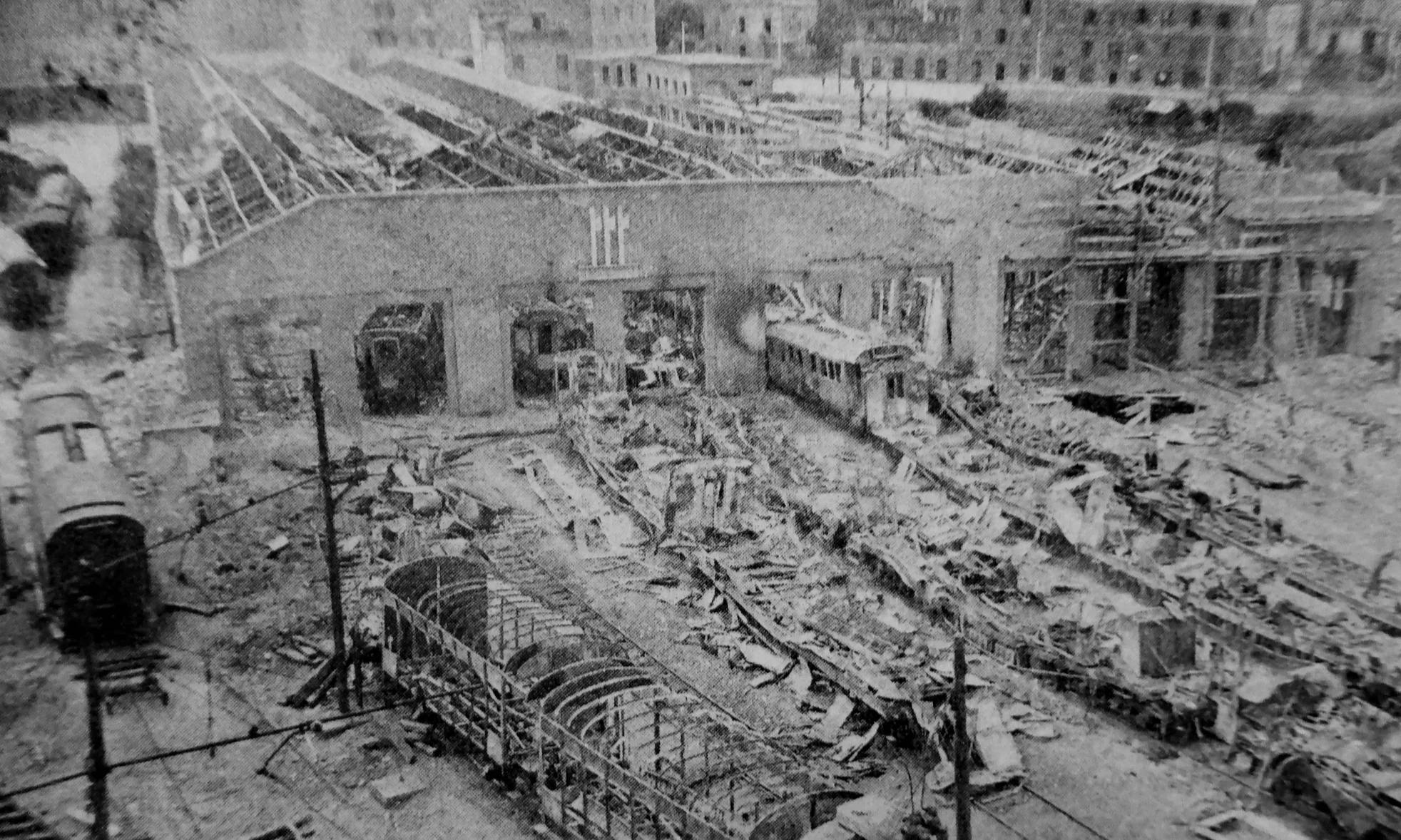
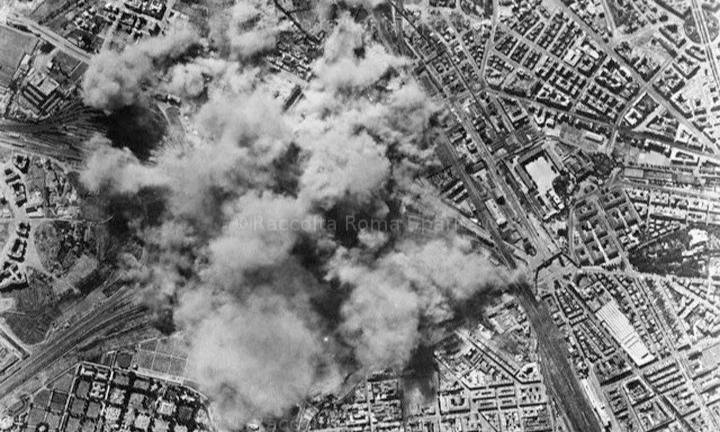
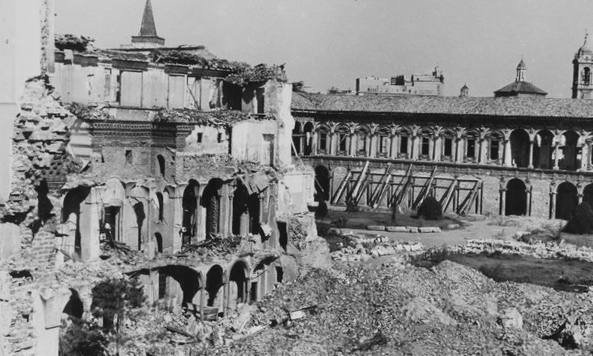
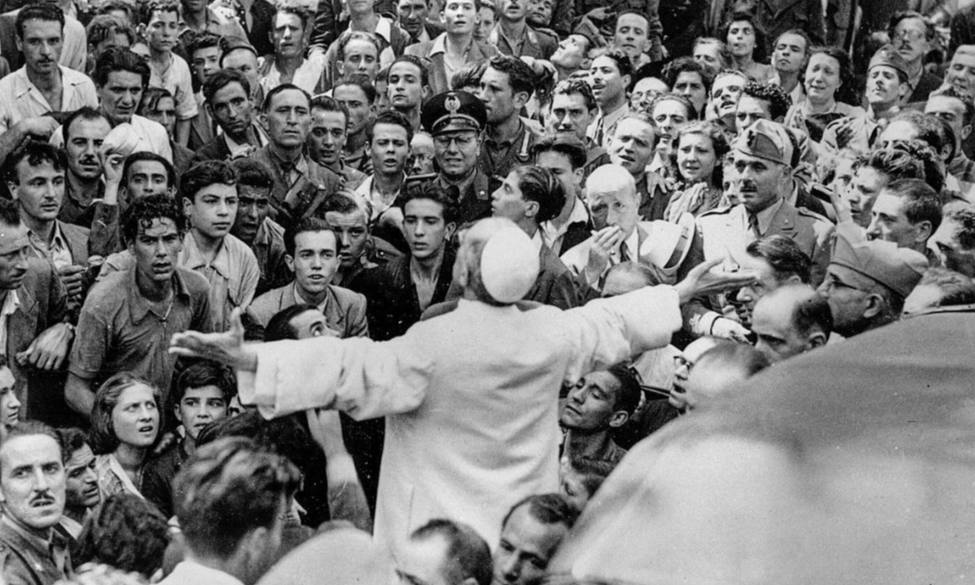
On 19 July 1943 more than 500 Allied aircraft bombed the railway installations of Rome for nearly four hours. This air raid on the Italian capital, the first of the war, claimed the lives of more than 3,000 people, left 6,000 wounded and partly destroyed the Basilica of San Lorenzo fuori le Mura. Soon after the attack ended, the stunned inhabitants of the devastated district saw Pope Pius XII himself step out of his official car, pick his way through the rubble and pray for the victims. This impromptu visit made a profound impression on the exhausted and embittered Romans.
The bombardment lasted more than two hours; 1,168 American bombs seriously damaged some 10,000 buildings, and the fires that broke out could be put out only after two days.
This was the first but not the last bombing of Rome: the ancient city was bombed from the air at least 12 times, and the most destructive raid was the one in which 60,000 bombs were used.