Researchers find that Neanderthal birch tar could have served as an antibiotic
If an English actress takes the products of human combustion as a sedative, then the products of burning birch bark, scientists have found, may have been used by Neanderthals as an antibiotic. Researchers from the universities of Cologne, Oxford and Liège, and from Cape Breton University in Canada, have established that Neanderthal birch tar may have served not only as glue but also as medicine.
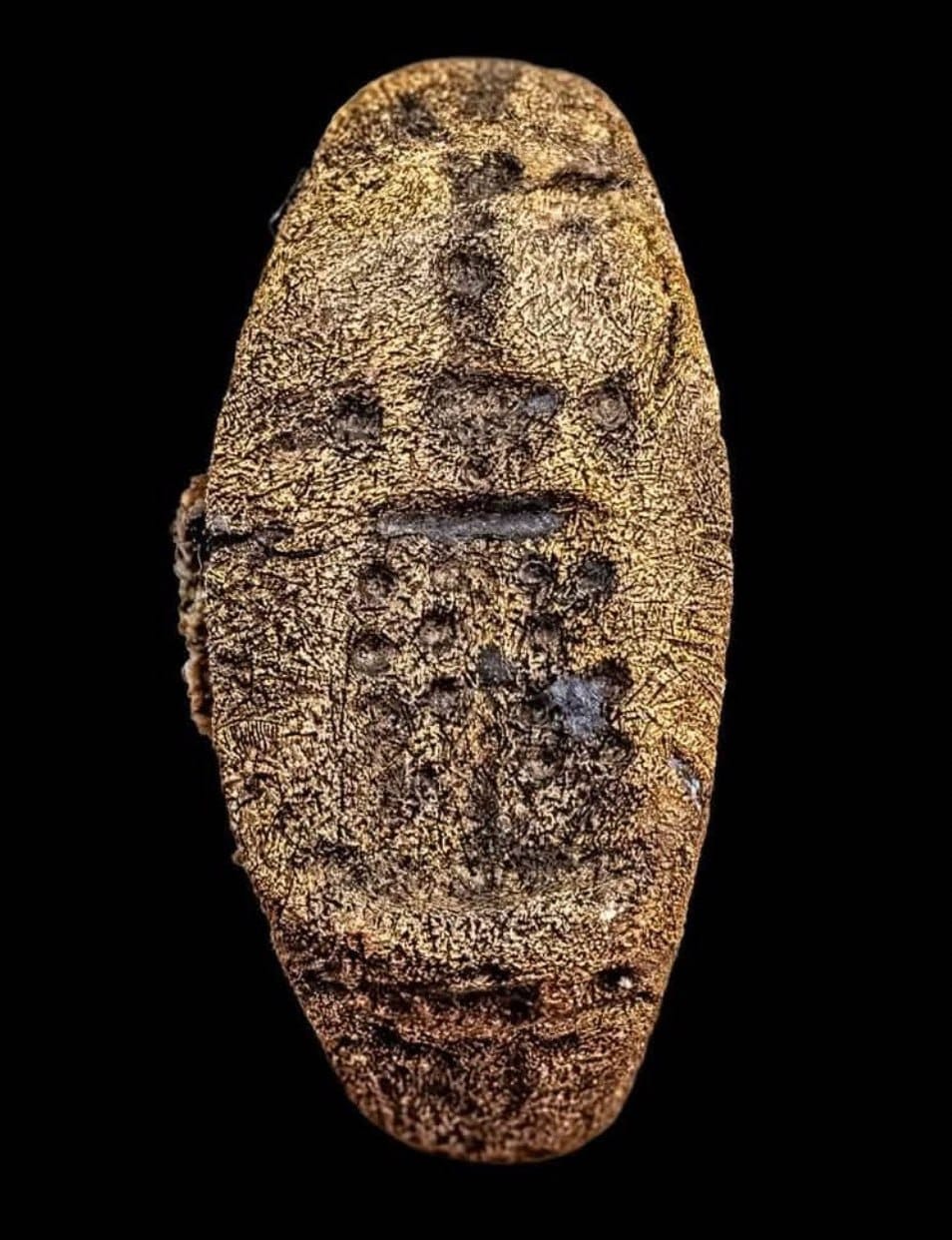
Archaeologists have found traces of birch tar at many Neanderthal sites across Europe, most often on stone tools. It was usually regarded as an adhesive, with which Neanderthals fixed stone points to wooden handles.
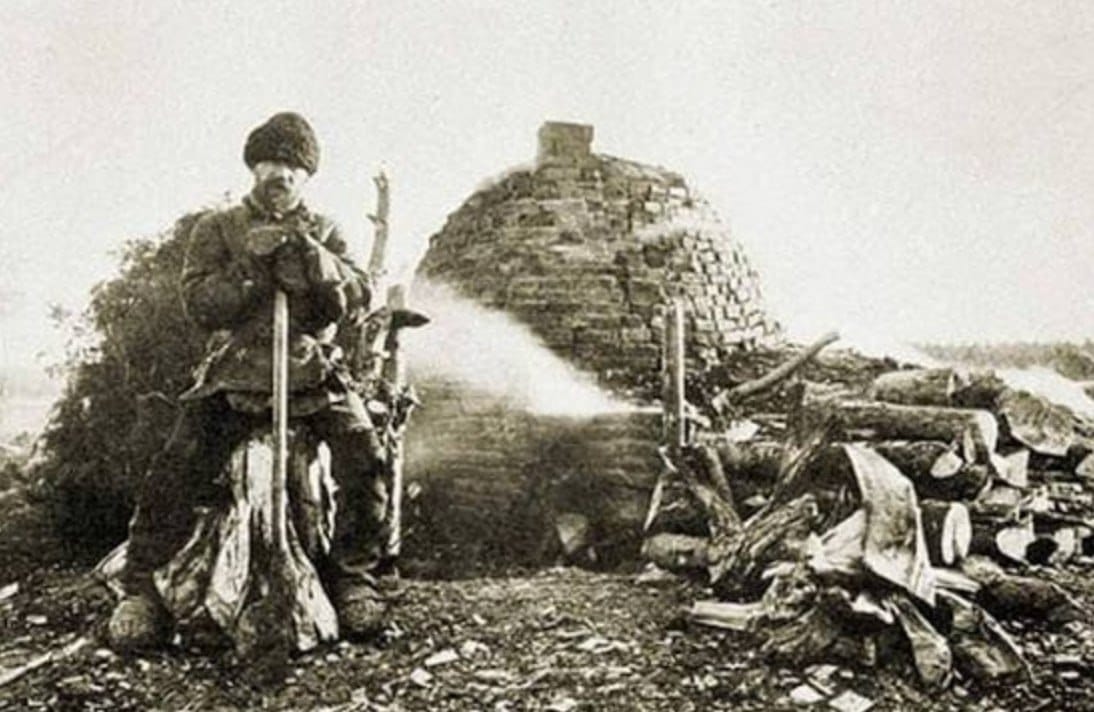
The researchers produced tar by ancient methods from the bark of tree species that grew in the Neanderthal era. In one case they used dry distillation: the bark was heated in a closed underground pit with almost no access to oxygen, and it decomposed, releasing tar. In the other they used a simplified method: the bark was burned next to a stone, and the tar vapours settled on the cold surface as a sticky layer.
In the laboratory, all the samples suppressed the growth of Staphylococcus aureus. This bacterium often causes dangerous wound infections, and its antibiotic-resistant strains are hard to treat in hospitals. The method of producing the tar made no difference to the result. In all likelihood, the antimicrobial properties of birch tar may have mattered as early as the time of the early Neanderthals. This claim obliges us to look more closely at the natural antibiotics known from ethnography and archaeology. The authors stress that their experiments do not prove that Neanderthals actually treated wounds with tar