If Leo XIV is the first American Pope, then Leo XIII created the term "the heresy of Americanism"
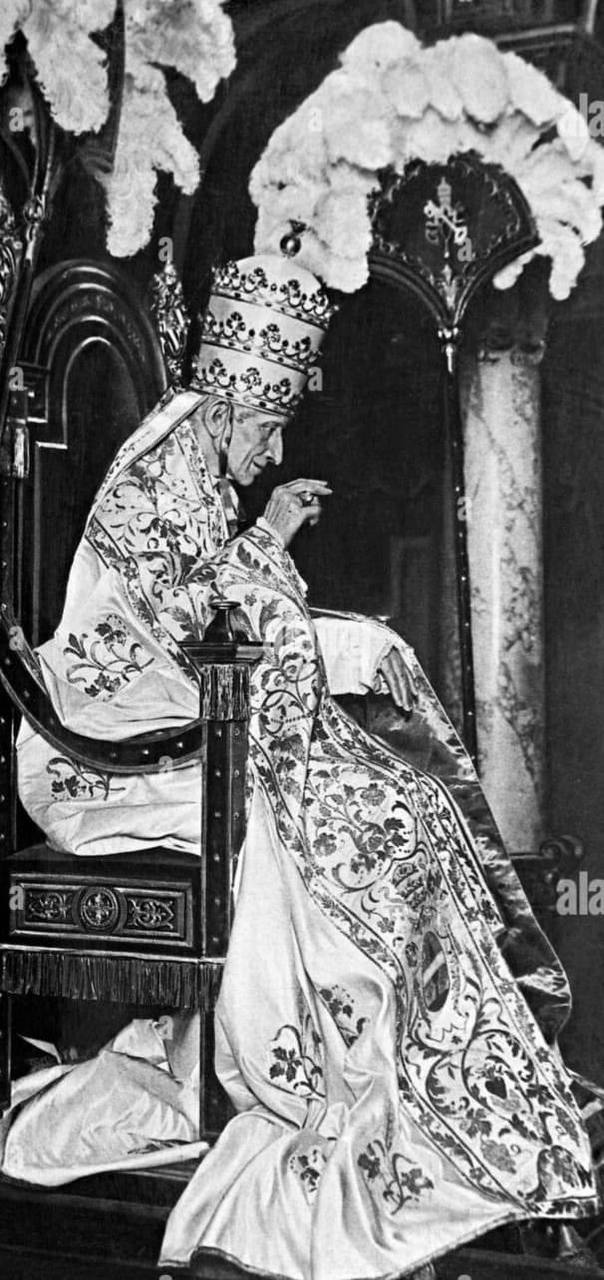
One of the stumbling blocks between the Catholics of the United States and the Vatican during the pontificate of Leo XIII was the wish of the American clergy for changes, so that the Church might become one of the pillars of the state order.
It was precisely in this period that the role of the American Church grew stronger, not only in the States themselves but in the affairs of the Vatican: the Catholic Church in the USA became a real force, and not merely one foreign church among others. Particular anxiety arose in the Vatican after steps towards a rapprochement between American Catholics and American Protestants.
Leo XIII addressed to the powerful American Cardinal Gibbons the encyclical Testem benevolentiae, "Witness of Goodwill", in which he voiced the suspicion that the Americans were planning to create in the USA a special church, different from the one existing in the other countries of the world. Thus the term heresy of Americanism appeared. Grigulevich (and in this, at least, he may be trusted) quotes a letter from the representative of the Russian Empire at the Vatican: "The heresy of Americanism is born of the doubts of American prelates as to whether the Roman Catholic Church, being a specific product of Latin culture and, in particular, of the city of Rome, founded on blind submission to authority and accustomed to lean upon secular governmental power… whether this Church in its present form can exist and prosper in North America, where Anglo-Germanic culture prevails, where public and private life rests on freedom and self-reliance, and where the Church is entirely separated from the state."
Leo XIII condemned the heresy of Americanism. But matters went no further: the Pope then allowed the American episcopate to adapt to local conditions, and to call for the union of all Christian churches, though on condition of unswerving support for the Vatican.
The situation changed during Spain's war with the Cuban and Philippine patriots. The Pope, godfather to the heir to the Spanish crown, the future Alfonso XIII, petitioned the President, the government and the American elites in every possible way to preserve American neutrality and, when that proved fruitless, to allow Spain to keep at least the Philippine possessions. The Americans would have none of it: they crushed the forces of Spain and occupied the Spanish possessions, which, strangely enough, provoked fits of sympathy in the Vatican towards the USA, expressed in the local clergy's support for the American invasion, though they had only just been supporting the Spaniards.
Subsequently the American authorities in the former Spanish territories maintained close relations with the Vatican in the push-me-pull-you style. The Americans abolished church marriages in Cuba, and then secured compensation for the Church for the damage caused by the secularisation of land; afterwards they obtained the Vatican's consent to the purchase of former church estates in the Philippines.