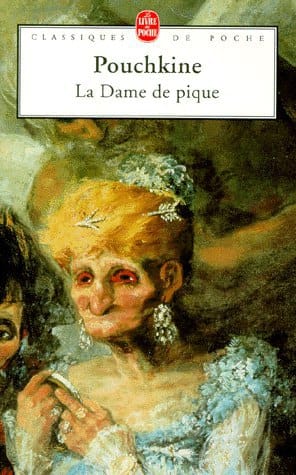
NB! · Books · People

NB! · Books · People
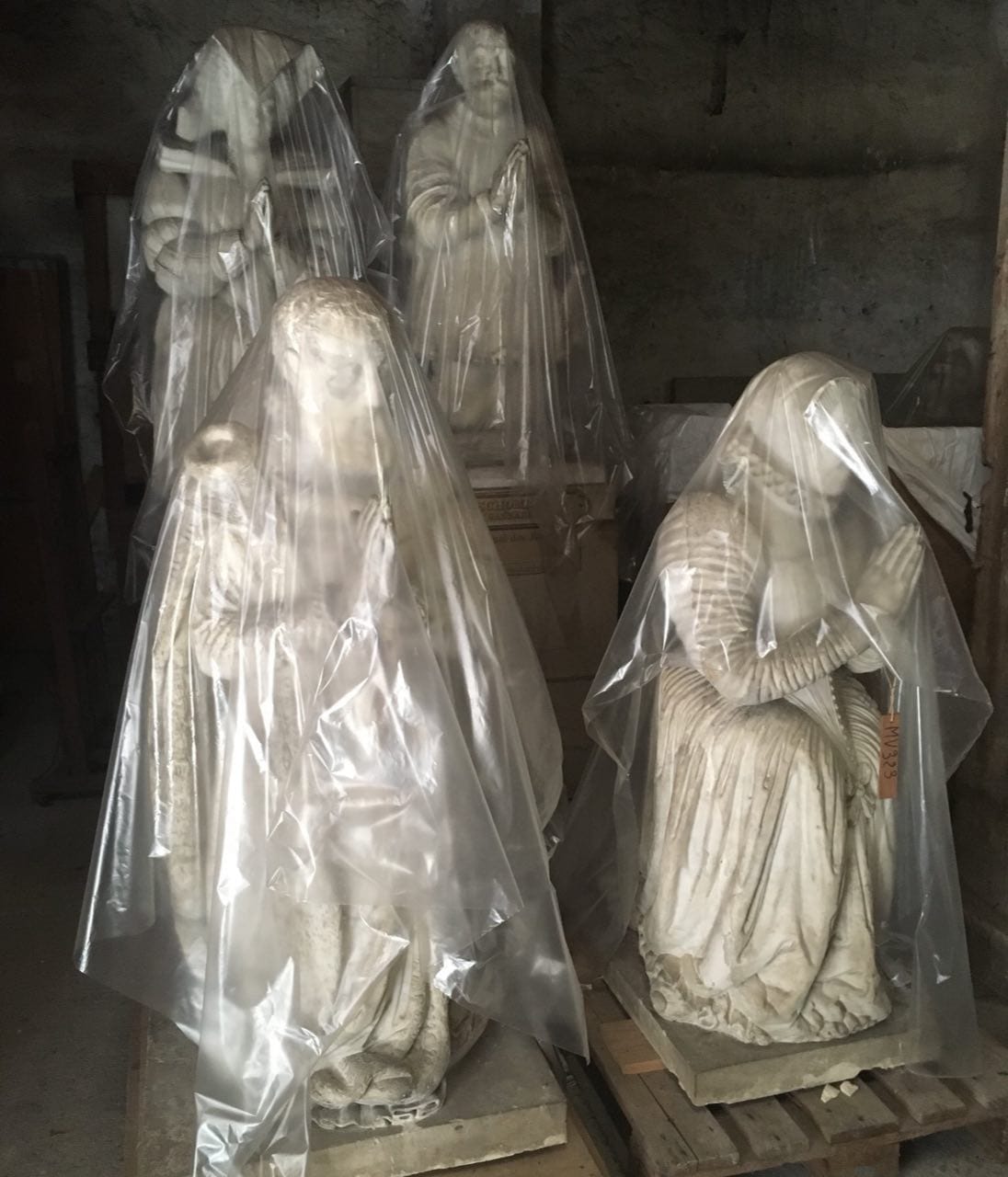
NB! · Faith
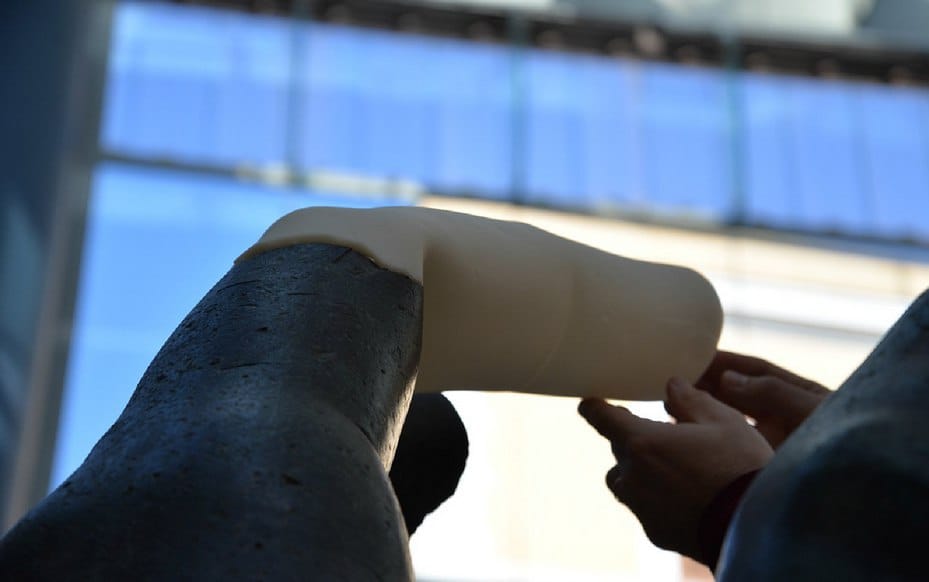
NB! · Archaeology · Monarchies · Museums · Heritage · Paris · Rome
A long-awaited reunion! A copy of the finger recently discovered in the Louvre is being fitted to the hand of the Emperor Constantine in the Capitoline Museums
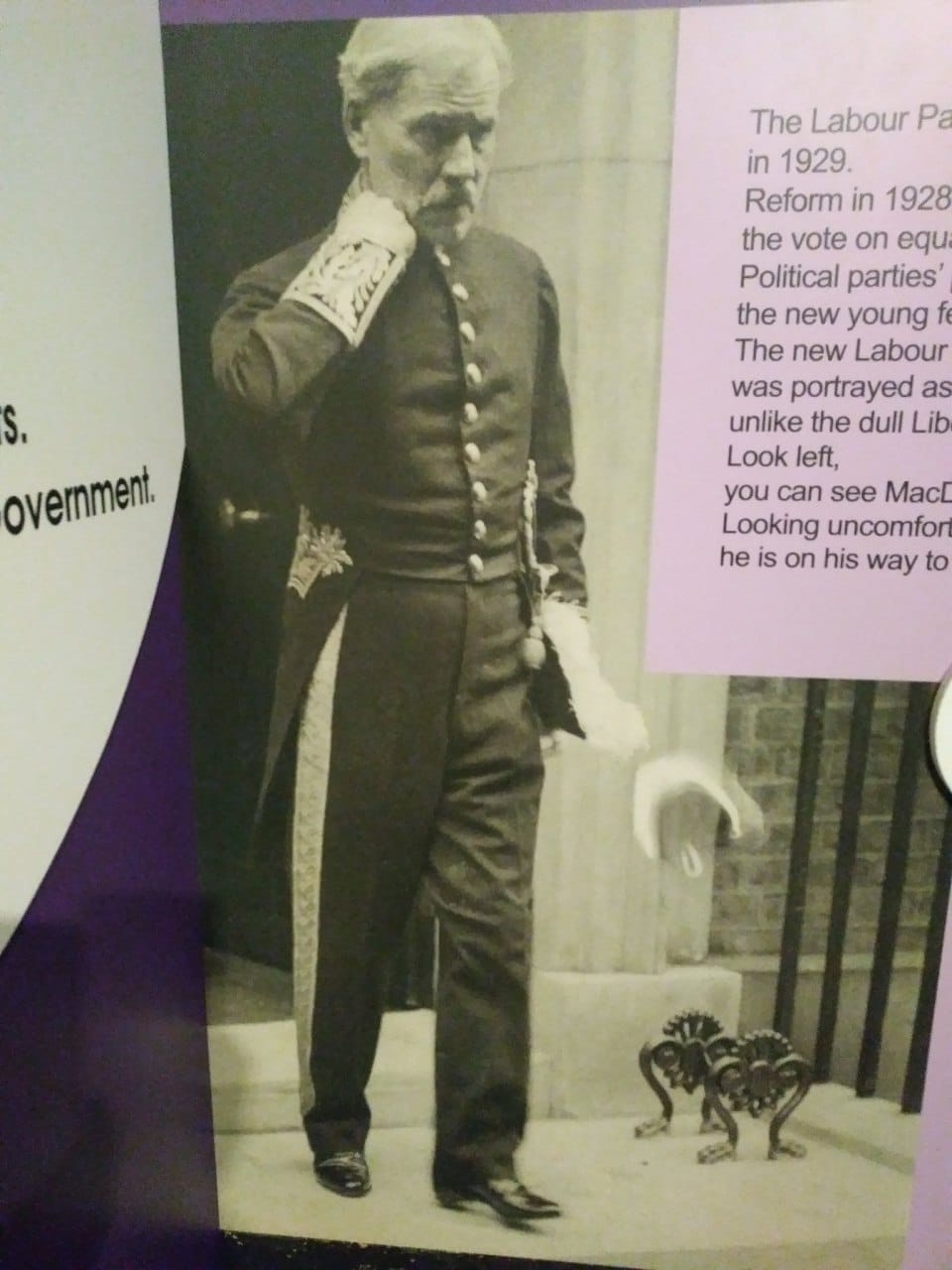
NB! · Archive · Monarchies · Observations · People · Humour
An amusing photograph of Labour Prime Minister James Ramsay MacDonald looking thoroughly ill at ease in court dress. Note in particular those wonderful little feet
NB! · Faith · Art · Heritage
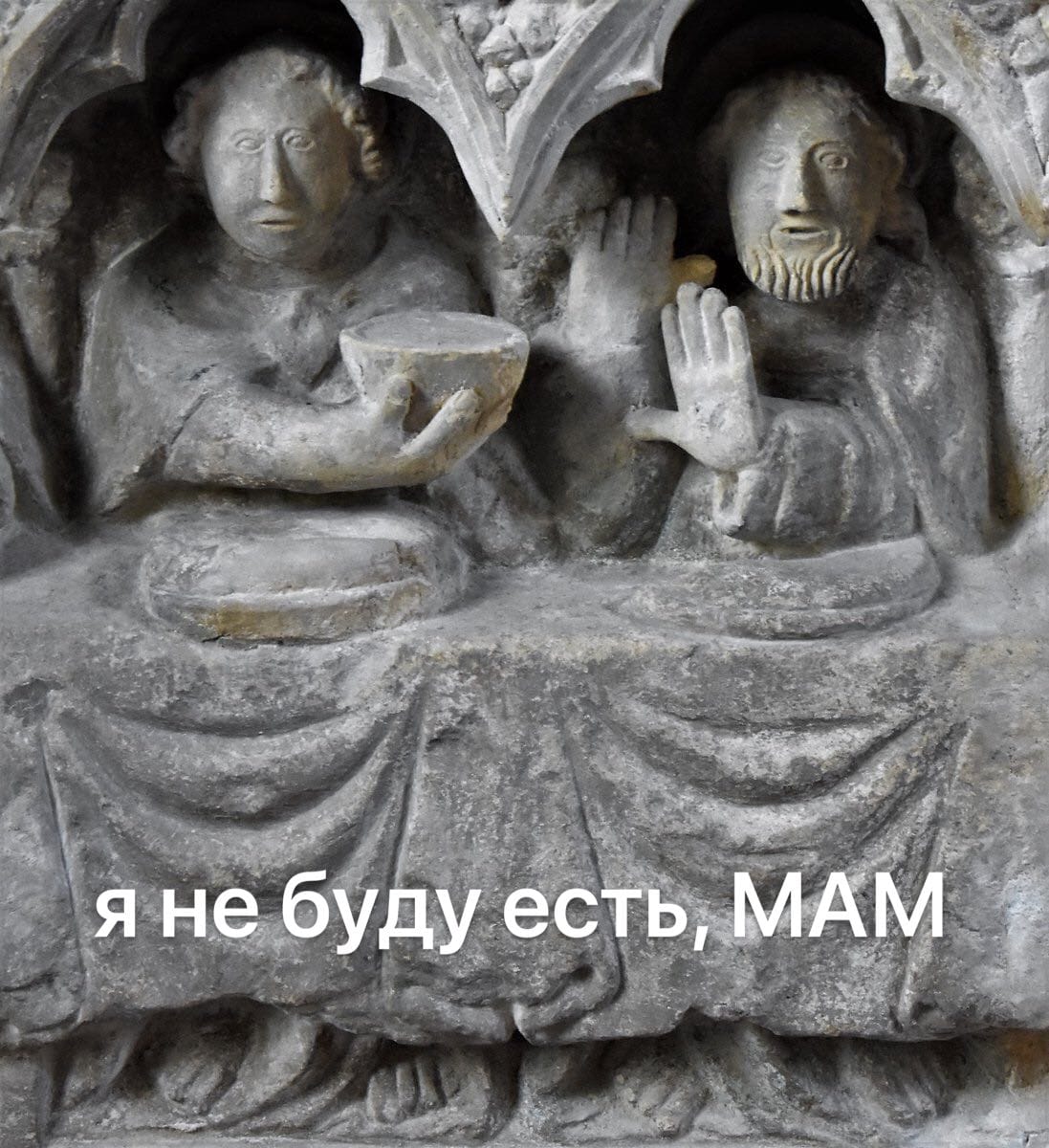
An Apostle refuses the cup of drink or the food at the Last Supper. The beautifully preserved stone reredos of the 1400s from Somerton church survived Puritan iconoclasm by being hidden behind boards
NB! · Archive · Science · Mores
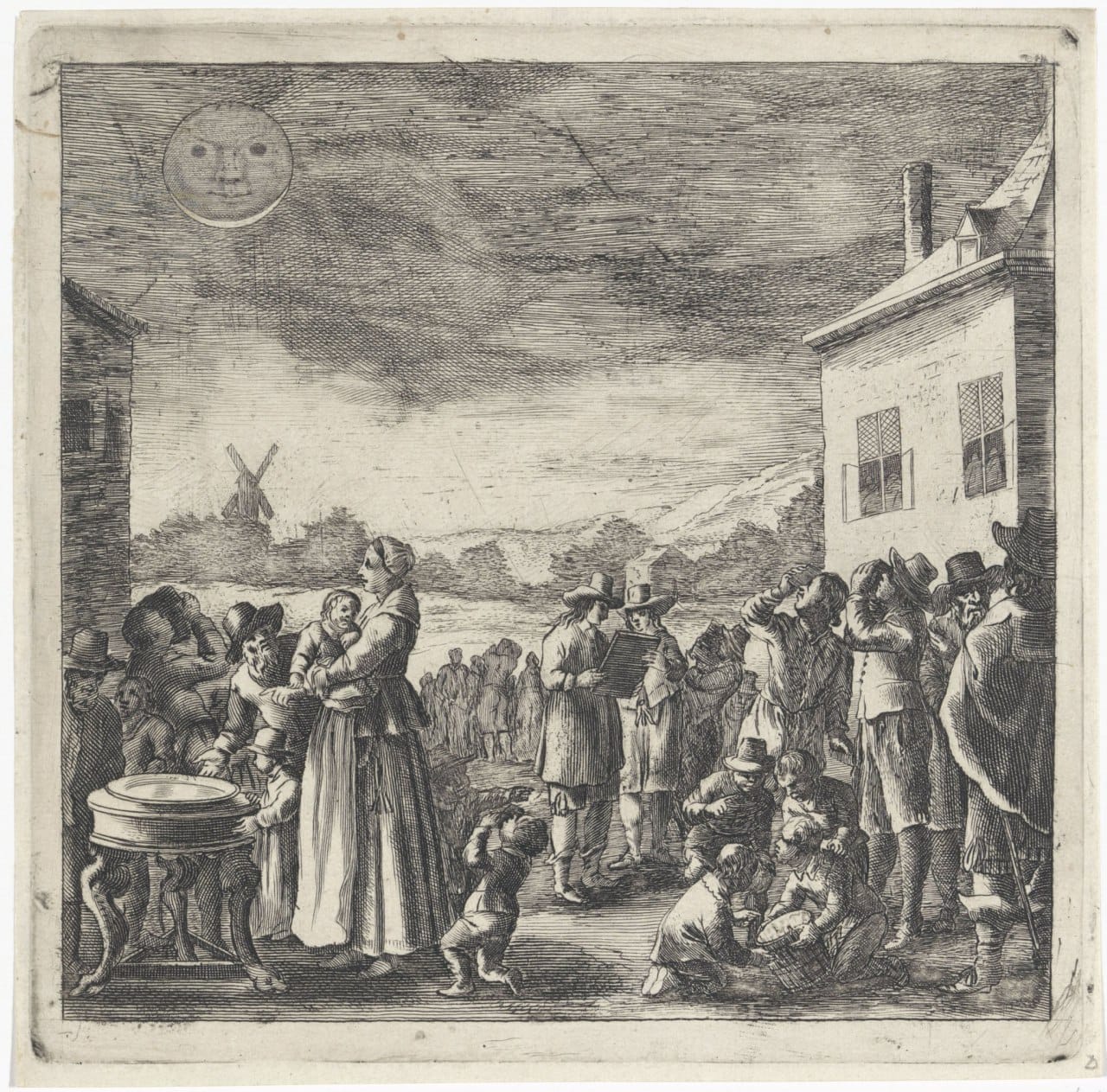
How was a solar eclipse observed in the seventeenth century? On 12 August 1654, people looked at the sun through smoked glass; the more resourceful used a mirror, and the very cunning a dish or a bucket of water
Science · Paris · People
In 1908 Ilya Mechnikov received the Nobel Prize for his work on immunisation: in his time he had discovered, in the larva of a starfish, mobile cells that destroy foreign bodies. The discovery of phagocytes made no proper impression on the scientific world, either in Russia or in the West.
Aristocracy · Archive · Monarchies · Mores · Society · Humour
Princess Olga Paley, the morganatic wife of Grand Duke Paul Alexandrovich, sixth son of Alexander II, has an interesting recollection of how, at the end of 1917, the Bolsheviks came to requisition her palace at Tsarskoye Selo. The Soviet had resolved to occupy the palace for want of premises. Paley
NB! · Aristocracy · Architecture · Observations · Heritage
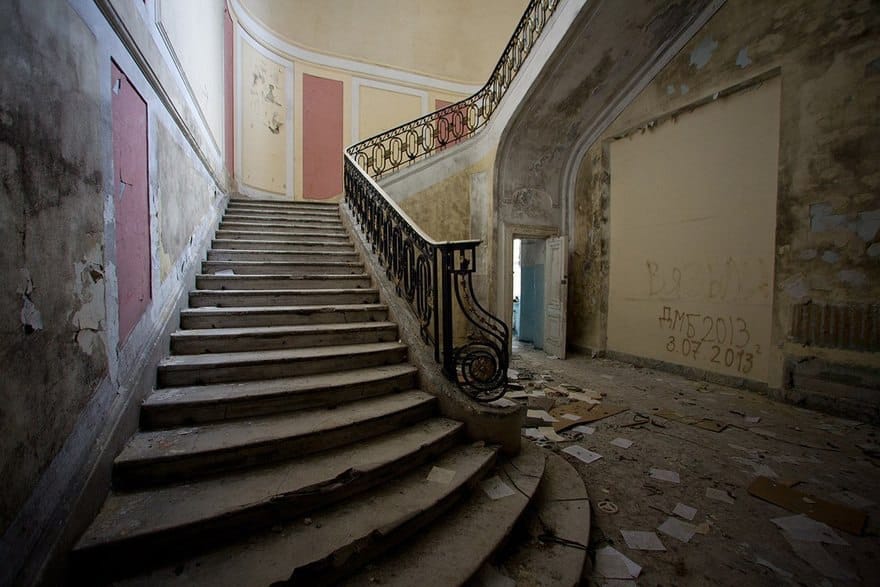
The grand staircase of Princess Olga Paley's neoclassical Palace in Tsarskoye Selo. A Russian Trianon in utter dereliction, it now belongs, it seems, to some orthopaedic institute or other
NB! · Observations · Palaeontology · Nature
NB! · Observations · Humour
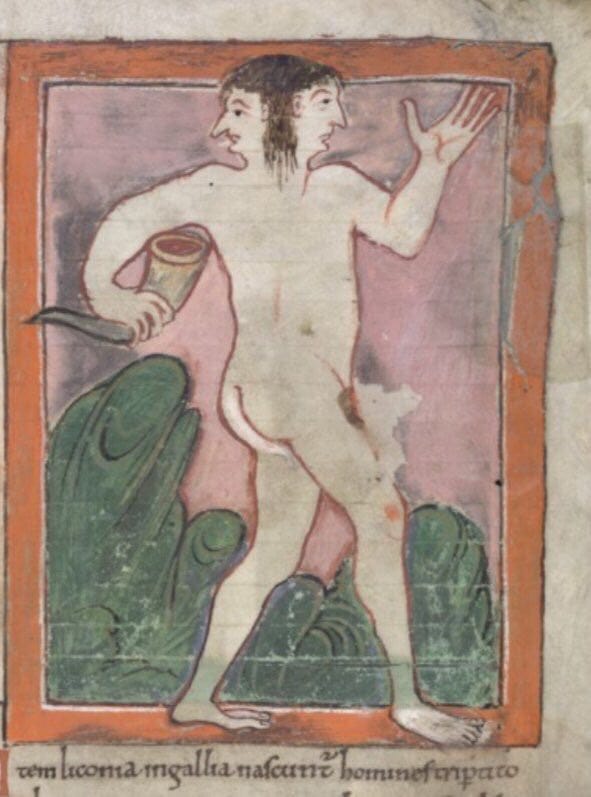
Two faces, and both wearing that expression... God forbid, of course
Faith · Observations · Mores · Ethnography
In England there was a fortune-telling custom before Christmas or on St Thomas's Day: girls took three, five or eight onions and pierced them with pins, marking each with a special sign or initial standing for the names of the young men they had their eye on,