The Oldest Café in Rome Has Closed
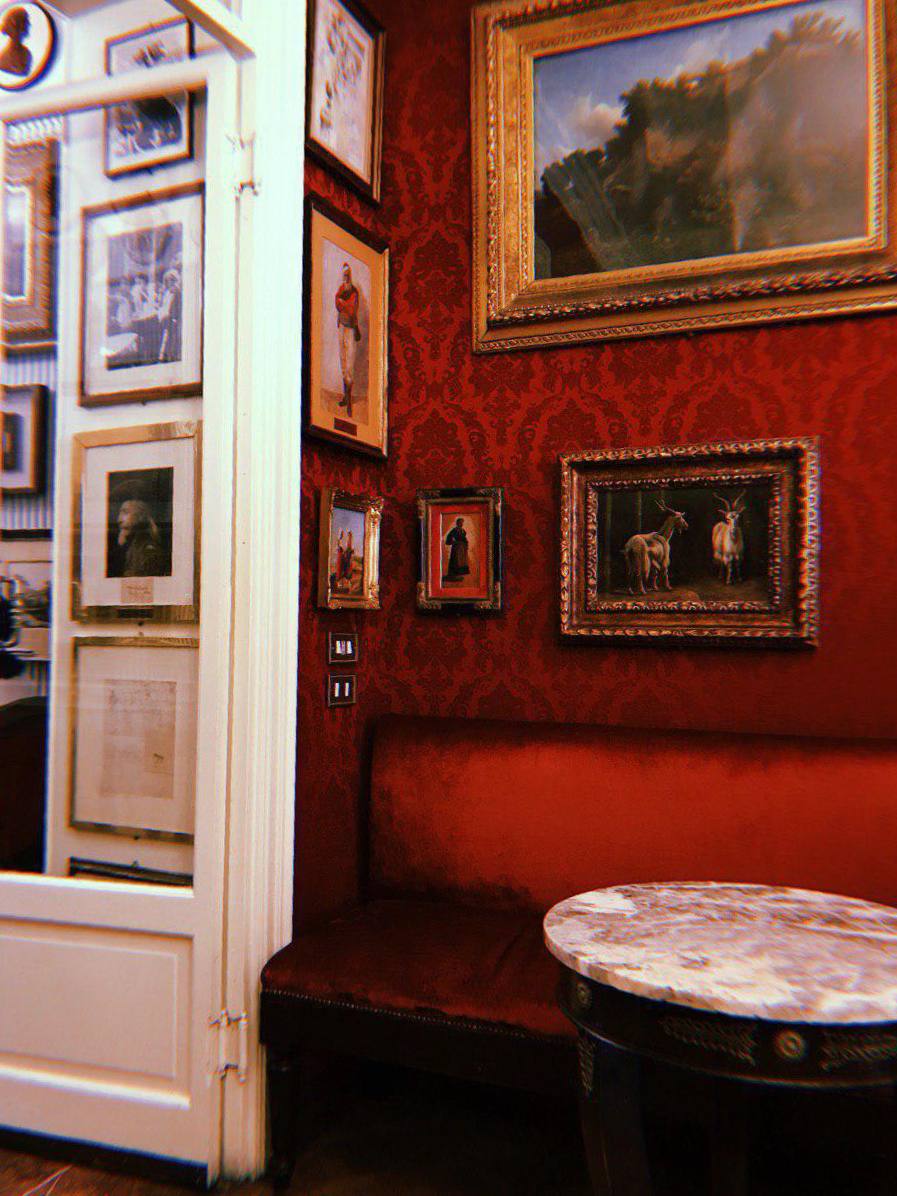
The oldest café in Rome has closed. The owners of the building have evicted the cosy Antico Caffè Greco, near the Spanish Steps, where Stendhal, Casanova, Andersen and Schopenhauer once sat, and where, among our own compatriots, Nikolai Vasilyevich Gogol, for one, left his mark.
The long stand-off between the owners of the premises and the tenants, who owe an enormous sum and refuse to pay, has now reached an acute stage. A series of court proceedings led to the keys being confiscated and the café being sealed by the police two days ago. What exactly is happening at the café right now, I do not know, since I am in Paris, not Rome. But the Italian press reports that it has suspended operations.
This cult gastronomic institution was founded in 1760.
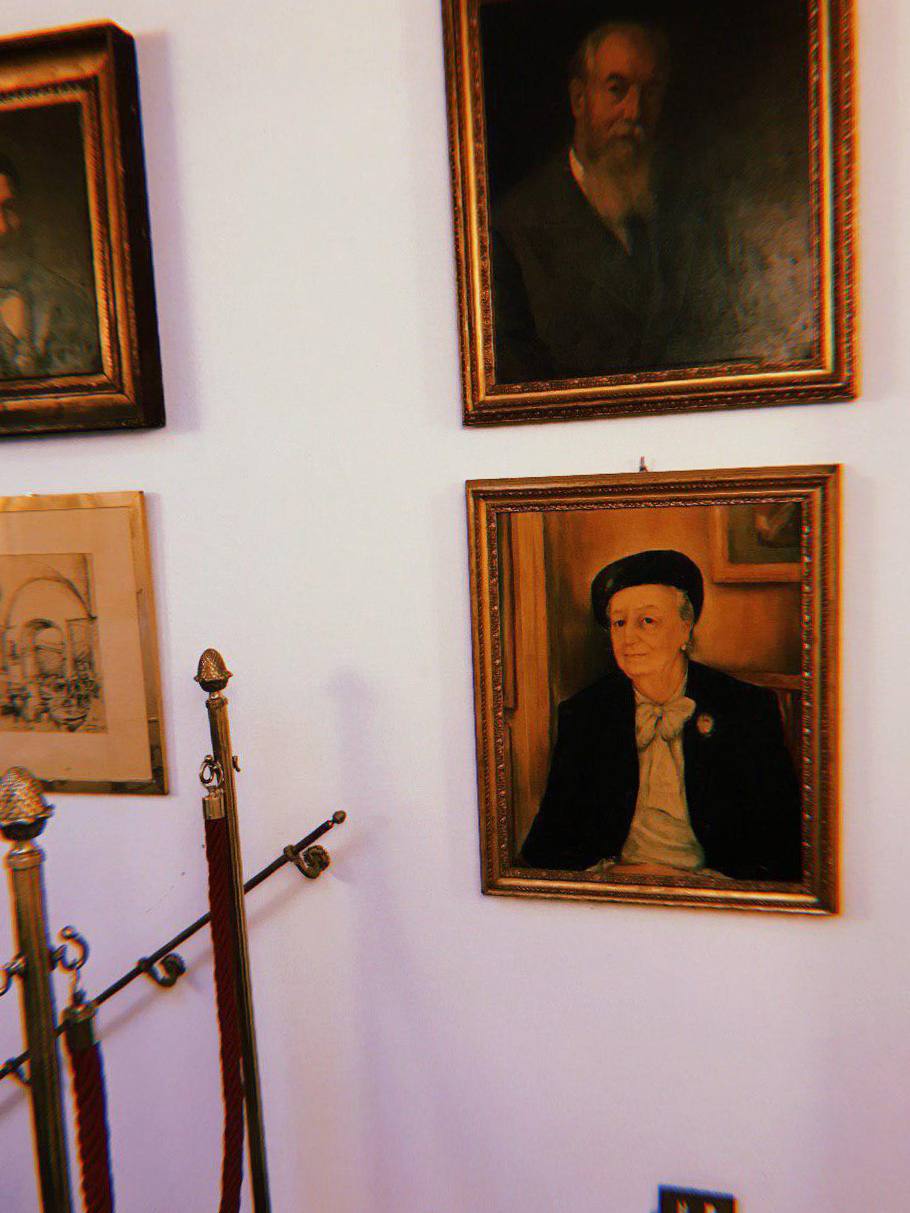
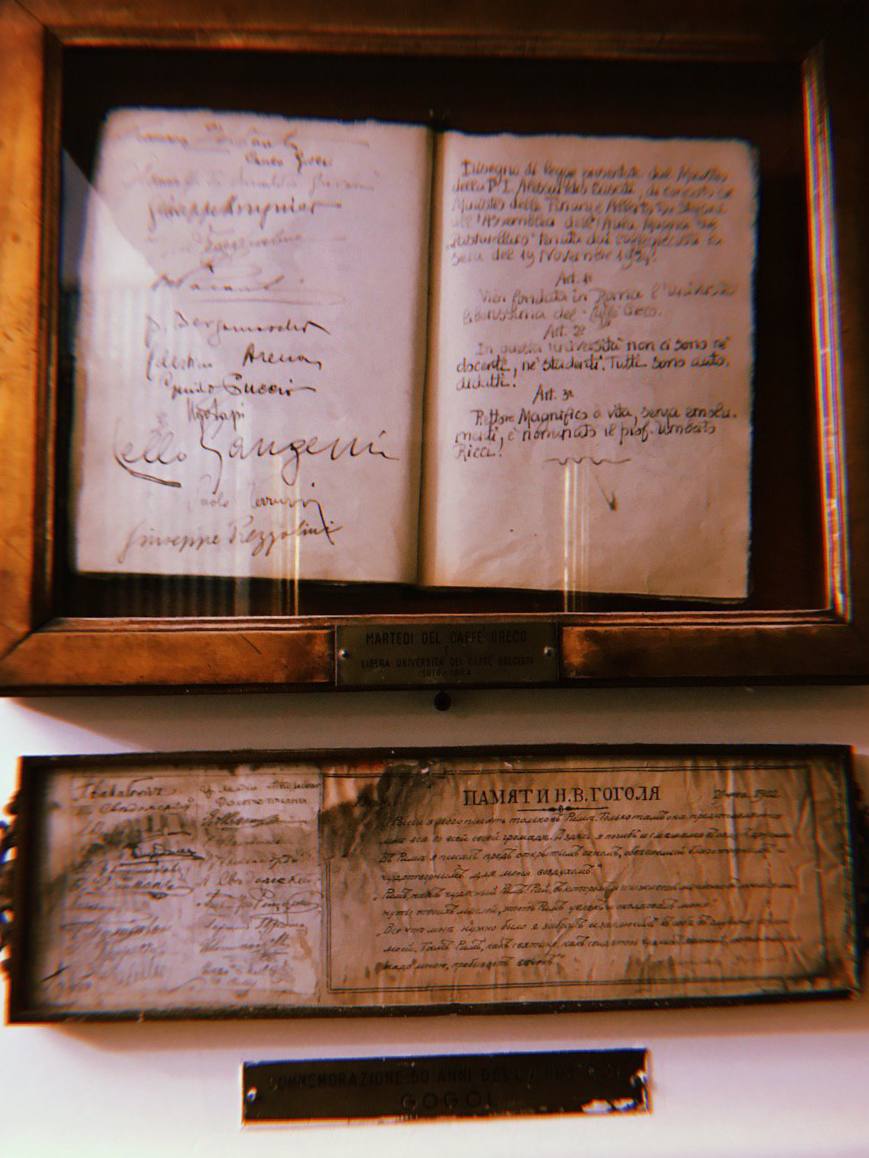
The walls of the little café were adorned with portraits of world-famous regulars and their autographs. They say Gogol often held court here while writing Dead Souls, and on the wall of the small room there hangs, in a frame, a letter from Nikolai Vasilyevich to Pletnev, rector of Saint Petersburg University: “I can write about Russia only in Rome, only there does she appear to me whole, in all her vastness...”
The café stood at 86 Via Condotti, right between the Prada shops. I tried the pistachio cake and the lemon tart there, washed down with a “red passion” cocktail of blood orange and strawberry.
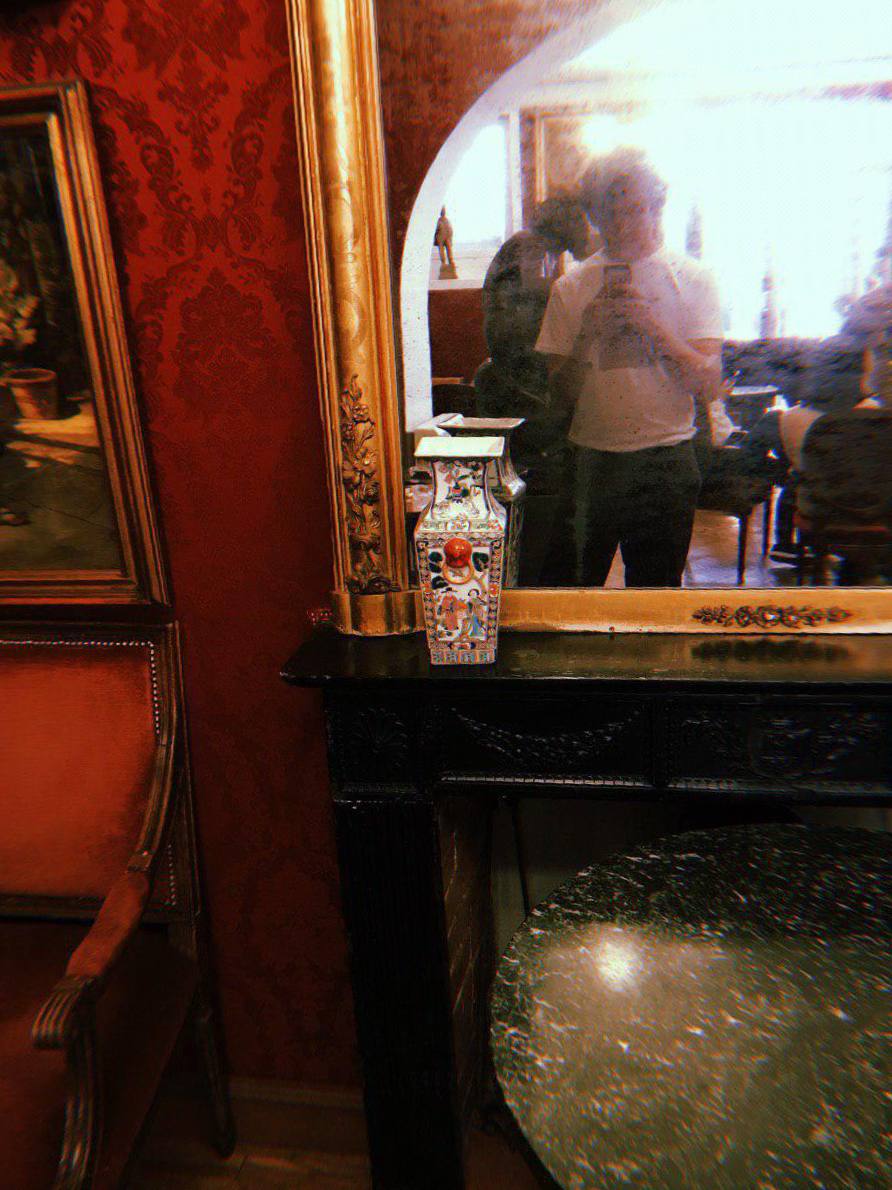
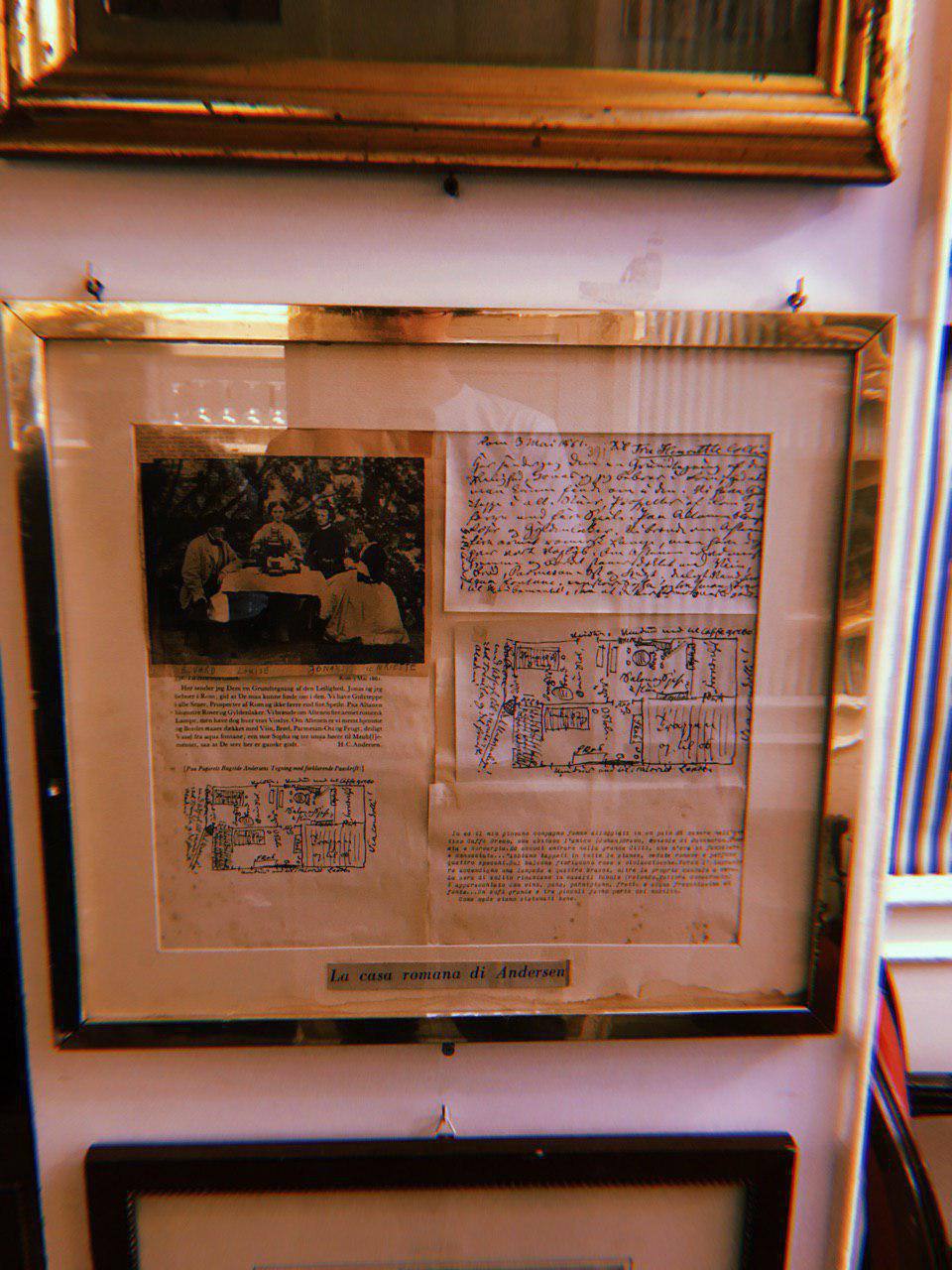
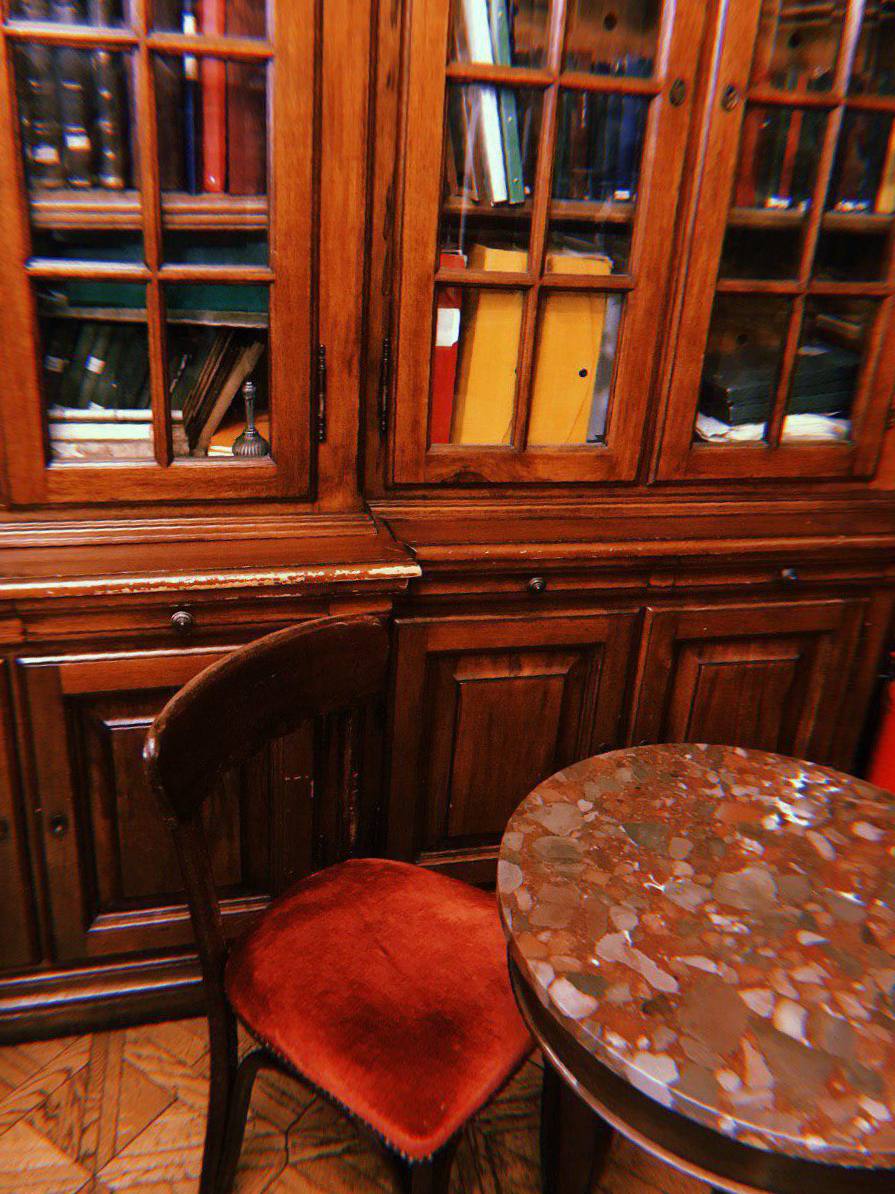
The place was a magnet for tourists, so it is strange to learn that all its contents are to be removed, or have already gone to a warehouse, and that such a profitable business has simply been shut down. Its appeal to tourists allowed it to keep prices quite high by Roman standards, yet the establishment lost none of its charm, and there really were many intriguing things in it: authentic interiors, cloudy mirrors, the plan of the apartment of H. C. Andersen, who lived directly above this café, and of course portraits of such charming guests as Agatha Christie.
Developers, estate agents, hereditary rentiers and property owners: fine guardians of culture you make!