Everyone probably knows, or has at least once seen in a museum, Abramtsevo carving and the household objects and furniture made in its techniques
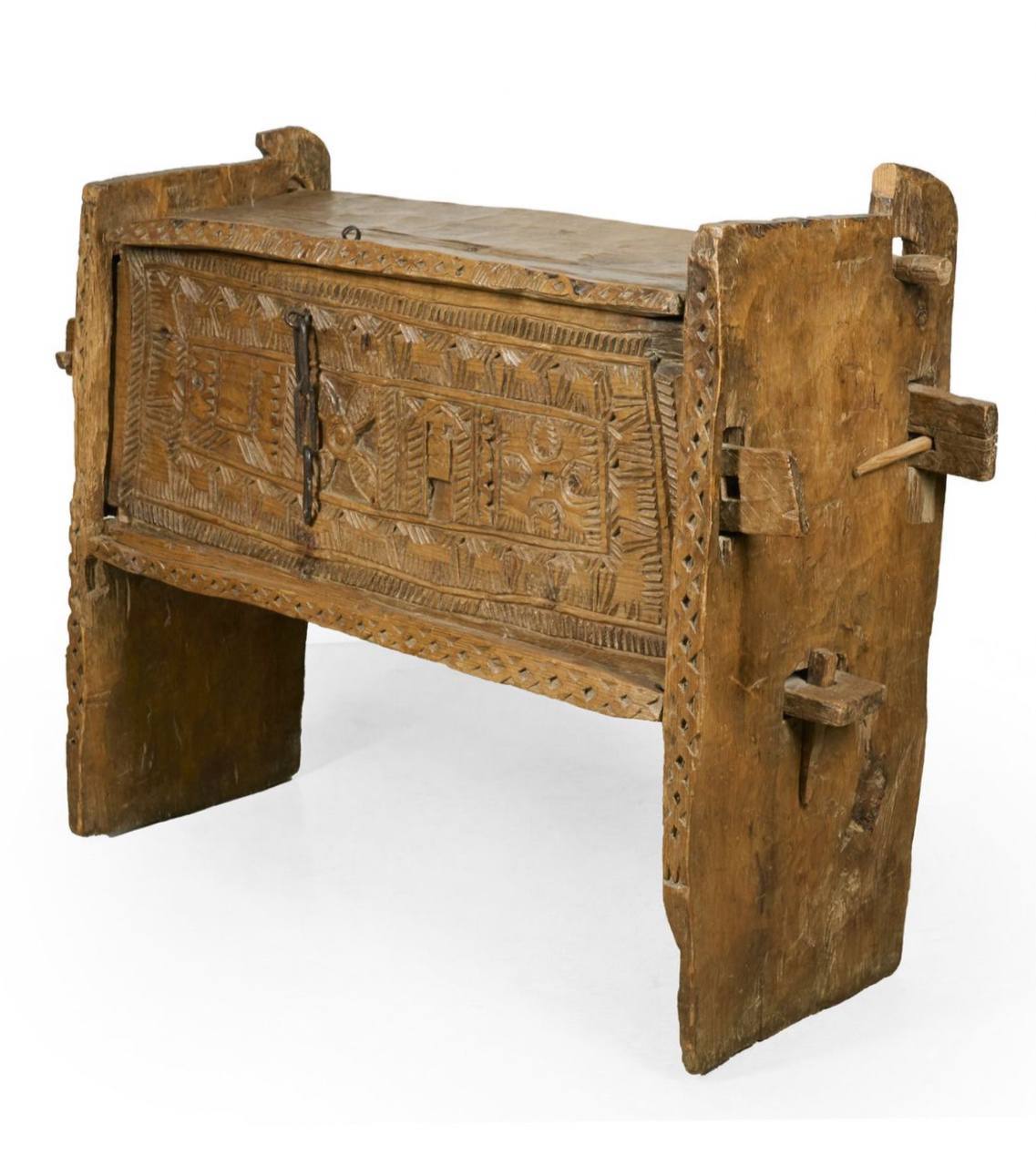
Everyone probably knows, or has at least once seen in a museum, Abramtsevo carving and the household objects and furniture made in its techniques. The craft is sometimes called Abramtsevo-Kudrino carving, and it is connected above all with Abramtsevo, Polenovo and the name of the artist Elena Dmitrievna Polenova. It is not the only school in this style; there is also, for example, Talashkino.
Abramtsevo cabinets, medicine chests, caskets, frames, chairs and other works enjoy incredible popularity and can cost hundreds of thousands, depending on authenticity, condition and the rarity of the model. This recognisable style has undoubtedly become one of the symbols of Russian applied art.
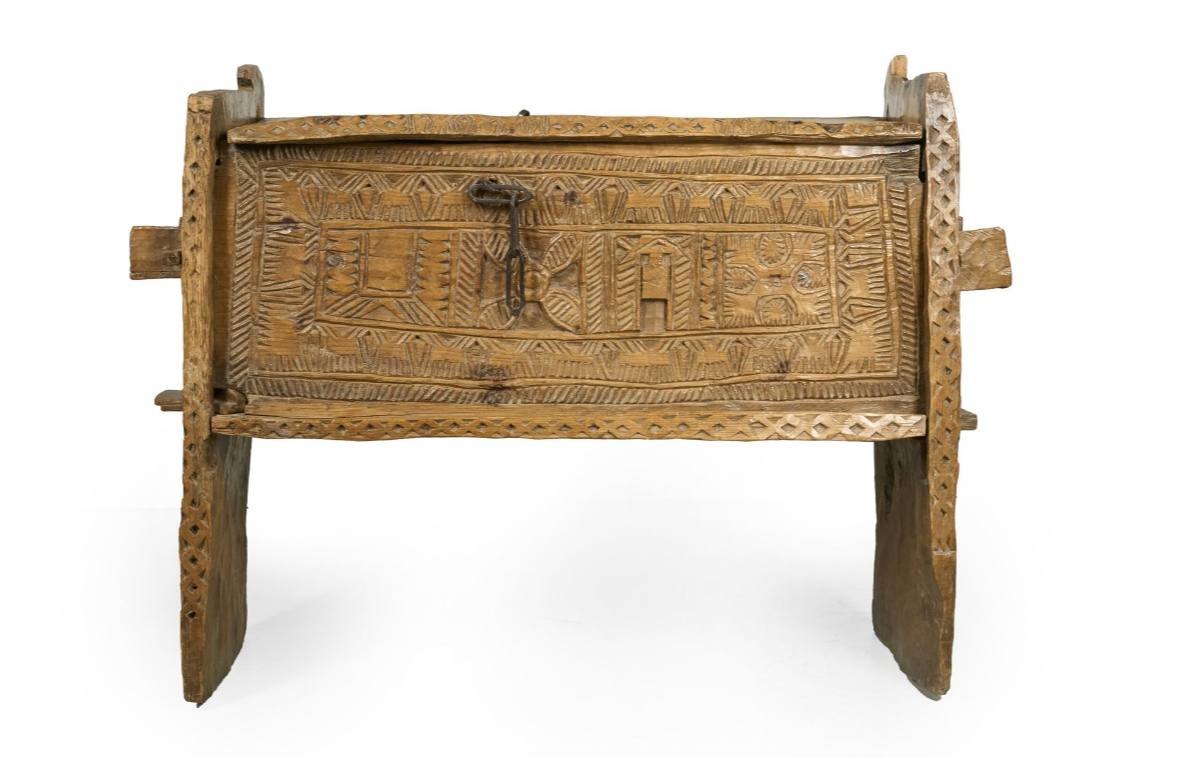
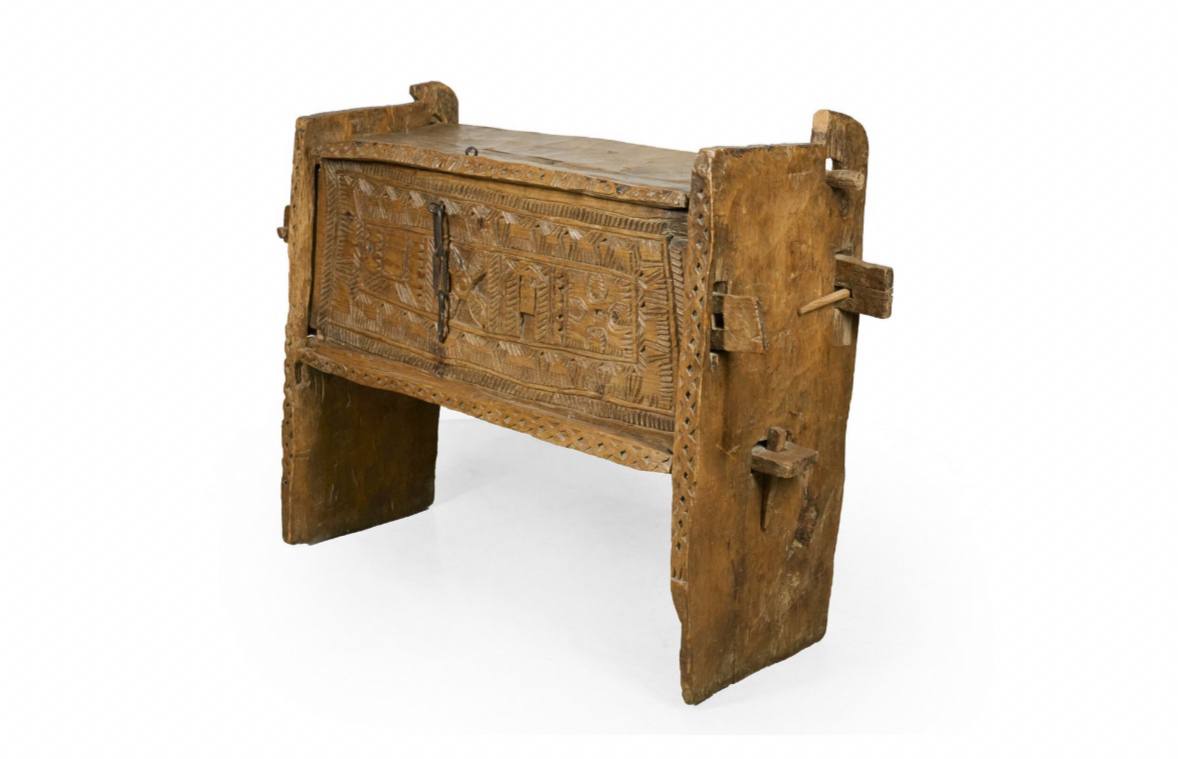
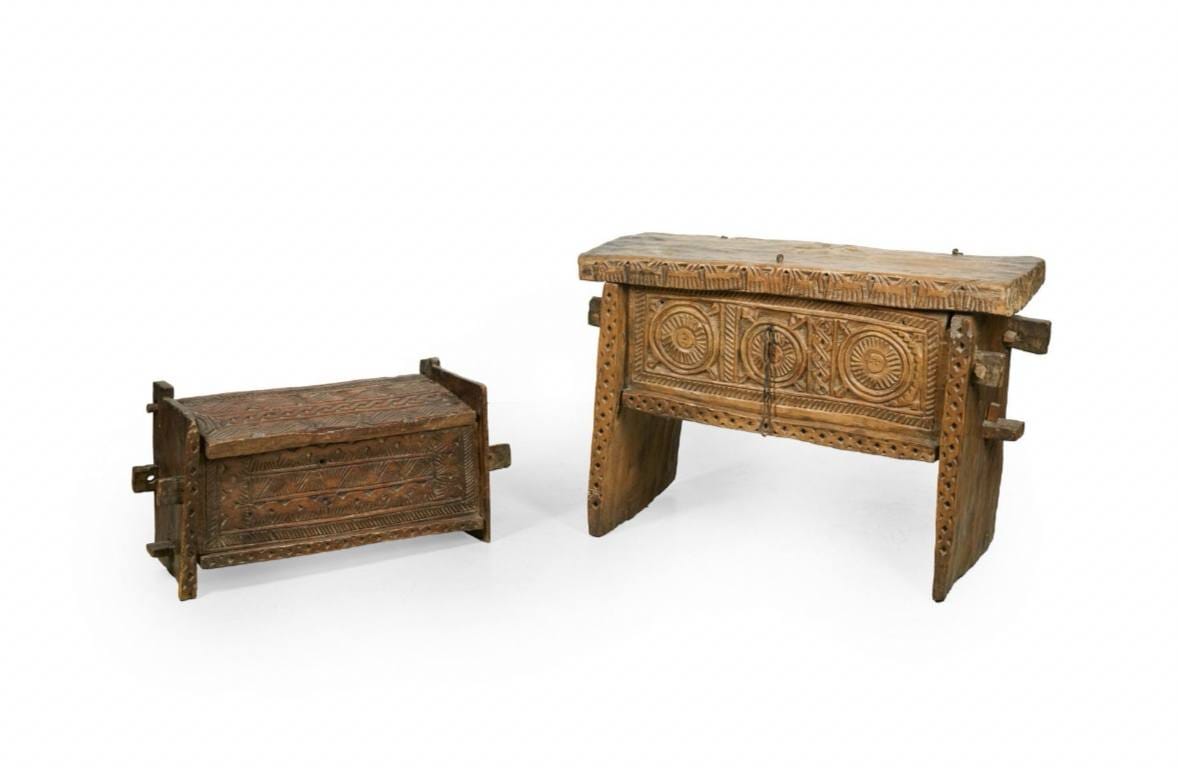
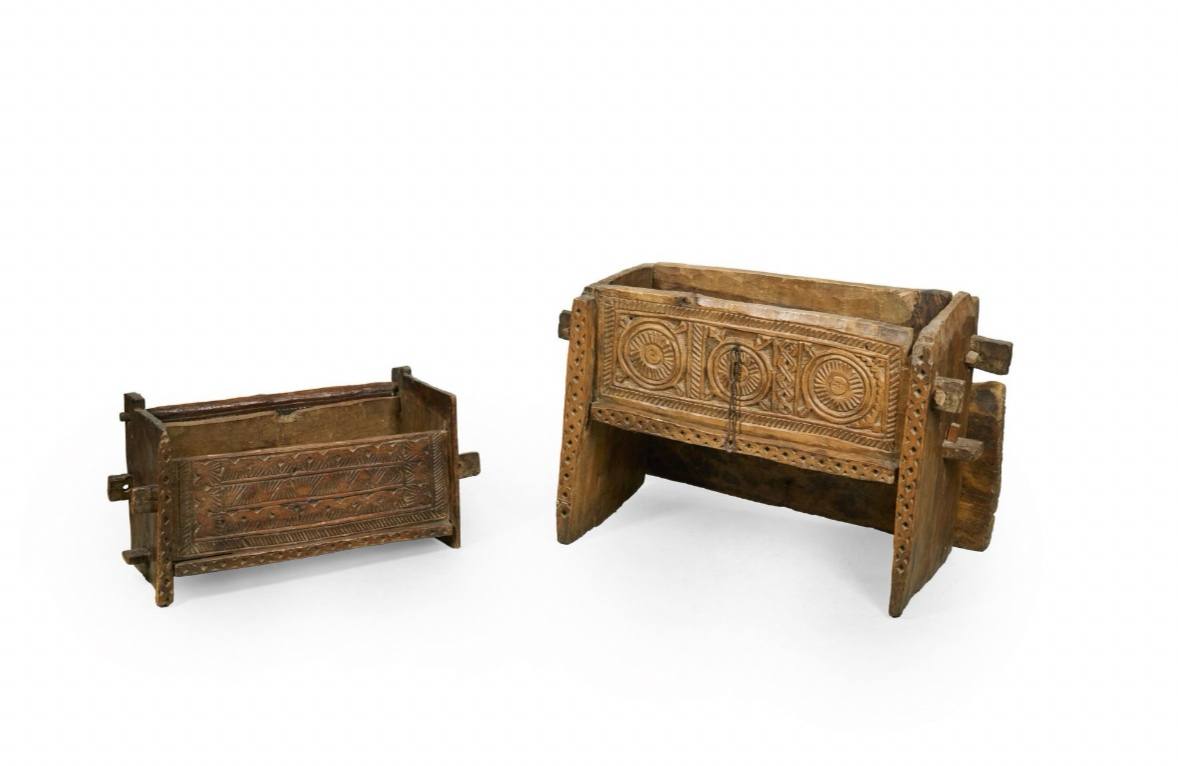
And what if I told you that the objects in the photographs have nothing in common with Abramtsevo, the Russian style or Russia? Yes, these are household objects from Afghanistan, from the early twentieth century, in the Afghan national style.
This is simply to show the kinship of aesthetics among genuine national cultures, regardless of the blood ties, neighbourhood and contacts of their representatives. Authentic folk costumes and crafts throughout the world (with the possible exception of Africa and South America) have a great deal in common, if one adjusts one's optics to see the similar features rather than the insignificant differences of detail.