In 1896 the Louvre bought the tiara of the Scythian king Saitaphernes for 220,000 francs
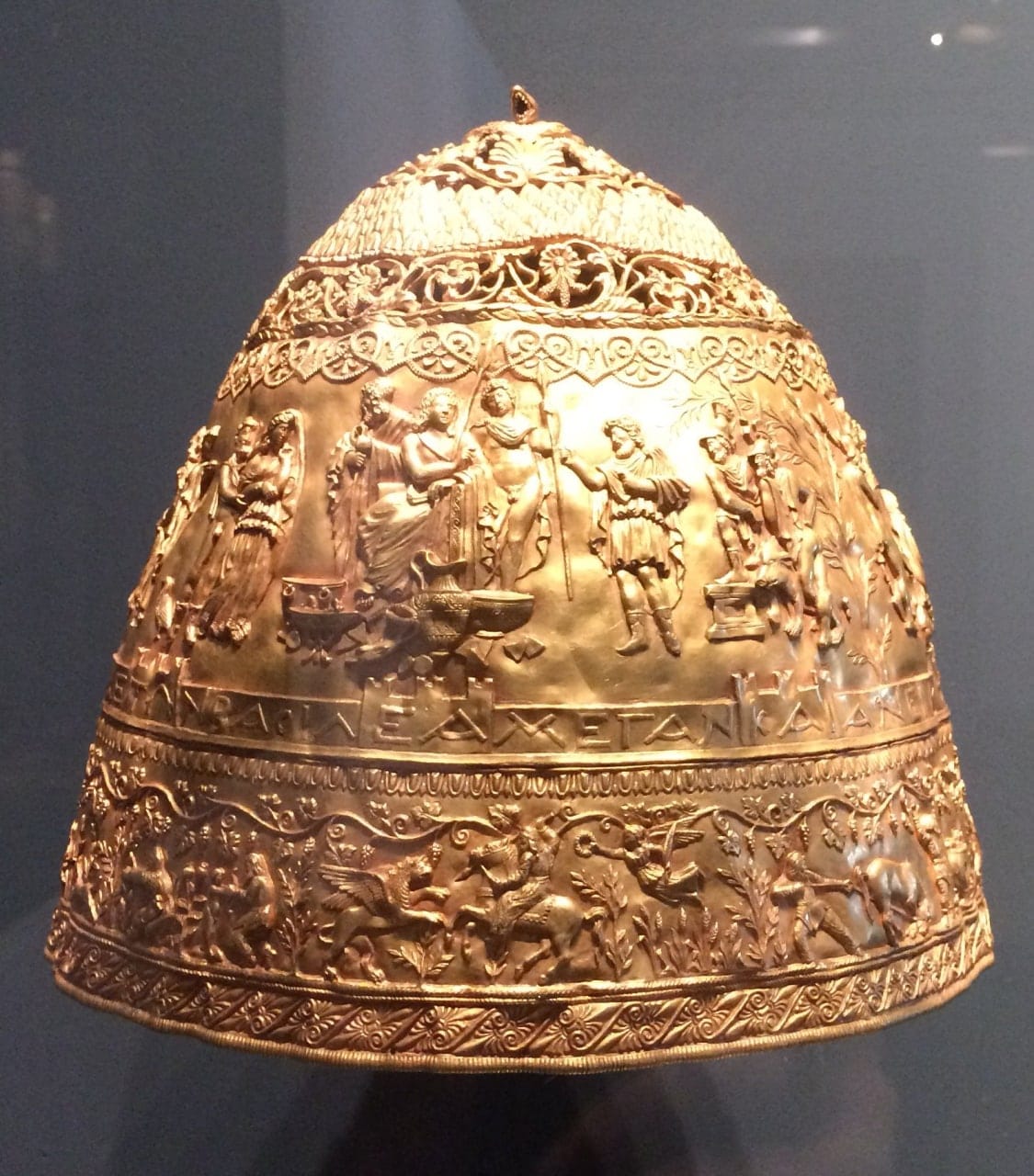
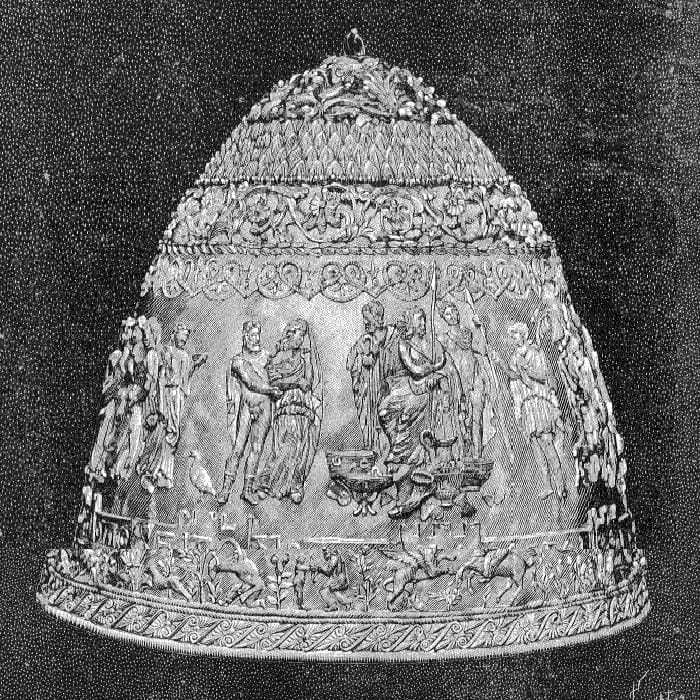
In 1896 the Louvre bought the tiara of the Scythian king Saitaphernes for 220,000 francs. Eight of the foremost specialists in antiquity and the history of art pronounced it a masterpiece and assured everyone that it would become the pride of the Louvre. The Imperial Museum in Vienna had wanted the crown first, but its directorate could not raise the sum demanded. The Louvre, for its part, obtained these colossal funds from the budget of the Republic. The tiara did indeed become the jewel of the museum, and thousands of visitors flocked to see it, but within a couple of months it was more famous than ever.
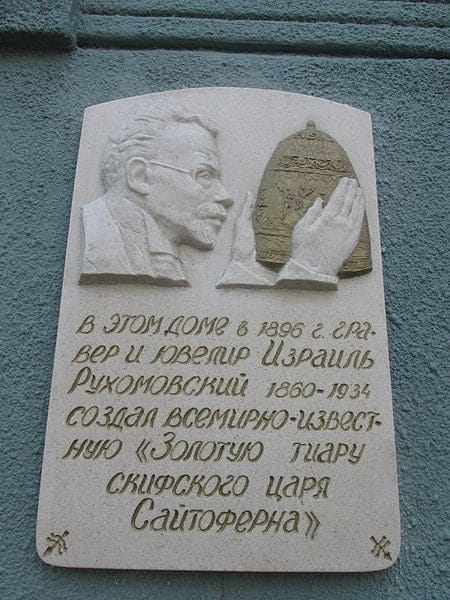
Von Stern, director of the Odessa Museum, the Munich historian Adolf Furtwängler and Professor Veselovsky of Saint Petersburg declared the tiara a forgery. Before long the forger was found too: the Odessa jeweller Israel Rukhomovsky. He appeared before a special government commission and convincingly proved his authorship.
It was decided to keep the tiara in the Louvre's collection, but not among the antiquities, rather as an object of the art of our own time. To this day the story of this tiara remains the most notorious forgery case in France.