For those who do not intend to crawl out of the house today, I suggest a visit to the Getty Museum's online exhibition on artsandculture.google, devoted to eighteenth-century pastel painting, namely to how pastel competed with oil, and artists began…
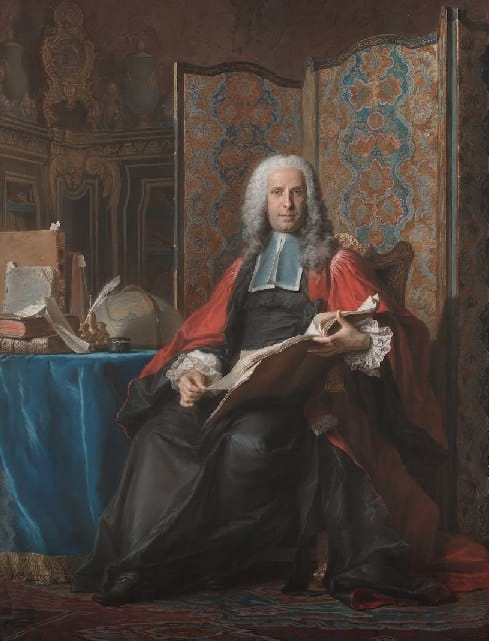
For those who do not intend to crawl out of the house today, I suggest a visit to the Getty Museum's online exhibition on artsandculture.google, devoted to eighteenth-century pastel painting, namely to how pastel competed with oil, and artists began to make large pastel canvases from pieces of paper of various shapes joined together. The point is that
the pastellists of the eighteenth century were obliged to work in small formats, because the technology did not allow sheets of paper to be made larger than the span of a man's outstretched arms. And when the masters began to join different pieces of paper together and learned to disguise the seams, it turned out that paper patches of various shapes and sizes could also be used to correct mistakes or to set a sitter's head upon the body of some anonymous model, and they achieved even greater success in their craft than had been expected. In the photograph is the 180-centimetre portrait of the Parisian magistrate Baron Gabriel Bernard de Rieux by Maurice Quentin de La Tour