
It is now known what Louis XIV really died of in 1715: a scientific study of his heart has revealed an infectious cause of death
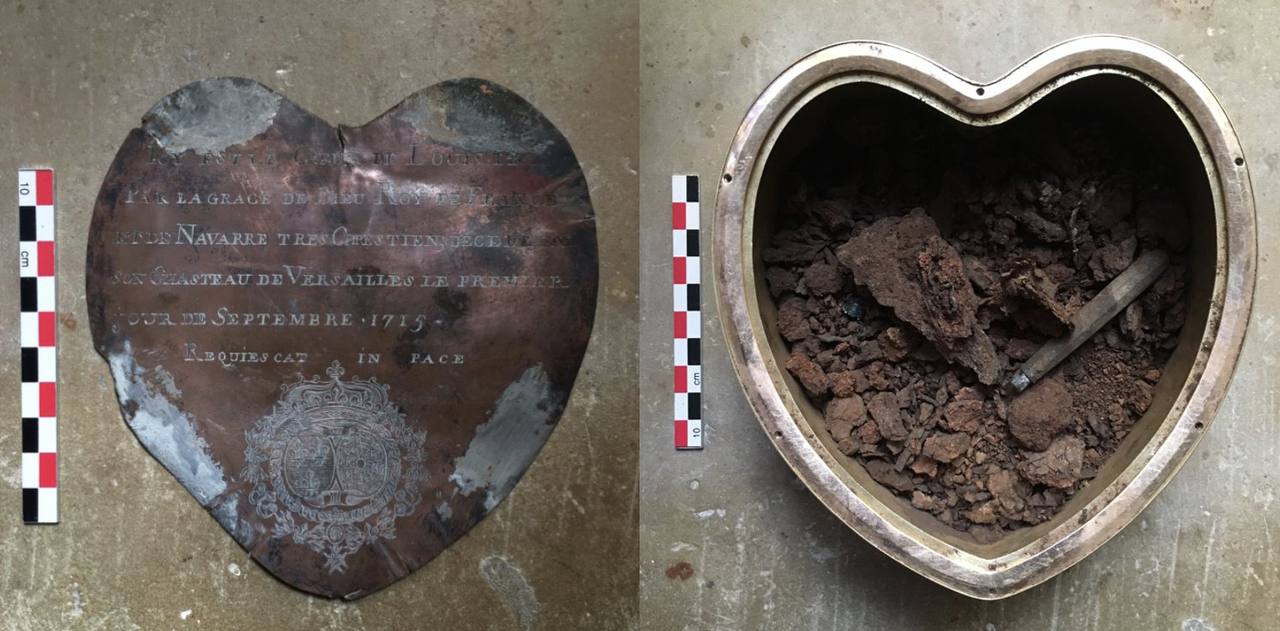
It is now known what Louis XIV really died of in 1715: a scientific study of his heart has revealed an infectious cause of death. Physicians now know which microbe brought on his gangrene.
A palaeoproteomic study carried out on a sample of the heart of Louis XIV offers new and original findings, allowing a better understanding of the cause and circumstances of the death in 1715 of the celebrated King of France.
In general, the already known cause of the Sun King's agonising death, gangrene, has now acquired a more concrete explanation of its origin. The study advances the hypothesis of a fungal infection caused by Cyphellophora europea, a fungus known for its ability to cause skin infections, which worsen in patients with immunodeficiency, diabetes in particular.
That said, the subject is refracted in many ways in medical circles: dentists, for example, maintain that the infection began around a badly treated tooth or tooth root. Against the background of the current study of the heart tissue, which looks like dust, it is reported that the source of the infection was wet gangrene arising from acute arterial thrombosis, which was not amputated and went on developing for 1 month, complicated by septicaemia and multiple organ failure. It is also written that chromoblastomycosis would be treated successfully today, even if Louis XIV had little chance of living longer, given all the pathologies from which he suffered.