Art-crime specialist Erin Thompson explains why dozens of American museums still hold antiquities bought from Ali Aboutaam, the Geneva dealer convicted of trafficking in cultural property
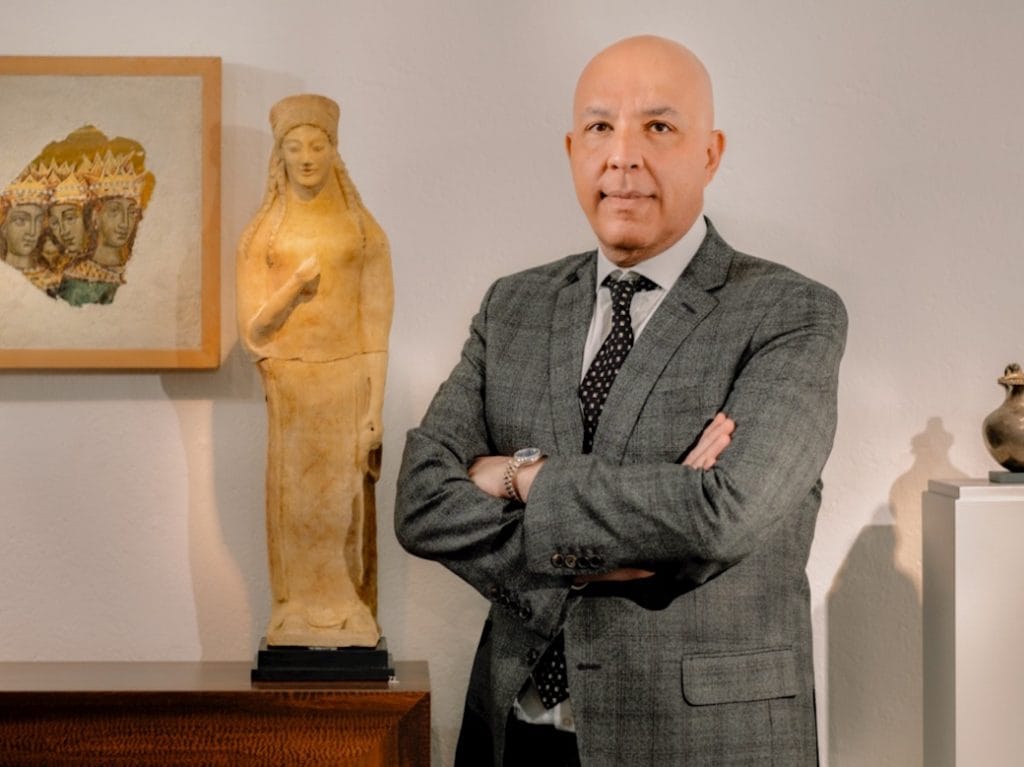
Art-crime specialist Erin Thompson has explained why dozens of American museums still hold antiquities bought from Ali Aboutaam, the Geneva dealer convicted of trafficking in cultural property. Aboutaam built a scheme of shell companies and forged provenances: a restorer scrubbed freshly excavated objects with a toothbrush in an old bathtub, after which the dealer furnished them with an invented ownership history, usually beginning in the 1960s with Lebanese merchants or with Swiss collectors already deceased, whose involvement there was nobody left to dispute. The denouement came in December 2016, when Swiss customs stopped a gallery Land Rover carrying the dealer Robin Gallel Dib from France with a Byzantine oil lamp, for which neither the driver nor the supposed owner could present the officers with satisfactory provenance documents.
The investigation uncovered a secret Excel file containing real data on suppliers, and a warehouse to which Aboutaam hurriedly carted antiquities in fruit boxes and blue IKEA bags. In the end both he and his driver, who had been hiding the valuables by night, were detained, though only for a mere week.
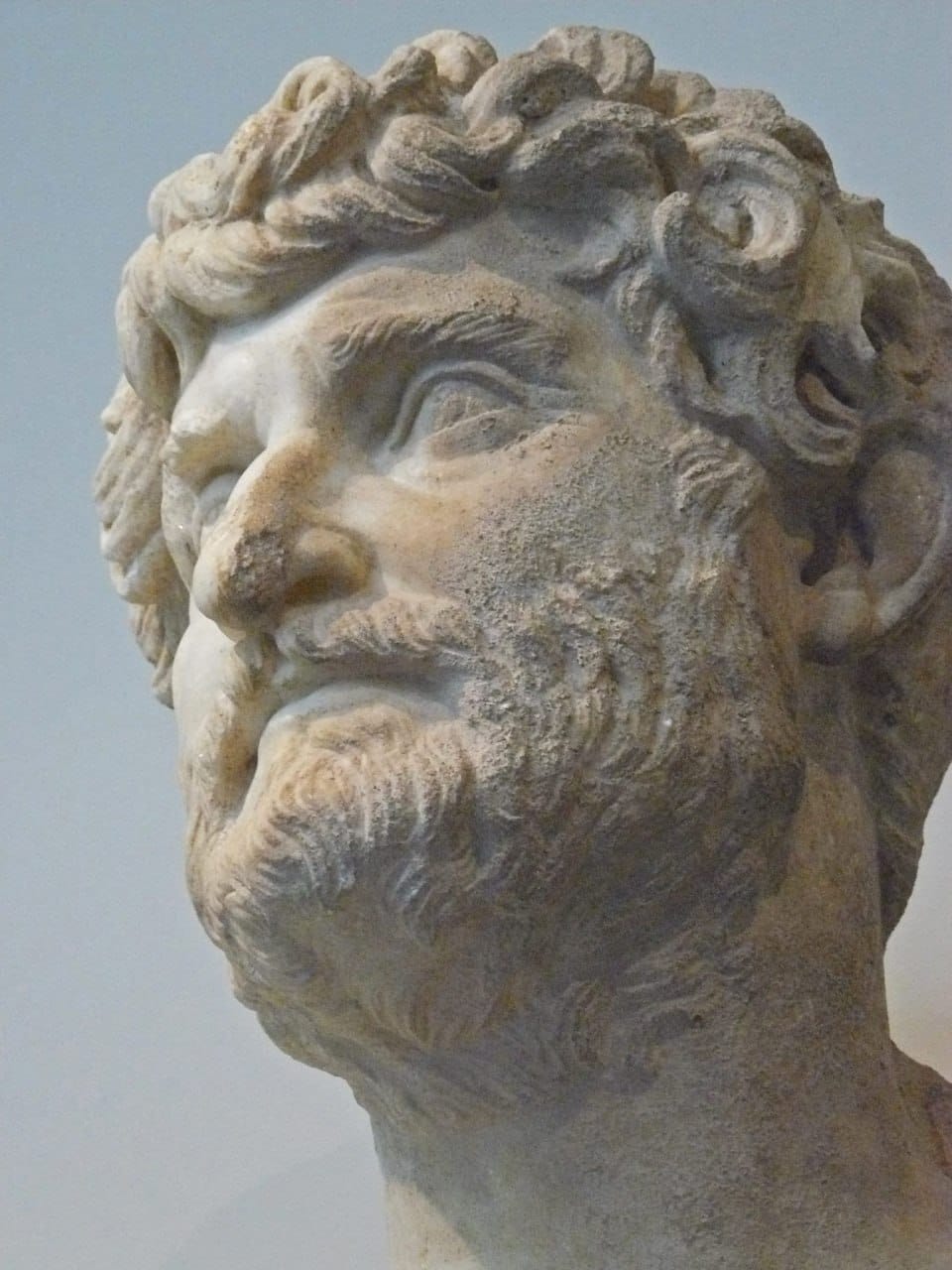
The Manhattan District Attorney's office has since 2021 seized from the Metropolitan Museum nine objects connected with his gallery, worth almost five million dollars in all. A Roman bust whose provenance was recorded in the testimony of the convicted dealer Lagnot was returned to Turkey in February 2026.
In January 2023 the Geneva police court sentenced Aboutaam to 18 months' imprisonment, suspended, with three years' probation, plus court costs of around 440 to 450 thousand francs. He did not spend a single day in actual custody. The court applied a lenient measure, citing his “sincere remorse”, his cooperation with the investigation and his readiness to return objects lacking proper papers. He formally admitted guilt of violating the law on the movement of cultural property and of using forged provenance documents. The court confiscated 42 objects, which passed to the Swiss Federal Office of Culture as being of unlawful origin. In November 2021 Swiss customs imposed on him a tax penalty of about 1.6 million francs for importing into Switzerland antiquities worth 37 million francs between 2010 and 2017 without paying VAT.
The Met is so far the only American museum to have returned objects in this case; other exhibits bought from the fraudster remain in the collections of museums in Cleveland, St Louis, Harvard, Boston and Houston.
France in its day decorated Aboutaam with the Order of Arts and Letters; his gallery continues to operate, and he is listed as its head. His brother Hicham runs the New York branch, and they maintain an online platform and go on with their professional activity. In 2025 an Italian-Belgian investigation began, in which the Italian prosecutors link 132 seized objects to specific Italian monuments.
And the American museums are in no hurry to part with the stolen objects acquired from him, because nothing threatens them. Aboutaam has been convicted of forging provenance in Switzerland, but there is no American law that would compel a museum to return an item merely because it was bought from a convicted falsifier. Until the country of origin demands a particular object through the Manhattan District Attorney's office, it stays in its museum case. A genuinely honest audit would reveal such a quantity of dubious and stolen objects in museum collections that some institutions would have to part with a considerable share of their holdings.