Nekrasov's biography, and the biographical motifs in his work, are a tricky matter
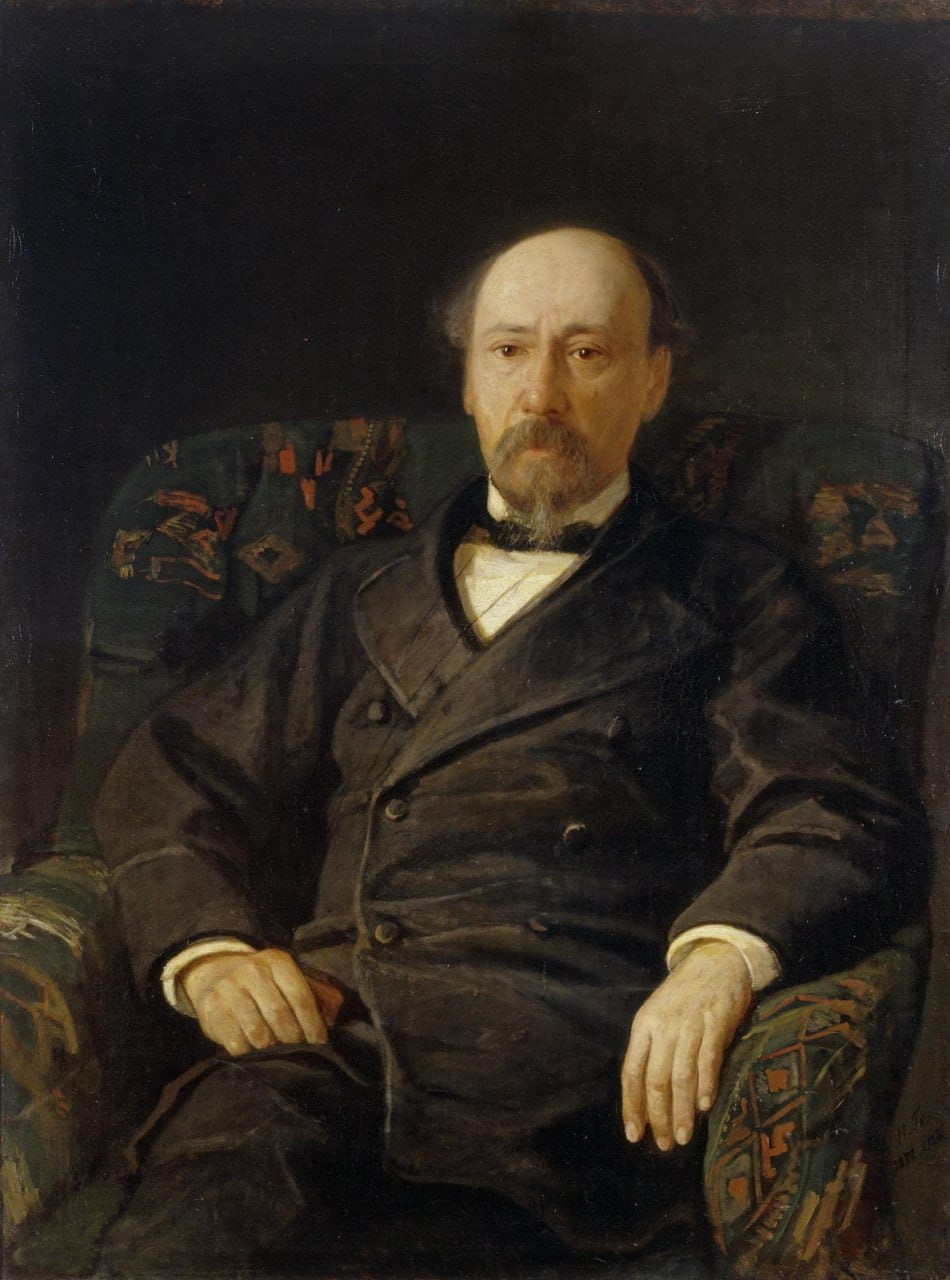
Nekrasov's biography, and the biographical motifs in his work, are a tricky matter. He often and sharply criticised, abused and ridiculed his father.
Though, if one looks into it, his father, the impoverished landowner Alexey Sergeyevich, was not such a dreadful man after all, but merely an average specimen, one more entry in the sad statistics of the vices of the provincial gentleman of his day. A harem of several peasant women. Cruelty to his children. Greed. An inability to handle capital. Card-playing. Serfdom. What, after all, did not happen in that estate?
But the most precious thing is that Nekrasov, towards the end of his life, somehow began to reconsider his own implacable attitude to his father, whom he had loved all the same, visited, and wished to see alive and well.
Nikolay Nekrasov writes of his father as follows:
...I must say a few words, however they may be understood: it is a matter of my conscience. I must, as the people say, take the sin off my soul.
In the works of my early youth there are verses in which I spoke of my father bitterly and harshly. This was unjust, and arose from the youthful awareness that my father was a serf-owner while I was a liberal poet. But what else could my father have been at that time?
I was striking not at serfdom but at him personally, whereas the difference between us was, properly speaking, one of time.
It is another matter with my father's personal traits, his character, his family relations: here I came very early to a consciousness of my right, and I do not renounce anything that I have printed in this respect. The difference, I repeat, between us was one of time: he made use of his right, which he held to be sacred
A precious thought, and how good that he arrived at it: the difference between us is, properly speaking, one of time. We are our parents, with their virtues and their failings, and at the proper hour we must recognise this and accept it.