From 20 May 2026, owners of Kindle e-readers released in 2012 and earlier will lose access to the Amazon store
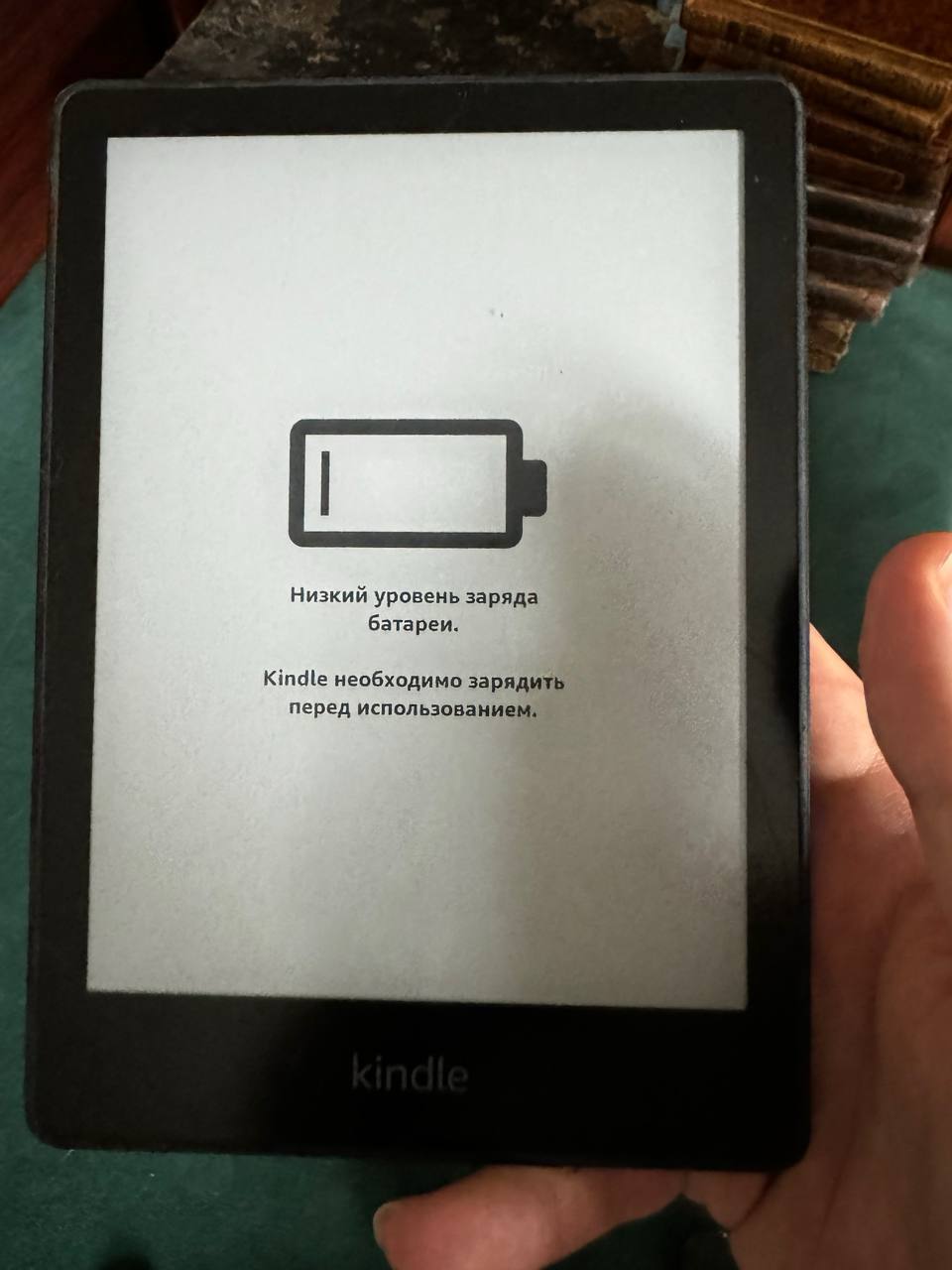
From 20 May 2026, owners of Kindle e-readers released in 2012 and earlier will lose access to the Amazon store. The devices will no longer be able to buy, borrow or download new books through the Kindle Store. The restriction affects every model from the very first Kindle of 2007 up to the releases of 2012.
Amazon says that these devices no longer meet modern technical standards.
In all, 13 models fall under the restrictions, including the first-generation Kindle Paperwhite, one of the most popular readers in the company's history.
Books already downloaded will still be readable. However, owners of the old devices are strongly advised not to perform a factory reset or deregister their account: after 20 May it will be impossible to register such a Kindle afresh, which will in effect turn it into a "brick".
By way of compensation, Amazon offers owners of the obsolete devices a 20% discount on the purchase of a new Kindle and $20 in book credit. The offer is valid until 20 June 2026. I am not sure whether it extends to users in Russia.
For those who do not wish to part with their old device, there is an alternative: books in EPUB format can be converted with the Calibre programme and loaded onto the reader directly via a USB cable.
The Kindle affair is a graphic illustration of the transition from an economy of ownership to an economy of access: corporations deliberately build models in which the consumer formally buys something but in fact merely rents the right to use it for as long as it suits the company. In the 1950s Vance Packard introduced the notion of "planned obsolescence", whereby a product is deliberately designed, or restricted by software, so as to force the buyer to spend money again after a certain time.