"Worker and Kolkhoz Woman" has eclipsed the legacy of Vera Mukhina, and that injustice is at last being put right
"Worker and Kolkhoz Woman" has eclipsed the legacy of Vera Mukhina, and that injustice is at last being put right. From 3 June to 27 September the All-Russian Museum of Decorative Art on Delegatskaya Street is showing a large retrospective of the work of the world-famous sculptor. The exhibition is called "Vera Mukhina: Dialogues, Facets", and it leads the artist out of the shadow of her own monument: before us stands an inventor and innovator, the author of works in glass at once delicate and monumental, which form the heart of the display.
In the Leningrad experimental workshop for artistic glass, Mukhina, together with the chemist Nikolay Kachalov, developed new compositions that surpassed marble in strength, and brought the material to the point where it bore not a vase but architecture: the famous glass columns of the Avtovo metro station are her work. She thought of glass not as tableware but as a new material that could glow from within a monumental structure.
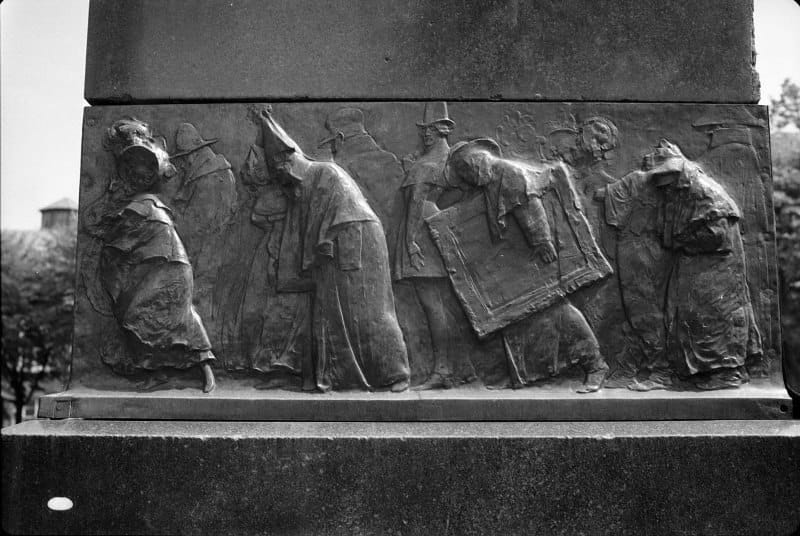
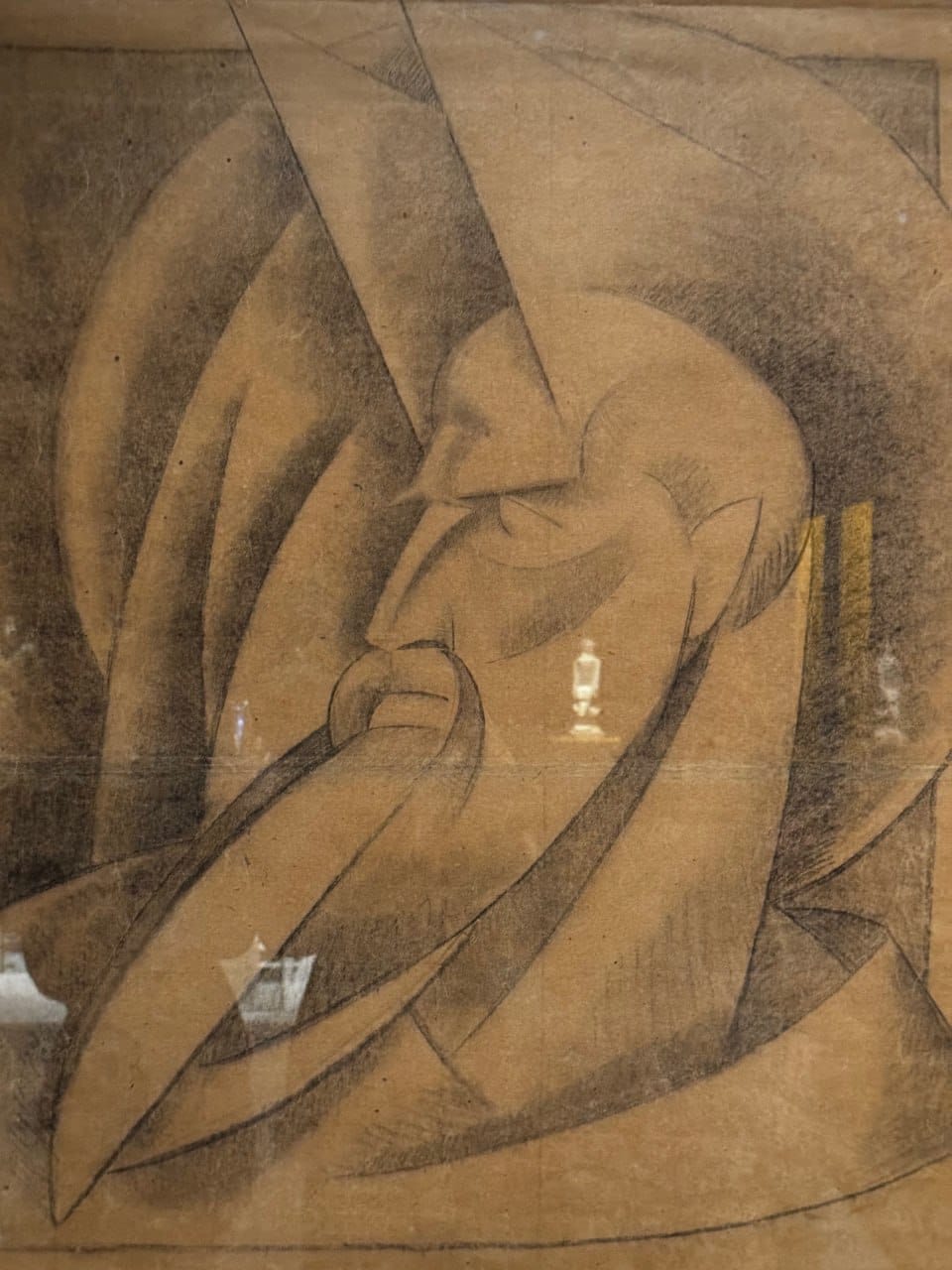
The halls of the Museum of Decorative and Applied Art hold works from almost half a century of her career, gathered from sixteen museums and private collections, some shown in Moscow for the first time: her Parisian studies under Bourdelle in 1912-1914, her journeys through the glassworks of Italy and France, sketches for sculptures, early pieces, rare glass sculpture such as "Wind", and the bust "Comrade from the Trade Unions" from the 1939 World's Fair, returned from New York. Nor could the models of her colossal structures be left out. Woven into the narrative are Mukhina's appeals to European masters and their works, which echo her aesthetic. The exhibition closes with the section "Our Contemporary", in which present-day glass artists answer Mukhina directly.
The exhibition is rich and uncommonly stylish. The Museum of Decorative and Applied Art has pleasantly surprised: instead of the customary assembly of old design, embroidery and crockery, the curators have offered a modern and thoughtful portrait not of an icon of socialist realism but of a researcher for whom sculpture, the science of materials and architecture were one and the same craft