I read that the museum of tiny Martha's Vineyard, off Cape Cod in Massachusetts, is returning to Hawaii a canoe, a pestle for pounding baked taro root, a grass skirt and a piece of tapa, the traditional unwoven cloth made from tree bark…
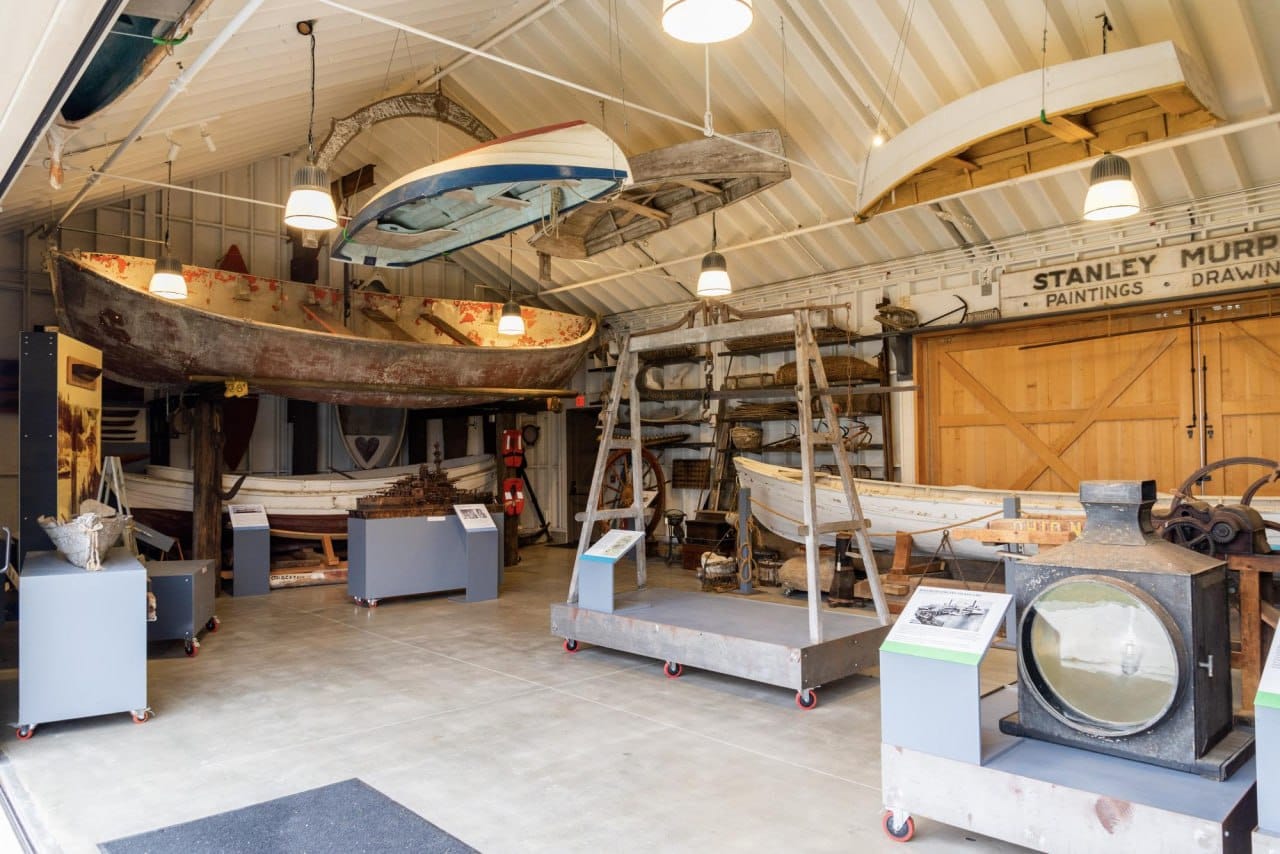
I read that the museum of tiny Martha's Vineyard, off Cape Cod in Massachusetts, is returning to Hawaii a canoe, a pestle for pounding baked taro root, a grass skirt and a piece of tapa, the traditional unwoven cloth made from tree bark, which the indigenous peoples of Polynesia, the Hawaiians among them, produced by hand before European materials arrived. The skirt and the tapa were brought back by a whaler around 1870. What strikes one in such stories is that objects of this kind are still almost never put on display and merely swell the collections. To be precise, the museum did show the canoe from time to time, but the skirt, the tapa and the pestle were never shown at all. Was it worth carrying them halfway across the world and keeping them for decades, only to stack and preserve them without ever letting the public see them? I think no harm would come if museums were to go through the forgotten herbaria of other cultures more often, pressed between the dusty pages of their storerooms, and hand over such seemingly insignificant artefacts to those who will actually be glad of them