With Margrethe II's Abdication, the House of Glücksburg Will No Longer Be the Ruling Dynasty of Denmark
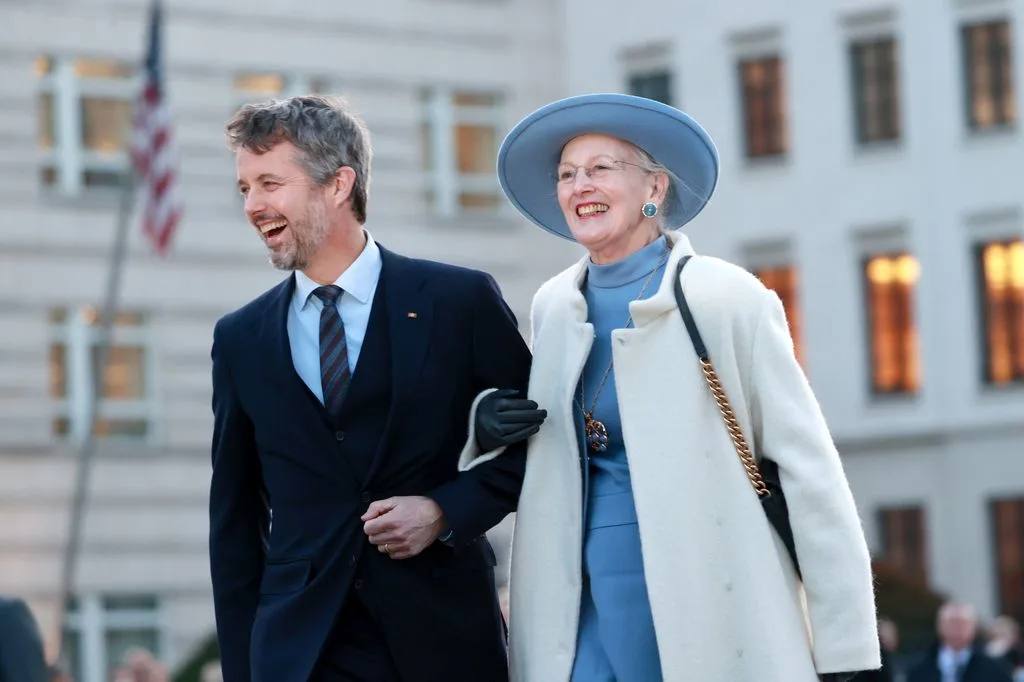
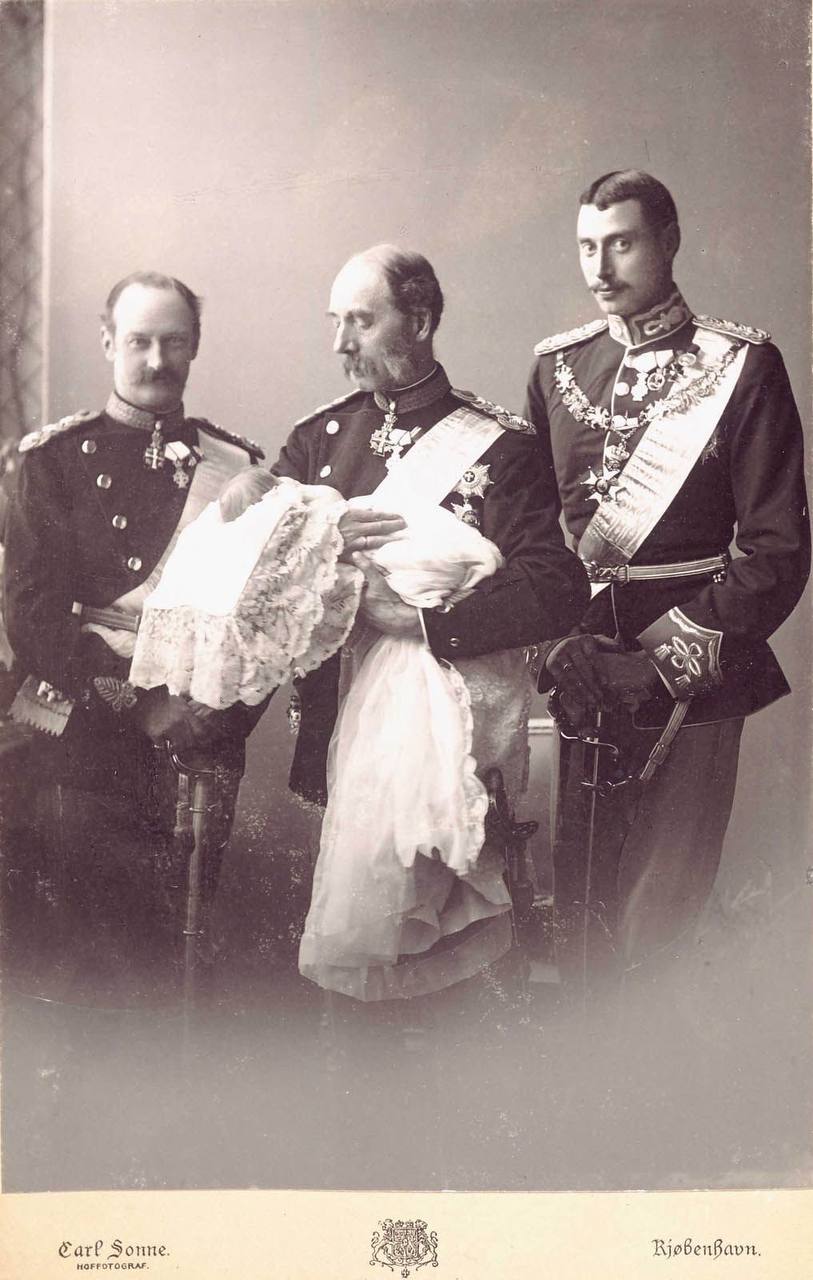
With Margrethe II's abdication, the House of Glücksburg will no longer be the ruling dynasty of Denmark. The dynasty had reigned in the country since 1863, since the accession of the queen's great-great-grandfather Christian IX.
The Glücksburgs are succeeded by the Monpezat dynasty, or more precisely Laborde de Monpezat, after the surname of the prince consort Henri, husband of Queen Margrethe. In fact this is so; naturally, everyone would have liked to dress it up a little differently, for the sake of sonority.
For in truth, this is not even a noble house. The French Laborde de Monpezat family were never nobles and never received any title, although Prince Henri (in Danish, Henrik) styled himself Count de Laborde de Monpezat.
Neither historically nor legally does the Monpezat family have the right to call itself comital; besides, apart from the de Monpezats themselves, nobody calls them counts, and they appear in no directory of the French nobility, except in the lists of false nobles and the encyclopaedia of pretended gentry. In the seventeenth century, plain folk from the provinces, they added the particle “de” to their surname, and legalised it bureaucratically only in the nineteenth.
True, Danish law never required the spouses of royal persons to be of aristocratic birth, but Margrethe's marriage to a man who was neither of royal blood nor even of titled nobility was the first to be recognised by a Danish sovereign as dynastic.
The non-existent countship comes with a sly device: in 2008 the queen conferred on her two sons the hereditary title “Count of Monpezat”, though officially it was not entered in the Danish registers of nobility. Prince Henrik afterwards spoke of the possibility of adding the name Monpezat to that of the dynasty of Oldenburg-Glücksburg.