By Various Estimates, El Greco's Surviving Painted Oeuvre Today Comprises Between 137 and 300 Pictures
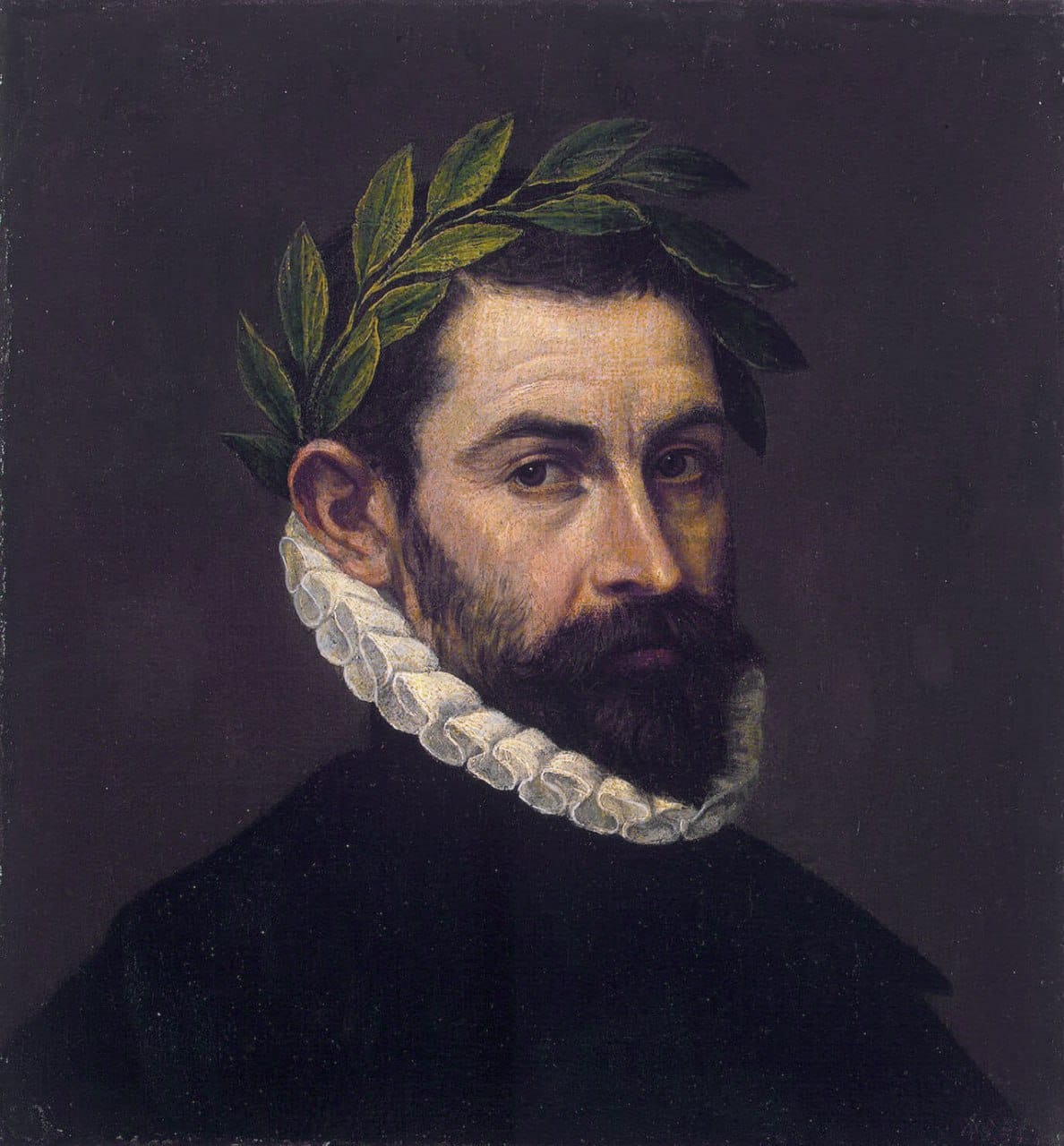
By various estimates, El Greco's surviving painted oeuvre today comprises between 137 and 300 pictures. Russian museums hold only 5 canvases by El Greco: 3 in the Hermitage, 1 in Nizhny Novgorod and 1 in the Pushkin State Museum of Fine Arts.
The first El Greco picture purchased for Russia was "Portrait of the Poet Alonso de Ercilla y Zúñiga". In 1814 Alexander I acquired it from the English banker Couswelt.
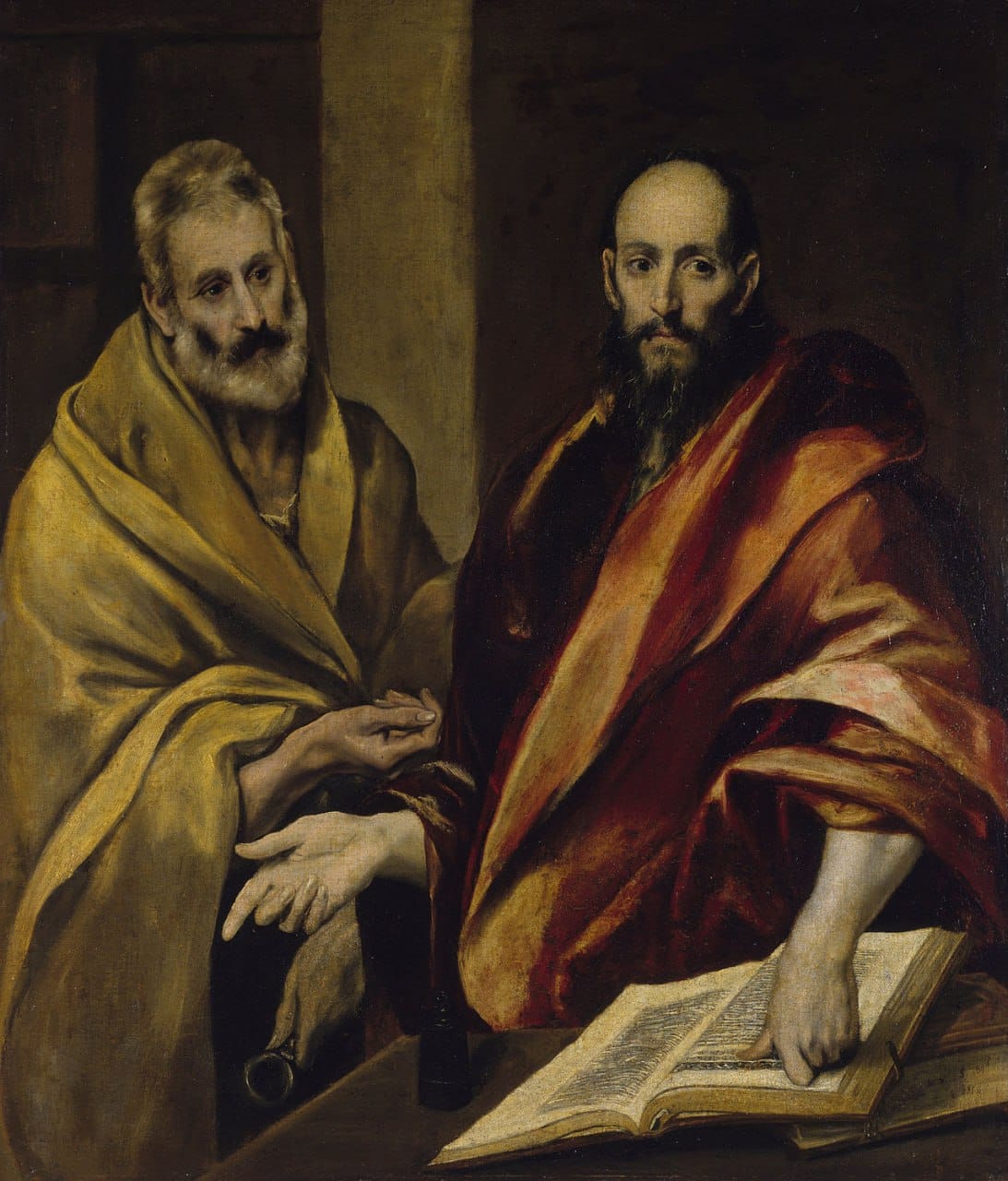
The picture "The Apostles Peter and Paul" was presented to the Hermitage by Pyotr Durnovo, a member of the State Council and a general, in 1911. In Durnovo's collection it was listed as "Saints" by an unknown artist, until the painter Ernst Lipgart suggested that it was by El Greco.
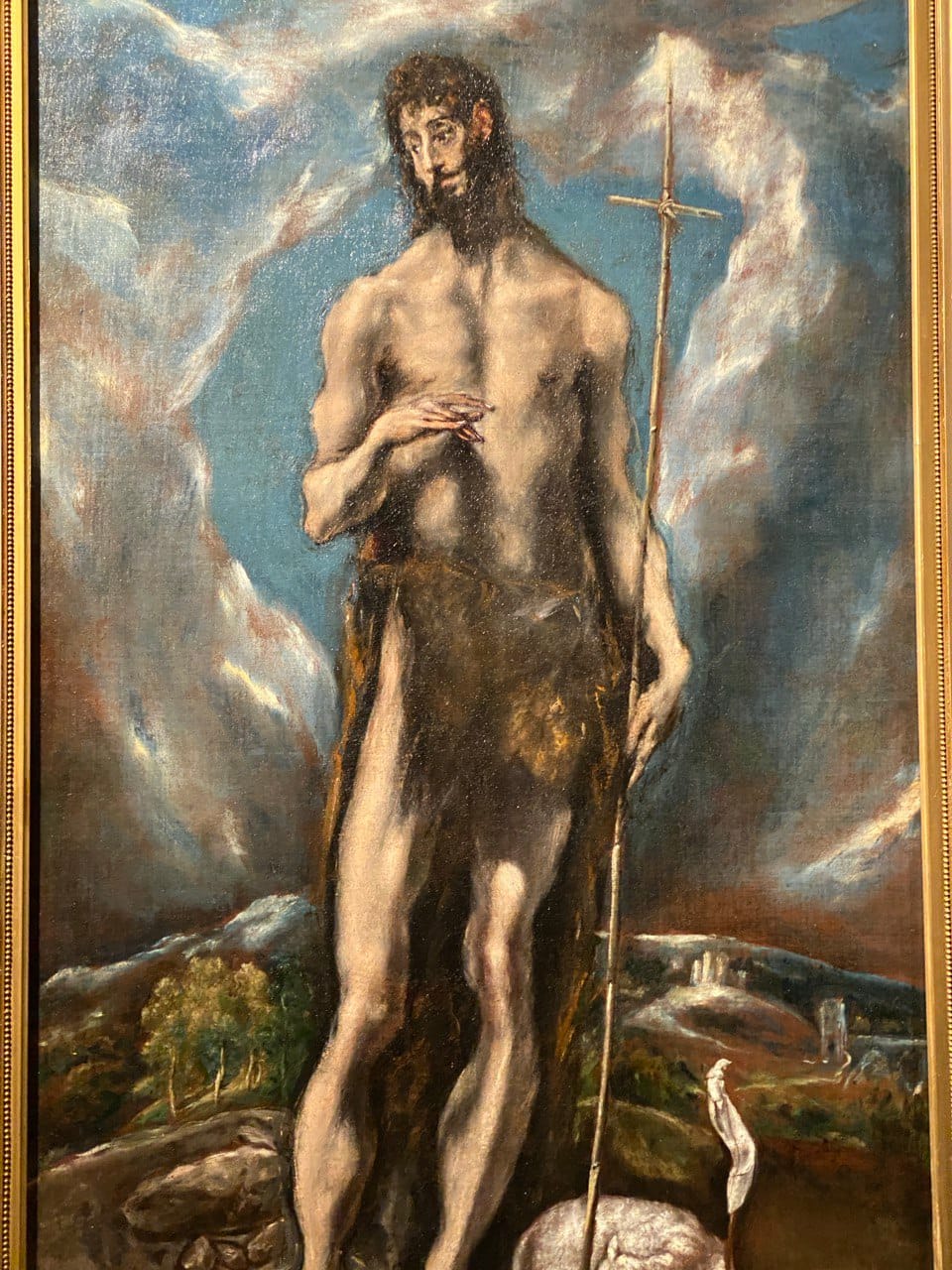
The provenance of the remaining three pictures is bound up with the events of the Second World War. For a long time these pictures were kept in the Special Repository, as items removed from Germany and the occupied territories, and were not accessible to the public. Among them is "John the Baptist" in the Pushkin Museum, whose label for many years gave no date of arrival at the museum. The picture came into the country at the end of the 1940s.
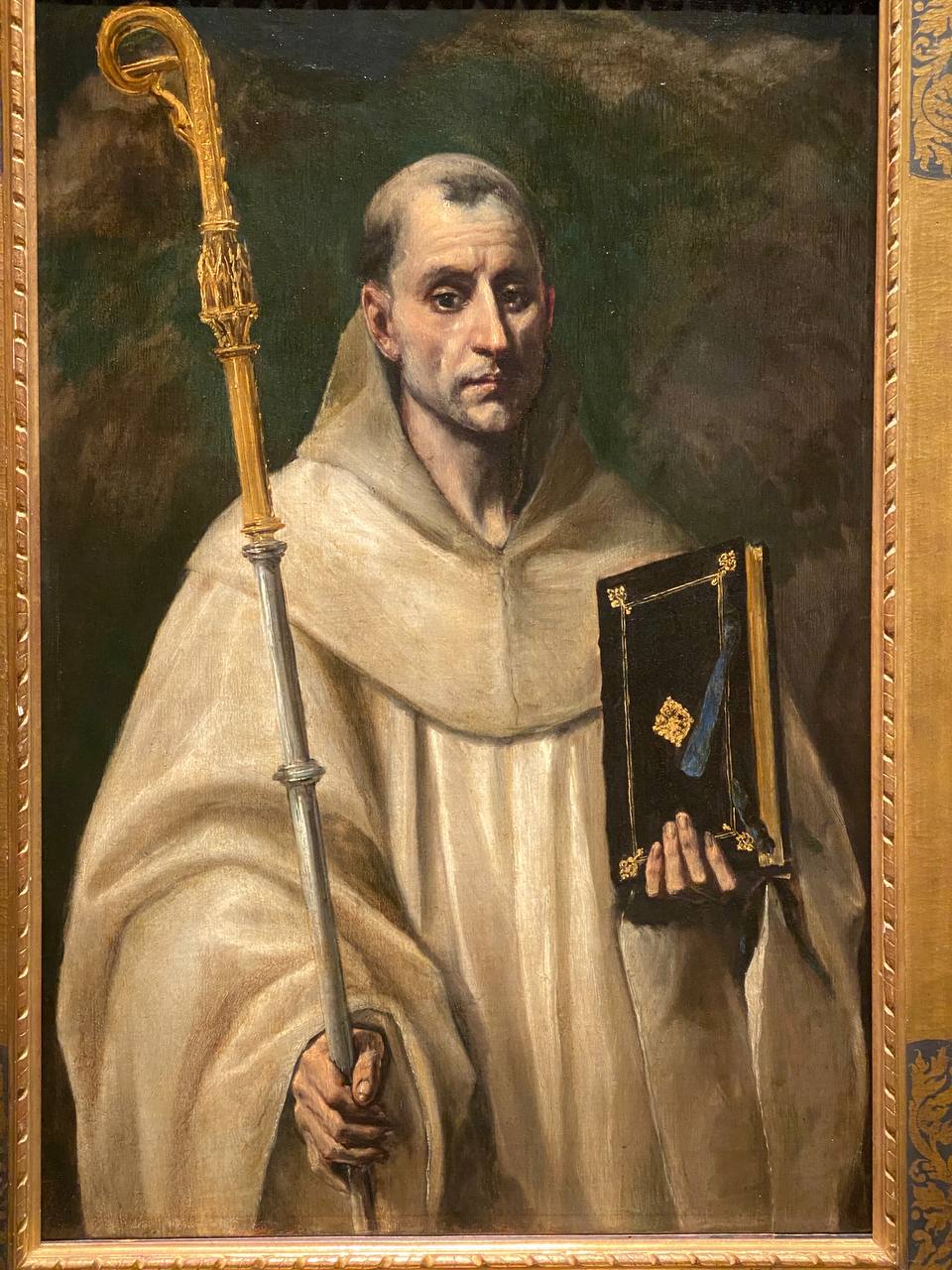
El Greco's "Saint Bernard", now on show in the Hermitage, likewise lay for a long time in storage and, since it figured among Germany's claims, was not exhibited. During the war it was kept in the Berlin picture gallery; in 1945 it was taken from the museum's bunker and sent to the Soviet Union by way of reparations. Until 1995, when it was shown at the exhibition of trophy art, it was considered irretrievably lost.
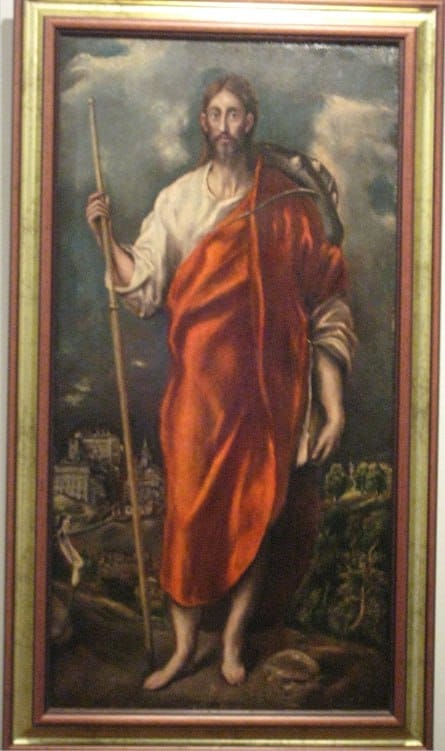
"The Apostle James the Greater" in the Nizhny Novgorod State Art Museum belongs to the so-called Hungarian collection. This El Greco comes from the collection of Baron André Herzog de Cseté; his heiress has in our own day tried, without success, to establish through the Russian courts her rights to 17 canvases that ended up in Russia. In 1945 the 49th Army of the 2nd Belorussian Front discovered at the railway station of the town of Rheinsberg an abandoned wagon with 143 pictures and took it to the Gorky Military District; a few years later the pictures were presented to the Gorky Museum, where the canvases were kept in the Special Repository.