The first documented case of sucking up to a teacher was preserved for us by Sumerian literature
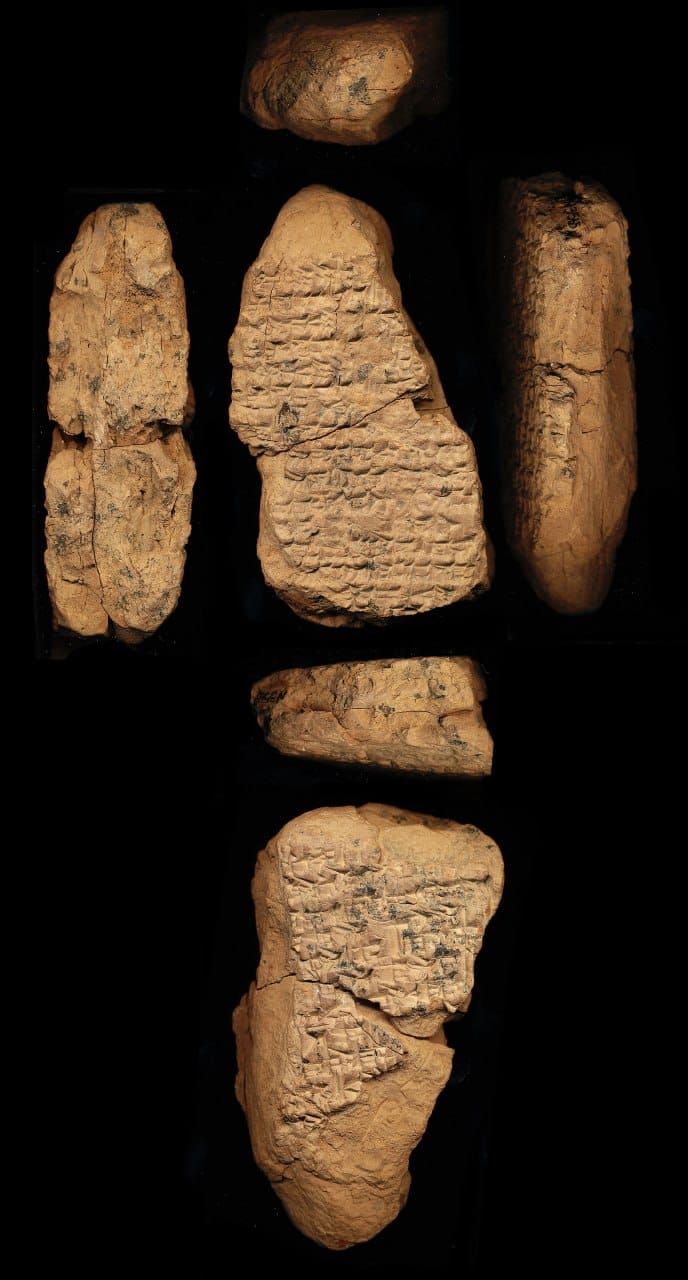
The first documented case of sucking up to a teacher was preserved for us by Sumerian literature. It is probably one of the most popular texts in Sumerian: a poem about a negligent pupil, written around 2000 BC by an unknown teacher.
The poem was called "Schooldays".
The plot is simple enough, and not so much modern as eternal. A boy goes every day to the wretched edubba, the "tablet house", where children are taught cuneiform. Every day he is beaten with a cane: for being late, for poor handwriting, for getting up without permission, for talking, for going out of the courtyard. He is beaten by the monitor, by the drawing master, by the Sumerian master, by the doorkeeper.
The boy falls into despair and even wants to give up his studies, but instead devises a solution and proposes it to his father. The father invites the teacher to dinner, seats him in the place of honour, feeds him, gives him drink, dresses him in new clothes and presents him with a ring. The teacher, having received such weighty tokens of respect, at once declares the pupil the best in the class and promises him a brilliant future. Whether the pupil actually took himself in hand, however, the author does not say.
Samuel Noah Kramer deciphered the full text of the poem in 1949. The poem, as we would say today, became part of the school curriculum: it was read aloud, copied out and learnt by heart. Probably not as a warning against the evils of bribery, but as a manual on how public institutions function. To be considered the best you need not be the best; it is enough to have connections and to grease the right palm at the right moment. In four thousand years the essence of so-called meritocratic systems has not changed.