The Women's March on Versailles in 1789 over bread shortages and high prices
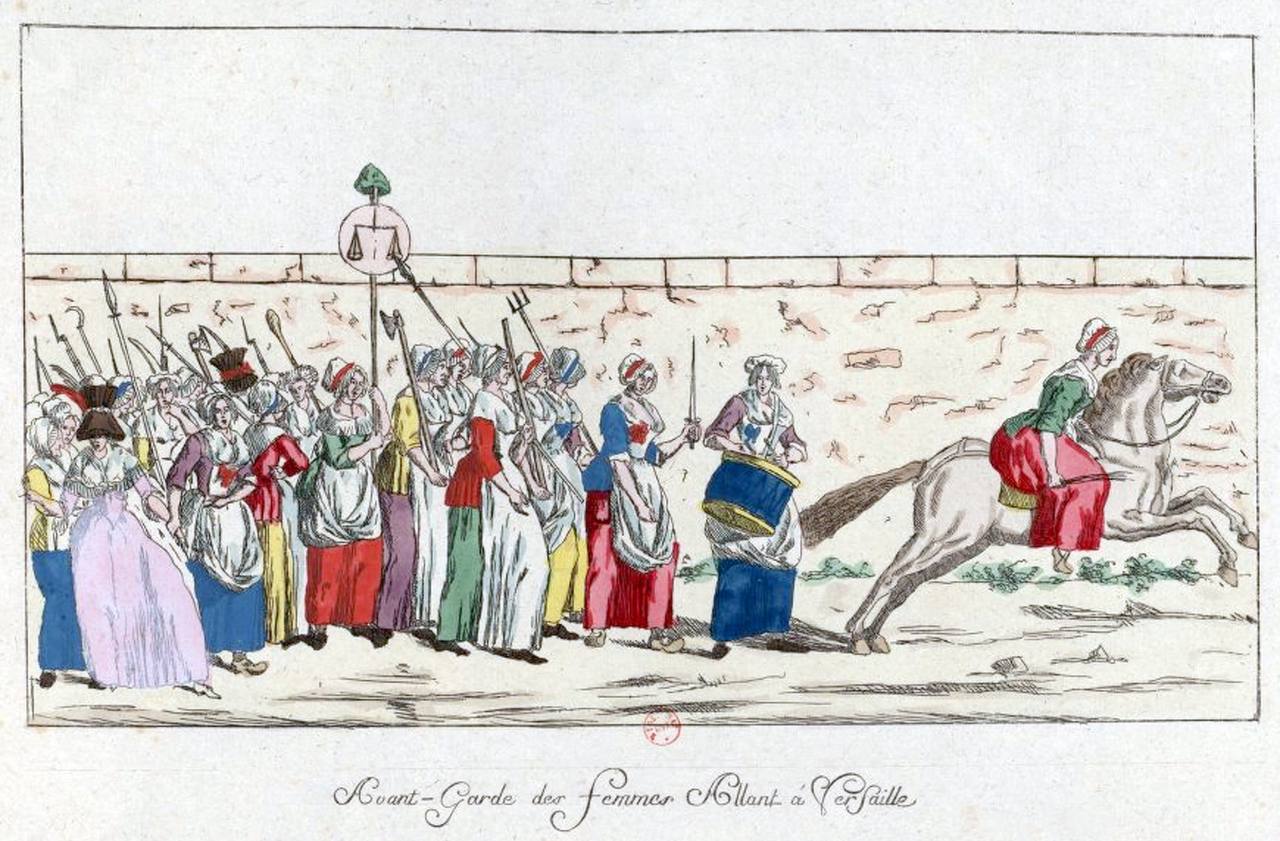
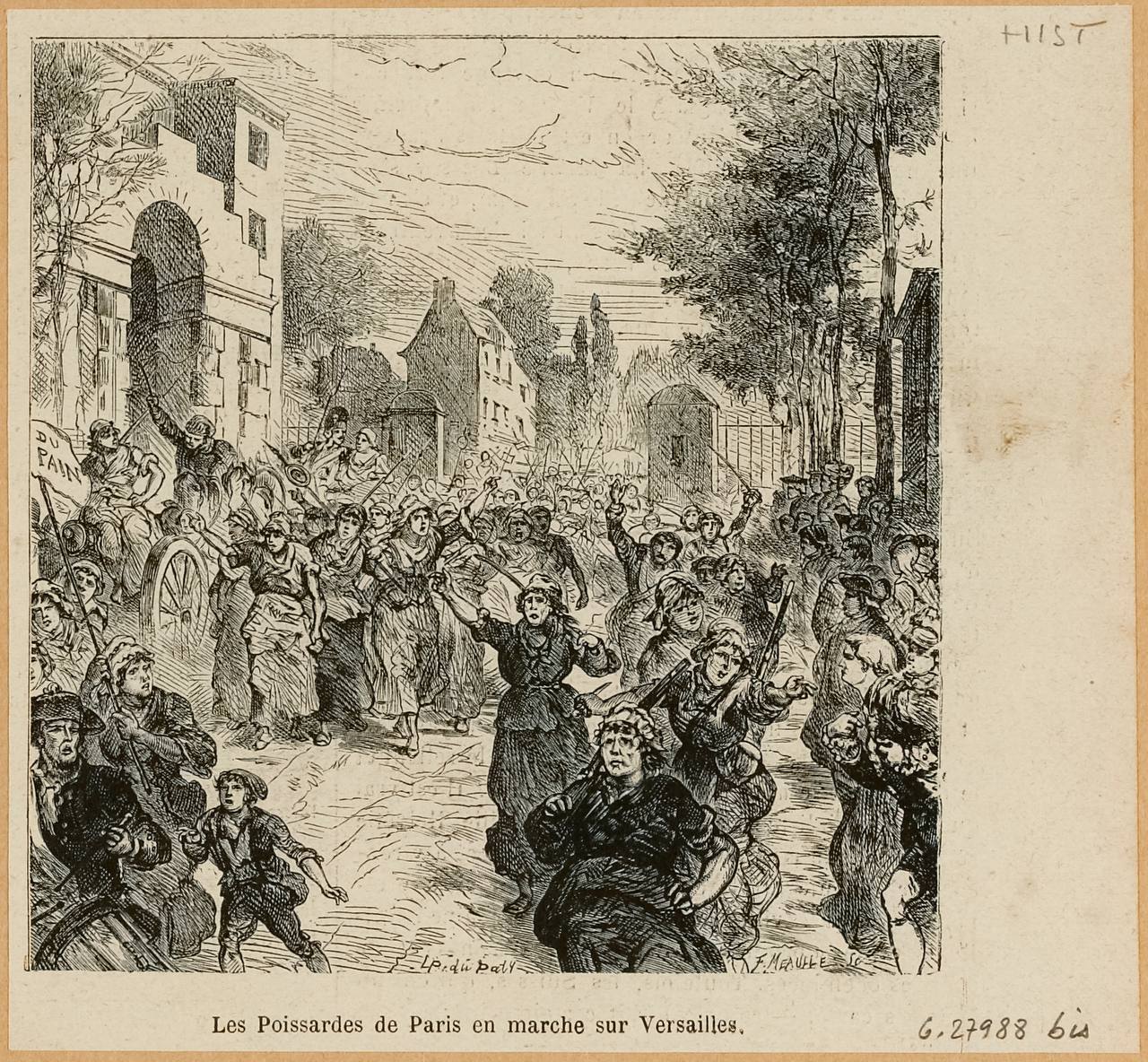
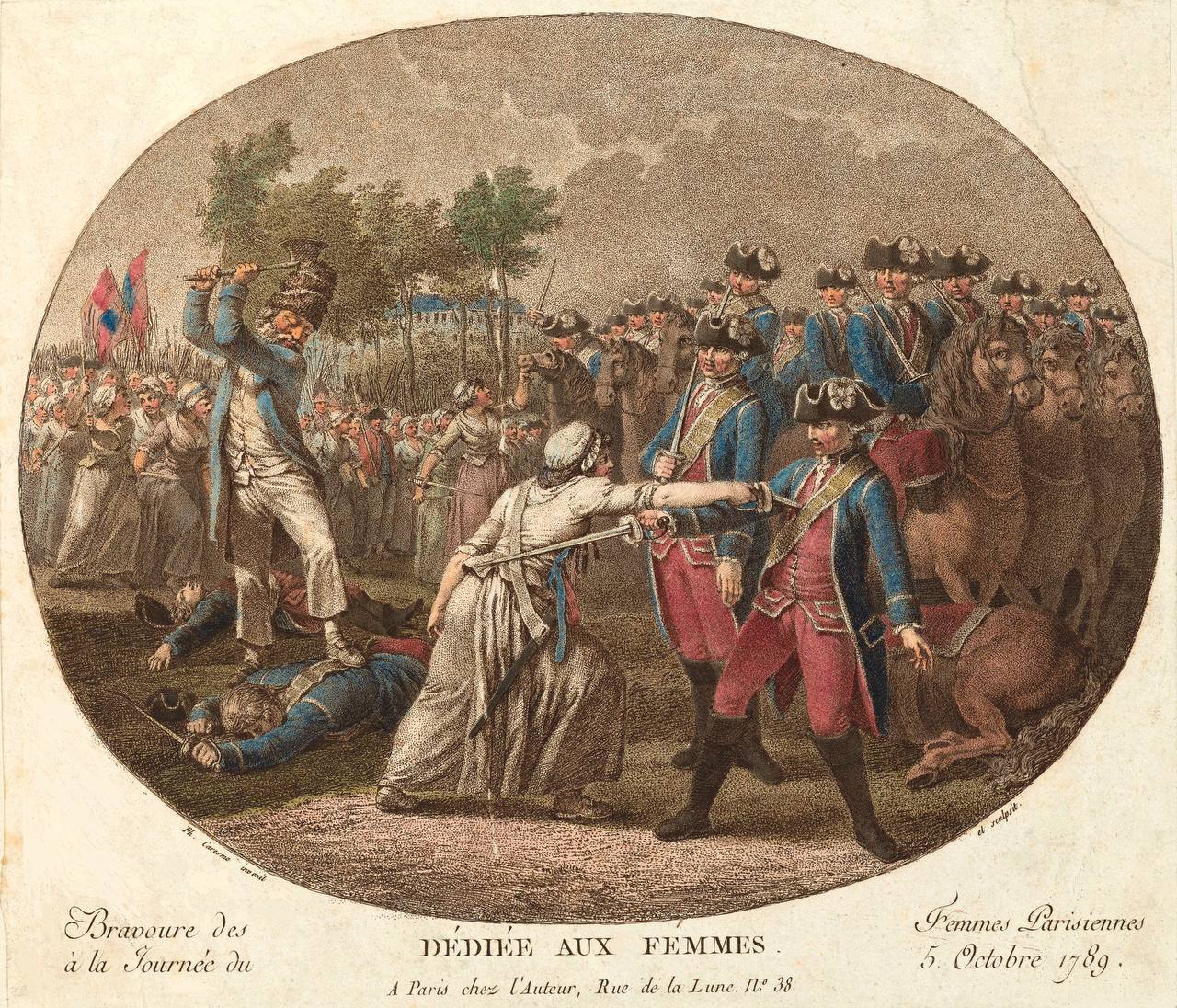
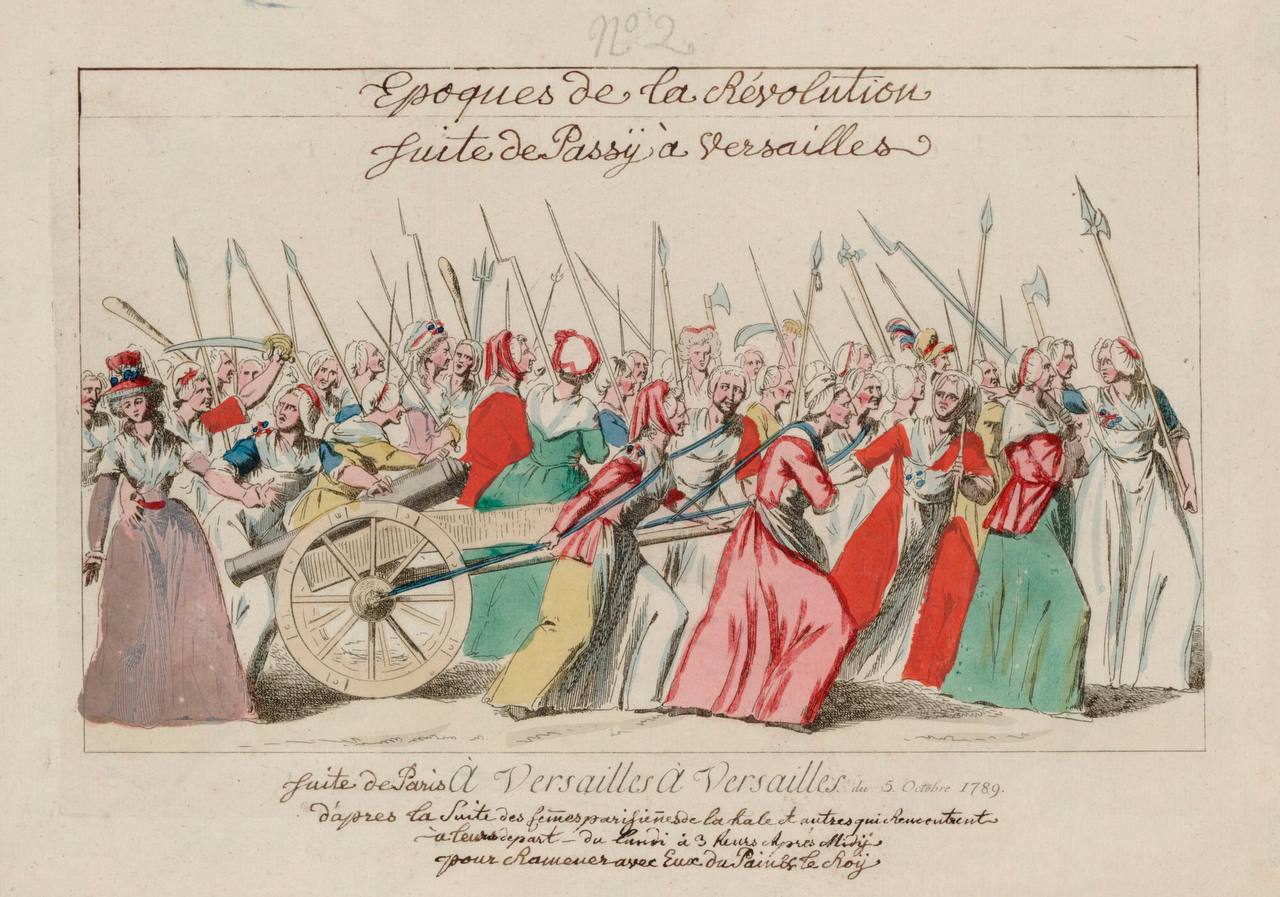
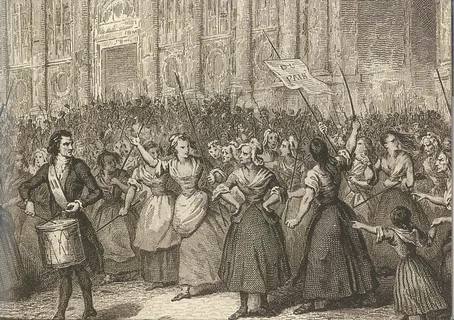
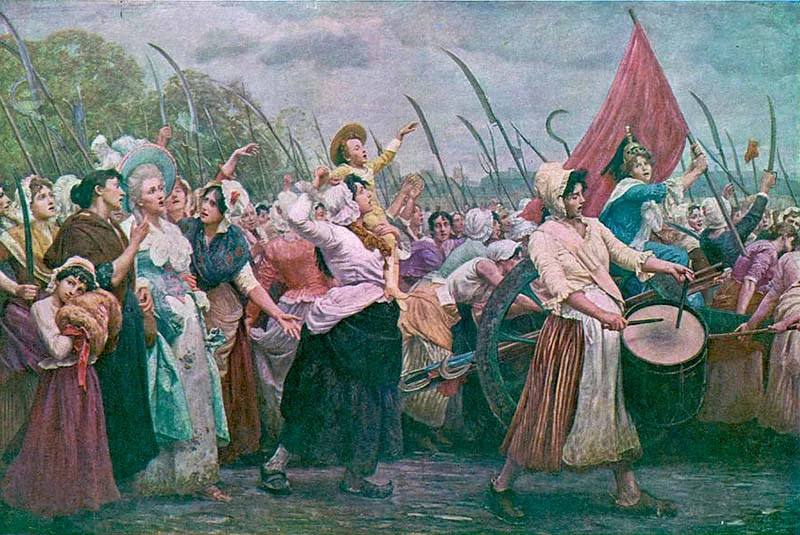
The Women of Paris Go to Call on the King at Versailles, 5 October 1789.
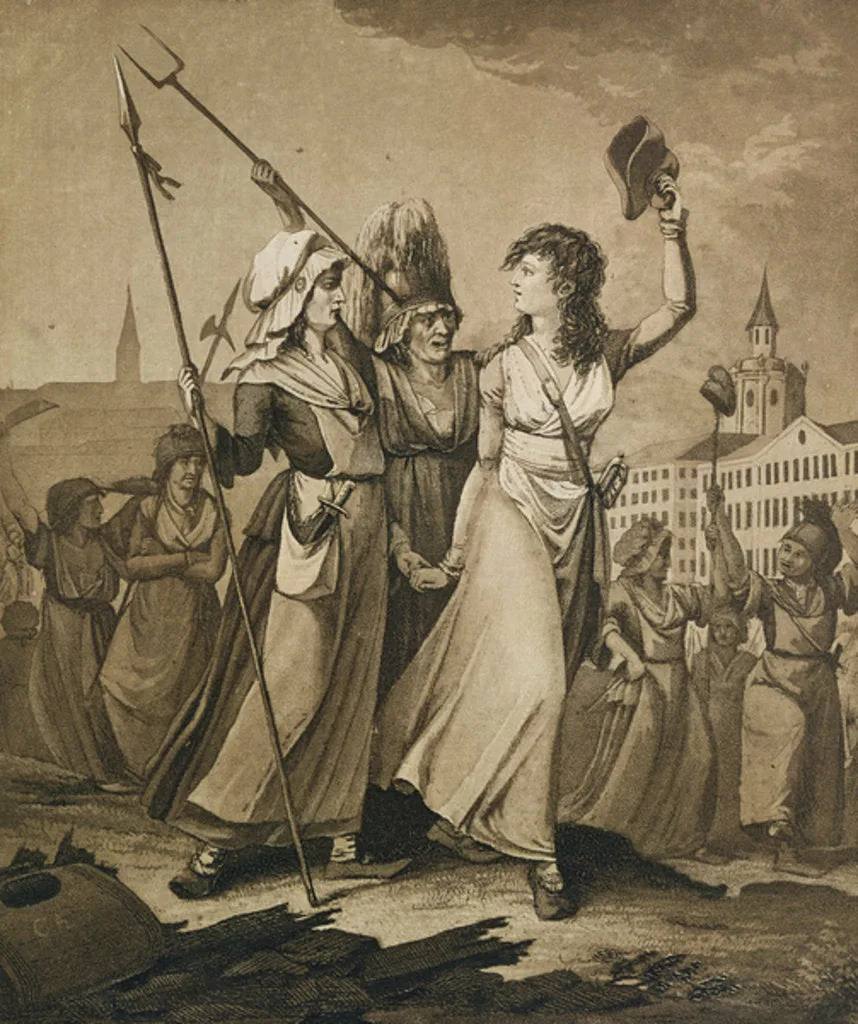
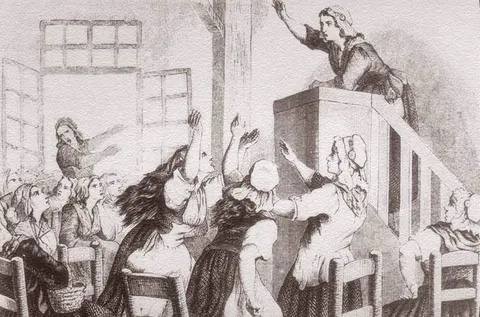
It was the March of the Women on Versailles, or the march of the women for bread, 234 years ago, that became one of the key turning points of the French Revolution. The women of Paris, discontented with the price of foodstuffs and the shortage of provisions, chiefly of bread, armed themselves and set off for the royal palace at Versailles to demand change, or perhaps to invite the king to Paris, where poverty and hunger had taken up residence, and with the king the aristocrats, in whose wake capital and a surge of prosperity might be expected to follow.
It is known that in the harvest year of 1789 there was not enough bread in Paris owing to difficulties in delivering flour; people stood in queues, prices rose, many could not afford even the barest necessities as it was, and the departure of the nobles from the city swelled the ranks of the hungry with their numerous servants, left without work.
In fact the food crisis had begun earlier, as far back as 1776, and had already lasted more than ten years, but the poor, accustomed to making do on bread and water, were for the first time in all those years left without any bread at all. A radical decision followed. Men from the suburbs joined the crowds of women, a store of munitions was promptly seized, and after that very little remained to be done: the old regime did not merely shudder, it collapsed