The abdication of Queen Margrethe II, the first such case in 500 years of Danish monarchy
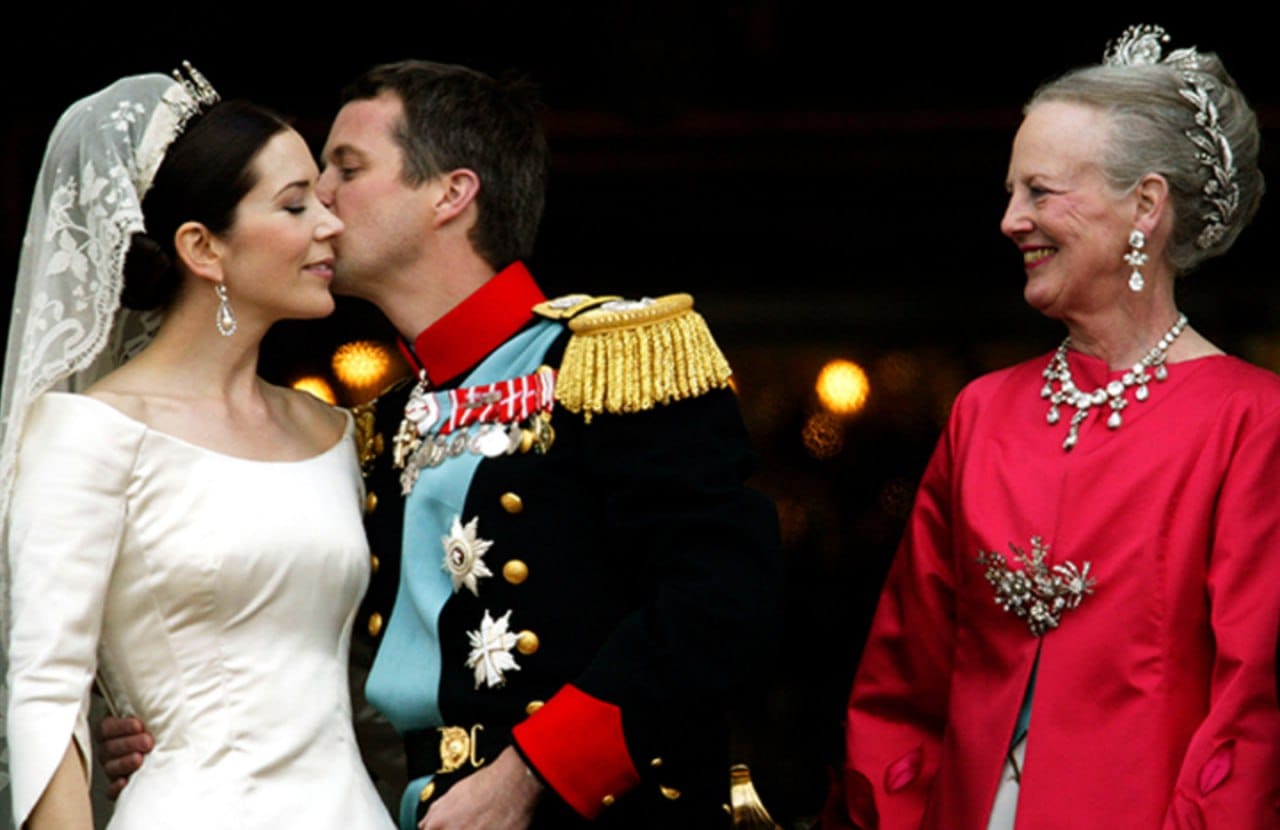
The abdication of Queen Margrethe II is the first such case in 500 years of Danish monarchy. What, then, has made Margrethe go now? Health problems? She recently underwent an operation on her back, but is feeling better. A reluctance to keep her son waiting in the position of heir until his extreme old age, as happened with Prince Charles? But in 2016 the Queen denied any possibility of abdication, saying: “It has always been so: one stays on while one lives. So my father thought, and his predecessors. So it will be with me.”
An intriguing version links the Queen's departure with the recent publicity given to the crown prince's possible romance with the Mexican society lady Genoveva Casanova, photographs of the prince in whose company have done the rounds of every tabloid.
In that case, the handing over of the crown to the 55-year-old Prince Frederik may prove a calculated strategy aimed at saving his marriage. The 51-year-old Crown Princess Mary, a plain Australian whom the prince, a man with a reputation as a playboy, met in a Sydney bar during the 2000 Olympic Games, enjoys enormous popularity among the people, almost as great as that of Queen Margrethe herself, which cannot fail to be a pledge of the nation's approval of the monarchy's existence.
When, in a few weeks, the prince becomes King of Denmark, his marriage will undoubtedly move to a new level, and together with the new responsibility it may yet be preserved in a new capacity. And if Margrethe has decided in this way to preserve the family of her son and her beloved daughter-in-law, then it is a worthy sacrifice for the sake of the institutions of the family and the monarchy.