Around AD 98, Tacitus writes in the «Germania» that the Baltic Aestii gather amber in the shallows, make no use of it themselves, sell it raw to Roman merchants, and are amazed at the price
The typical Roman view of neighbours as barbarians, mere suppliers of raw material, is being demolished by archaeological finds.
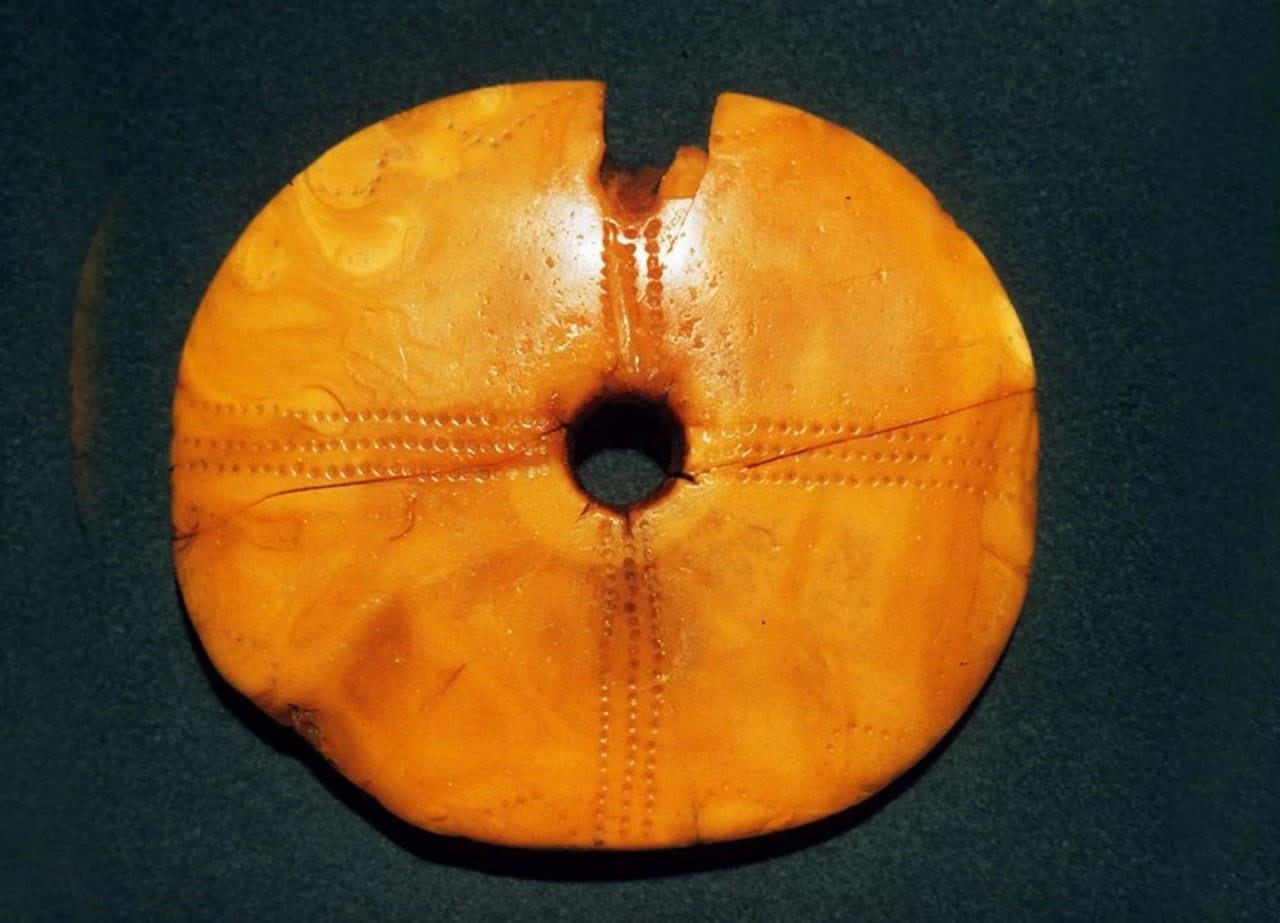
Archaeologists from the University of Warsaw have found ten amber workshops in five settlements in Masovia, one of them holding more than twenty thousand fragments of raw material dating from the 3rd and 4th centuries. Masovia is a historical region in east-central Poland, some three hundred kilometres from the Baltic. Judging by the evidence, amber brought here from the Baltic coast was put into serial production of beads, pendants and other ornaments.
Adam Cieśliński, who led the excavations, has called Masovia the largest amber centre outside the Roman Empire. It turns out that the «barbarians» had an industry of their own, with a division of operations and stable logistics.
Archaeologists, however, are forever making new discoveries connected with amber in Poland. Gdańsk, on the Baltic, is called the world capital of amber: more than two thousand traces of workshops have been found around the city, the oldest of them six thousand years old. From here, too, ran the famous Amber Road to the Adriatic, to Aquileia. In Roman times workshops were also active in Kuyavia, but what makes the Masovian discovery interesting is that it lies deep inland and is at once on an industrial scale.