Despite the sudden loss of 1.6 million bee colonies in a mass die-off across the US in a single year, the Trump administration plans to close the USDA's leading bee research laboratory
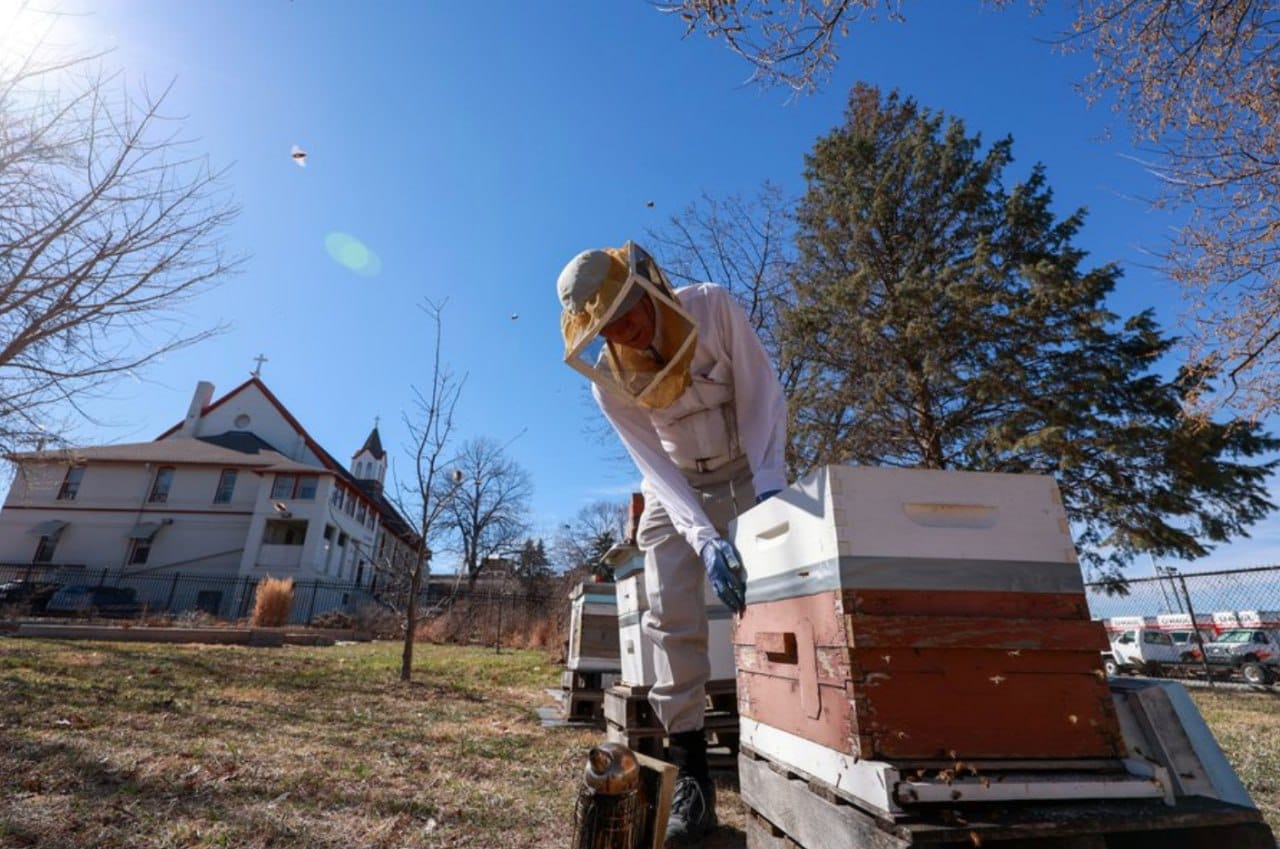
Between June 2024 and March 2025, 1.6 million bee colonies died in the United States. It is the largest single die-off in the country's history. Many beekeepers lost between 60 and 80% of their hives, and some lost 9 of 12 colonies in a single winter.
The cause was established by scientists at the Department of Agriculture laboratory in Beltsville, Maryland, the country's oldest and foremost bee research centre, founded as far back as 1891. The culprit is viruses spread by varroa mites, and the mites turned out to be resistant to the only effective acaricide. This means that the arsenal of defence has effectively been exhausted and fundamentally new solutions are needed.
Bees pollinate more than 90 crops, from almonds and apples to melons and pumpkins, sustaining a food market worth 15-18 billion dollars a year.
Against this background, it sounds odd that the Trump administration has announced the closure of the Beltsville centre. The official wording is "underused, redundant, plagued by waste and decades of poor management". Among researchers there is another version: 6,500 acres of land just beyond the Washington Beltway are worth a fabulous sum if put up for development. The experience and expertise accumulated at Beltsville over 130 years will not move along with the laboratory. The scientists who spent their careers there will simply leave.
Einstein is credited with the remark that once the bees disappear, mankind will have four years left. He never said it, but that does not make the problem with the bees any less real.
As for shutting down laboratories and confiscating land in the interests of developers, we have been through this before, in another well-known state. As for the remark about mites, it plays interestingly alongside the mentions of humanity's chief villain, Bill Gates, who suddenly patented a vaccine against Lyme disease, which is transmitted by tick bites, and who has been suspected of spreading infected populations. Who knows, perhaps our ginger friend has had a hand in the bees as well?