A sanctuary of Odysseus has been discovered on the island of Ithaca, containing a multitude of votive offerings to the legendary Homeric hero from every corner of the Greek world, reports ArkeoNews
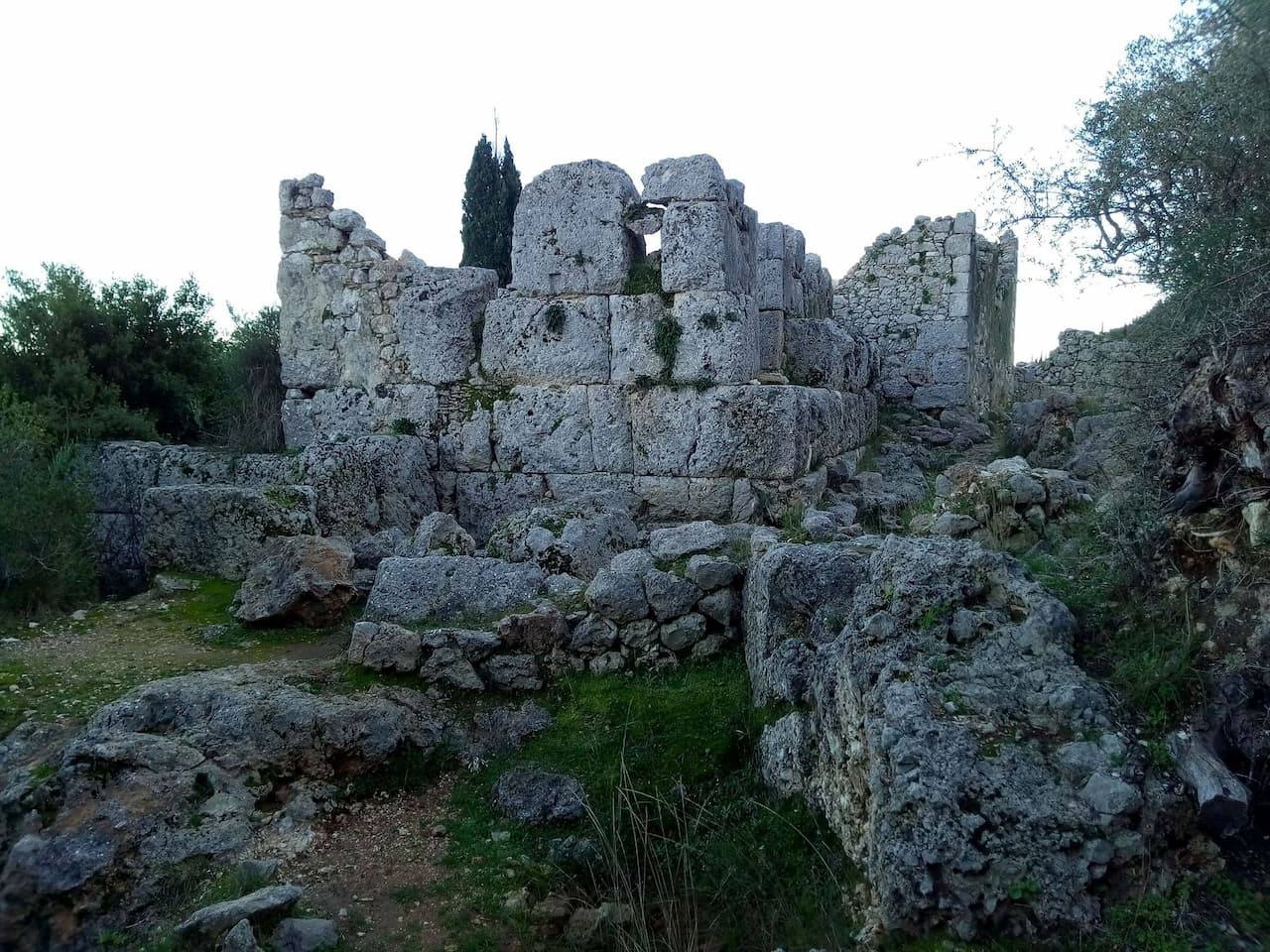
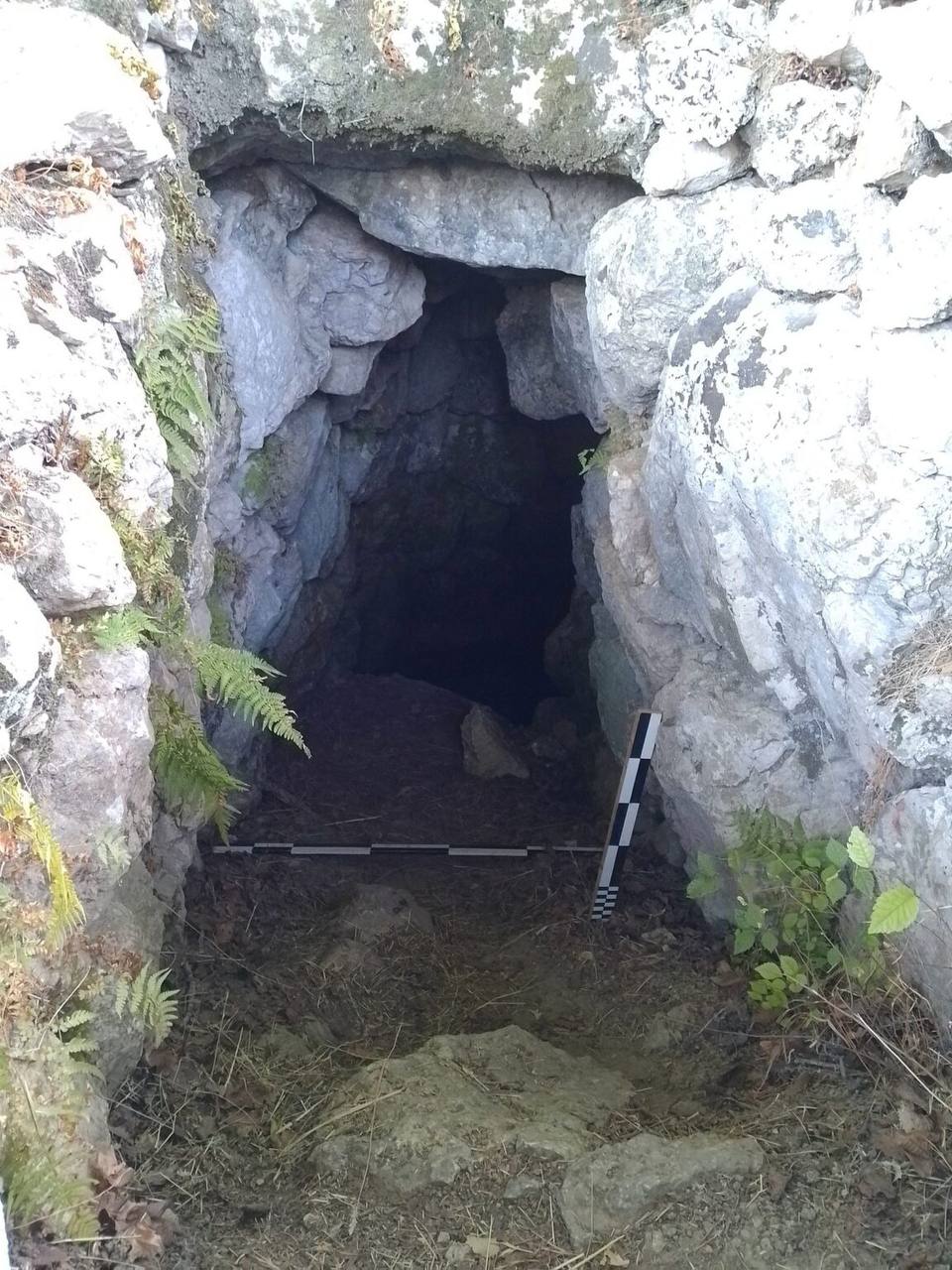
A sanctuary of Odysseus has been discovered on the island of Ithaca, containing a multitude of votive offerings to the legendary Homeric hero from every corner of the Greek world, reports ArkeoNews. It was, in fact, the accumulation of ritual figurines of Odysseus and other votive objects that led scholars to conclude that for several centuries the site had served as a sanctuary of Odysseus. It stood within a fairly large Mycenaean structure of the 13th to 14th centuries BC. The find confirms that the ancient Greeks associated the island of Ithaca with the figure of Odysseus, who ruled there according to Homer's text.
Odysseus was indeed venerated in ancient Greece as something more than a mere hero: he had a cult of his own, and sanctuaries of this kind were one of the forms of worship paid to him. Ceramic vessels of the Archaic period bearing his image and name had already been found in considerable numbers, but never before has their location corresponded so convincingly to Homer's text.
One should not, however, imagine that Odysseus was regarded as a deity in the traditional sense, as, for instance, his patroness Athena was. He was seen as a representative of the "heroic age", worthy of honours close to religious ritual, including worship at the places of his supposed exploits, his dwelling or his burial.
The recent excavations were carried out in the area of Agios Athanasios. Particular interest among the archaeologists was aroused by Hellenistic inscriptions bearing the name of Odysseus, a bronze bust, ritual offerings and coins. The discovery may make it possible, for the first time, to link the myth of Odysseus' wanderings so closely with a real archaeological site.
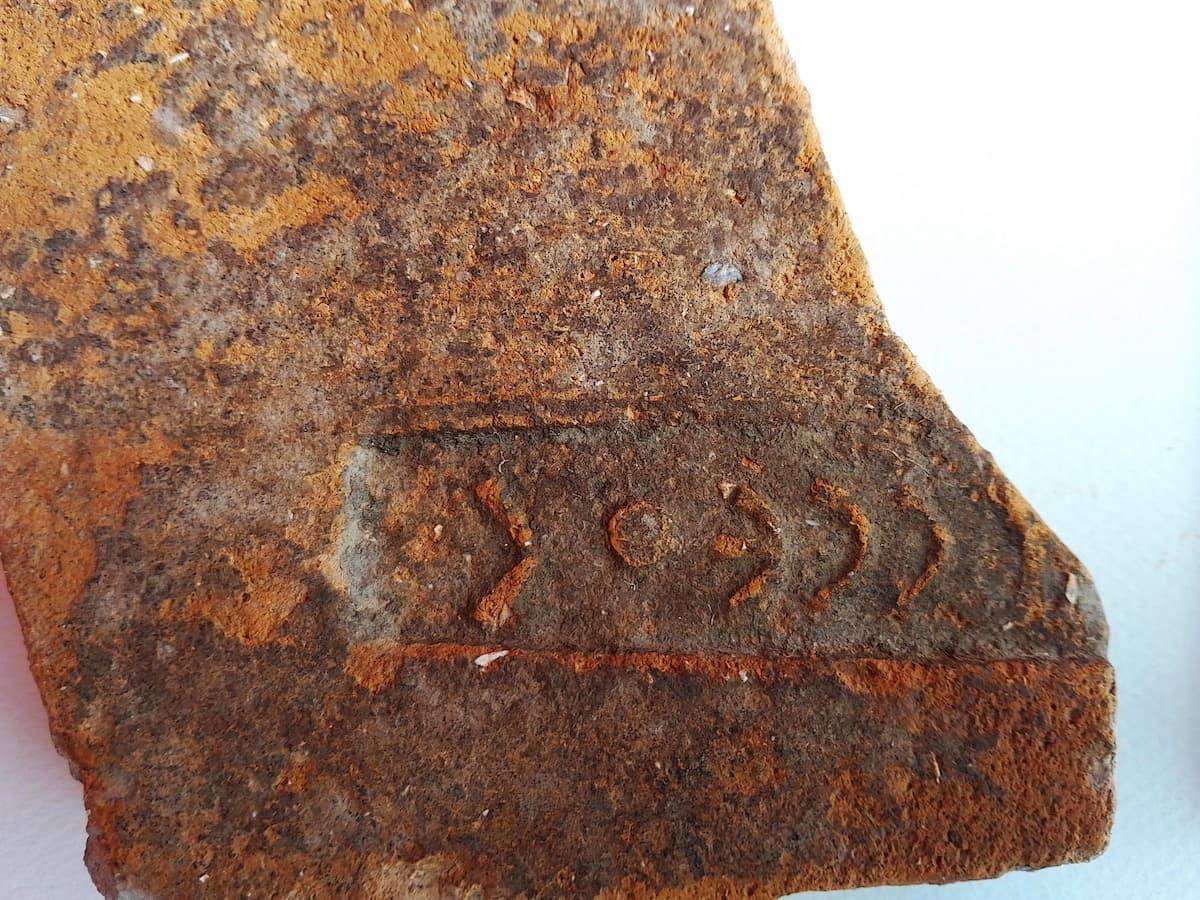
As for the Palace of Odysseus, discovered in the same place on Ithaca in 2010, the ruins of a three-level building with a staircase cut into the rock and a well of the 13th century BC, the era of the supposed Trojan War, it remains a hypothetical monument tied to a legendary name, and certain disagreements surround it. The question, for example, is still open whether the Ithaca of the Homeric epics corresponds unambiguously to the modern Ithaca. The present sanctuary, by contrast, with its cult terraces, staircases and niches for sacrifices, with the inscriptions bearing the name of Odysseus (ΟΔΥCCEOC and ΟΔΥCCEI) found on it, together with other finds in the same area and, in Polis Bay cave, inscriptions such as "prayer to Odysseus" and votive offerings of clay fragments and bronze images of the hero, bears ever more convincing witness to a stable, centuries-long veneration of Odysseus by pilgrims from across the Aegean region, precisely here, on the island of Ithaca