“My father and his friends found a way to express themselves through the press
“My father and his friends found a way to express themselves through the press. The families of my classmates did not understand this: in their eyes, I was not fit company.”
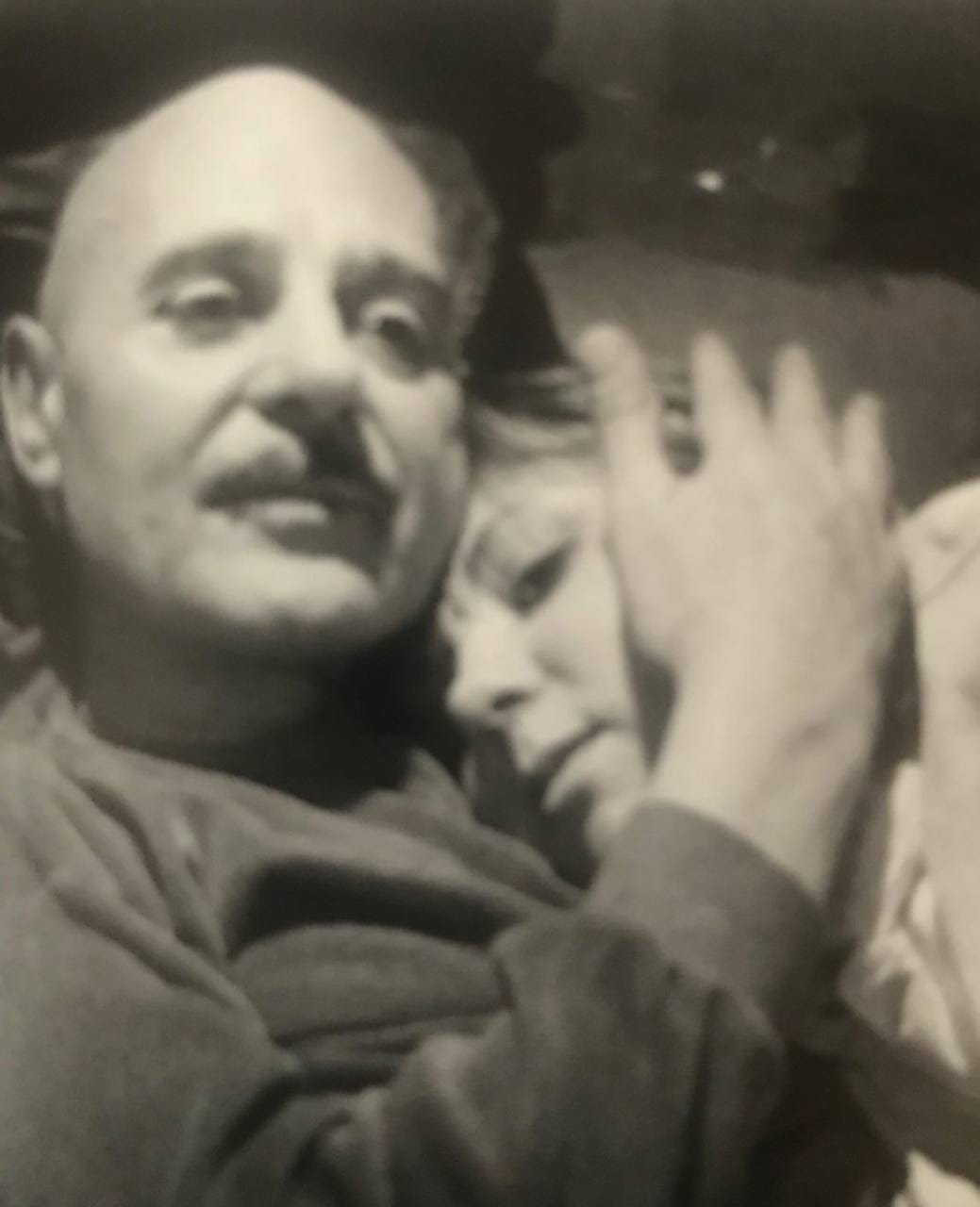
The French actress Michèle Bernier, daughter of Professor Choron, the founder of the magazines Hara-Kiri and Charlie Hebdo, says that her father's notoriety hit her hard as a child: the parents of her classmates forbade their children to associate with her.
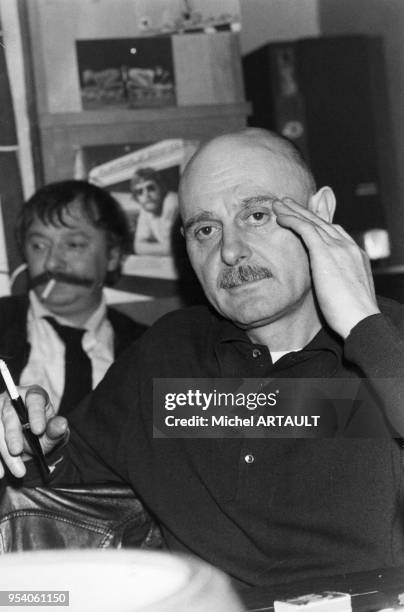
The humorist Georges Bernier, who became famous under the name of Professor Choron, created the magazine Hara-Kiri in 1960; a little later it turned into Hara-Kiri Hebdo, or L'Hebdo Hara-Kiri. In time Bernier and his friends Jean Cabu, Reiser and Georges Wolinski acquired several similar humorous publications, comics among them, including Charlie Hebdo, which appeared in 1970. Bernier described his humour as “stupid and nasty”; in his shows he tied babies to a windmill and smashed a television set over the head of Catherine Langeais.
Professor Choron borrowed his stage name from one of the streets of the district, Rue Choron, where the headquarters of the satirical paper Hara-Kiri was located until the 1960s.
“At home he was nothing like that. My father adored me. There was Georges Bernier and there was the character of Professor Choron, but people thought they were one and the same. My uncles, Reiser, Cabu, Wolinski, were perfectly kind. They needed to break the codes, and to do so they sometimes had to go far, but mostly it simply made them laugh. At one point my father had trouble renting a flat, because people said to themselves: we'll have naked women on the staircase, it will be dreadful.”
Professor Choron died in 2005, ten years before the attack on his editorial office. But Michèle Bernier could not remain indifferent when she learned of the terrorist attack on the magazine of which her father had been a co-founder, and whose other editors had over the years become almost members of her family:
“I was stunned when I learned that Cabu and Wolinski were dead. How can people be killed like that? I have seen trials, bans on newspapers, threatening letters, feminists shouting at the door, but people are not killed! It was brutal and agonising, because it cost money, but to find oneself in a bloodbath... It is unbearable.”